
Fees up and quad bikes in: New plans for NSW national parks
Sydney Morning Herald
by Caitlin FitzsimmonsFebruary 24, 2026
AI-Generated Deep Dive Summary
NSW national parks are set to undergo significant changes with new plans that could allow commercial motorbike tours and quad biking in hundreds of parks across the state. These proposals, revealed in an updated government document, have sparked controversy over their potential impact on public access and environmental sustainability. While the government has indicated that the revenue generated from these activities would be modest, critics argue that allowing private operators to charge fees for accessing public land could limit affordability and hinder broader community engagement with nature.
The debate centers around the supported camping proposal, which would permit private companies to offer services like prebooked tents and campervans. Environment Minister Penny Sharpe has declined to cap the prices these operators can charge, citing it as "hypothetical" during budget estimates. This decision has drawn criticism from environmental groups and opposition members, who worry that for-profit operations could lead to excessive fees and restrict public access to park facilities. The National Parks Association expressed disappointment over the lack of focus on affordability, emphasizing the importance of ensuring that camping experiences remain accessible and environmentally sustainable.
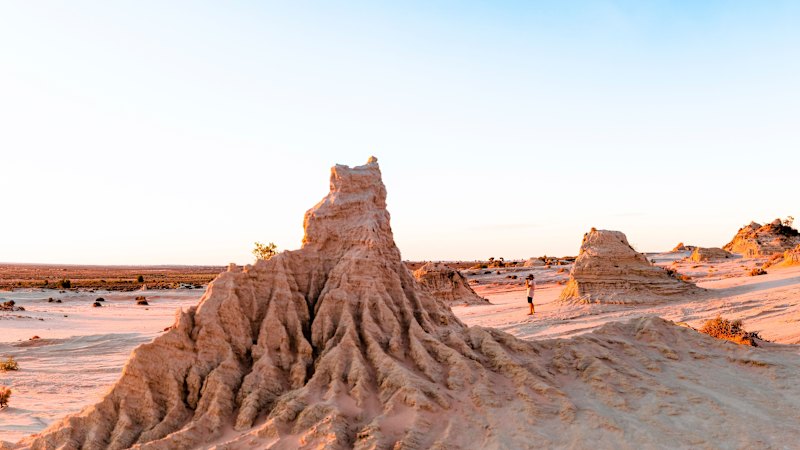
The updated Eco Pass licensing system outlines where commercial motorbike tours and quad biking activities would be permitted. Currently, 256 locations across NSW national parks, including Mungo National Park and Dorrigo National Park, are listed as potential sites for such activities. Another 72 locations could allow quad biking. However, environmentalists have raised concerns about the appropriateness of these activities in certain areas, such as Bents Basin in south-west Sydney, where quad biking is considered unsuitable.
Critics argue that national parks play a vital role in promoting health and wellbeing, and their accessibility should not be compromised by commercial interests. The government has also announced a review of the fee structure and booking system for NPWS-managed campsites, signaling potential changes to how public land is accessed and utilized. Environmental groups and stakeholders are calling for stricter regulations to ensure that national parks remain a shared resource for all Australians to enjoy.
This issue highlights the delicate balance between promoting commercial activities and preserving the natural environment for public use. As NSW continues to grapple with these plans, the debate over fees, accessibility, and land use will likely intensify, with implications for both conservation efforts and community access to outdoor spaces.
Verticals
worldaustralia
Originally published on Sydney Morning Herald on 2/24/2026