
‘For 47 years, they’ve been talking and talking’: US eyes expanded Iran strikes
South China Morning Post
by ReutersFebruary 15, 2026
AI-Generated Deep Dive Summary
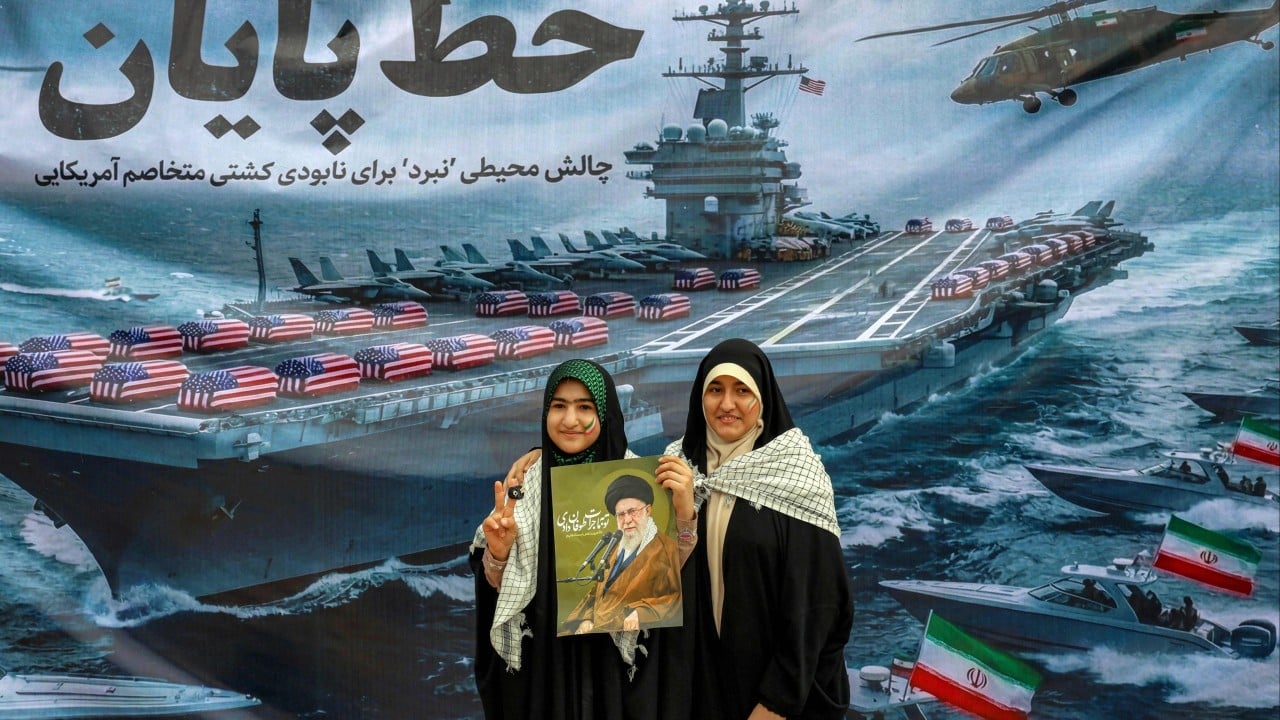
The US is escalating its military preparedness in the Middle East, potentially leading to sustained weeks-long operations against Iran if President Trump authorizes an attack. This development signals a significant escalation in US-Iran tensions, which could surpass previous conflicts in severity. The plans come ahead of crucial diplomatic talks between US envoys Steve Witkoff and Jared Kushner, mediated by Oman, set to take place in Geneva. These discussions aim to resolve the ongoing tensions, but with both sides showing cautious optimism.
US Secretary of State Marco Rubio emphasized that while reaching a deal with Iran is Trump's preference, it remains challenging. The military build-up includes dispatching an additional aircraft carrier, bolstering troops, and deploying advanced naval and aerial forces. This move raises fears of imminent military action, as Trump has floated the idea of regime change in Iran, though he hasn't specified who might lead the country post-overthrow.
Trump's skepticism about ground operations suggests that any US intervention would likely involve air and naval strikes. He has repeatedly criticized past attempts to engage Iran through dialogue, famously remarking, "For 47 years, they’ve been talking and talking," indicating a shift toward more decisive action. This potential escalation has significant implications for regional stability, with concerns about broader conflicts in the Middle East.
The situation underscores the delicate balance between diplomacy and military confrontation. As both sides prepare for talks in Geneva, the stakes are high, not only for US-Iran relations but also for global security. The outcome could determine whether tensions de-escalate or further escalate into a major conflict, making this a critical moment to watch for anyone interested in international affairs.
This potential escalation highlights the broader implications of US foreign policy decisions on global stability. With Trump's administration showing signs of leaning towards more aggressive measures against Iran, the region—and the world—remain on edge, awaiting developments that could reshape the geopolitical landscape.
Verticals
worldasia
Originally published on South China Morning Post on 2/15/2026