
Freedom Shield rift: South Korea, US at odds over scale of war games
South China Morning Post
by Park Chan-kyongFebruary 24, 2026
AI-Generated Deep Dive Summary
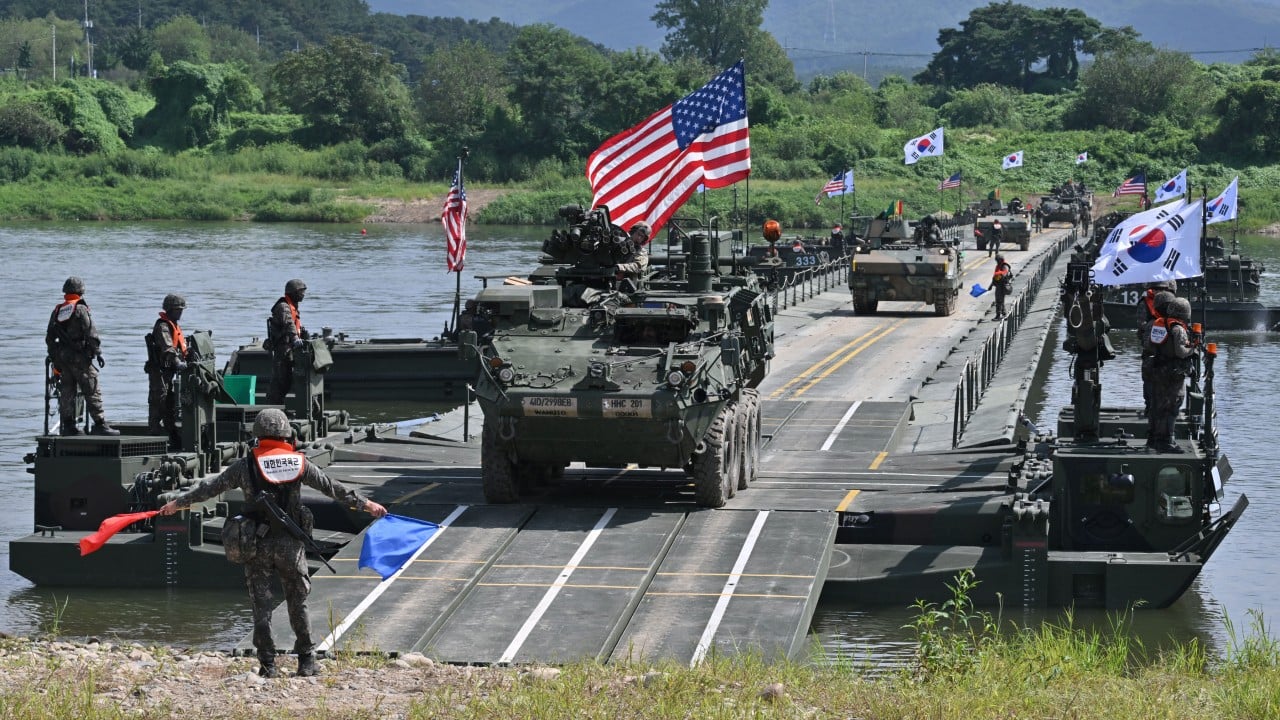
South Korea and the United States are at odds over the scale of their joint military exercises, with Seoul pushing for smaller drills in an effort to open diplomatic channels with North Korea. The Freedom Shield exercise, a significant show of force typically held every spring, has been postponed as both sides struggle to reach an agreement. South Korea proposed scaling back large-scale troop deployments and spreading training across the year rather than concentrating them in a high-profile period. However, US officials are reportedly resistant, citing logistical and financial commitments made a year ago for additional troops and equipment. This disagreement highlights the delicate balance between military preparedness and diplomatic strategy in the region.
The joint military exercises have long been a point of contention with North Korea, which views them as rehearsals for war. South Korea believes that reducing the scale of these drills could create an opening for dialogue with Pyongyang, which has not occurred since 2019. The proposed changes aim to minimize provocation while maintaining defensive capabilities. However, US officials argue that scaling back would undermine the joint effort and the deterrent effect intended by the exercises.
Seoul’s proposal includes paring down troop and equipment deployments, which are particularly provocative for North Korea. Instead of a concentrated period of high-profile training, South Korea is suggesting a more distributed approach to field exercises throughout the year. This shift could reduce tensions while still allowing for coordinated defense planning between the two nations. However, US officials remain steadfast in their stance, as they have already committed significant resources to the current plan.
The situation underscores the challenges of maintaining military cooperation while pursuing diplomatic avenues with North Korea. South Korea’s Defense Minister has emphasized that the exercises will proceed as planned, despite the postponed briefing. The ongoing coordination between the two nations reflects the complexities of balancing strategic goals and operational logistics in a highly sensitive regional context.
This dispute matters to global readers interested in international relations and security dynamics, as it highlights the intricate dance between military strategy
Verticals
worldasia
Originally published on South China Morning Post on 2/24/2026