
From remark to retreat: Why Shivaji Maharaj–Tipu Sultan comparison sparked row - explained
Times of India
by RAJEEV SINGHFebruary 19, 2026
AI-Generated Deep Dive Summary
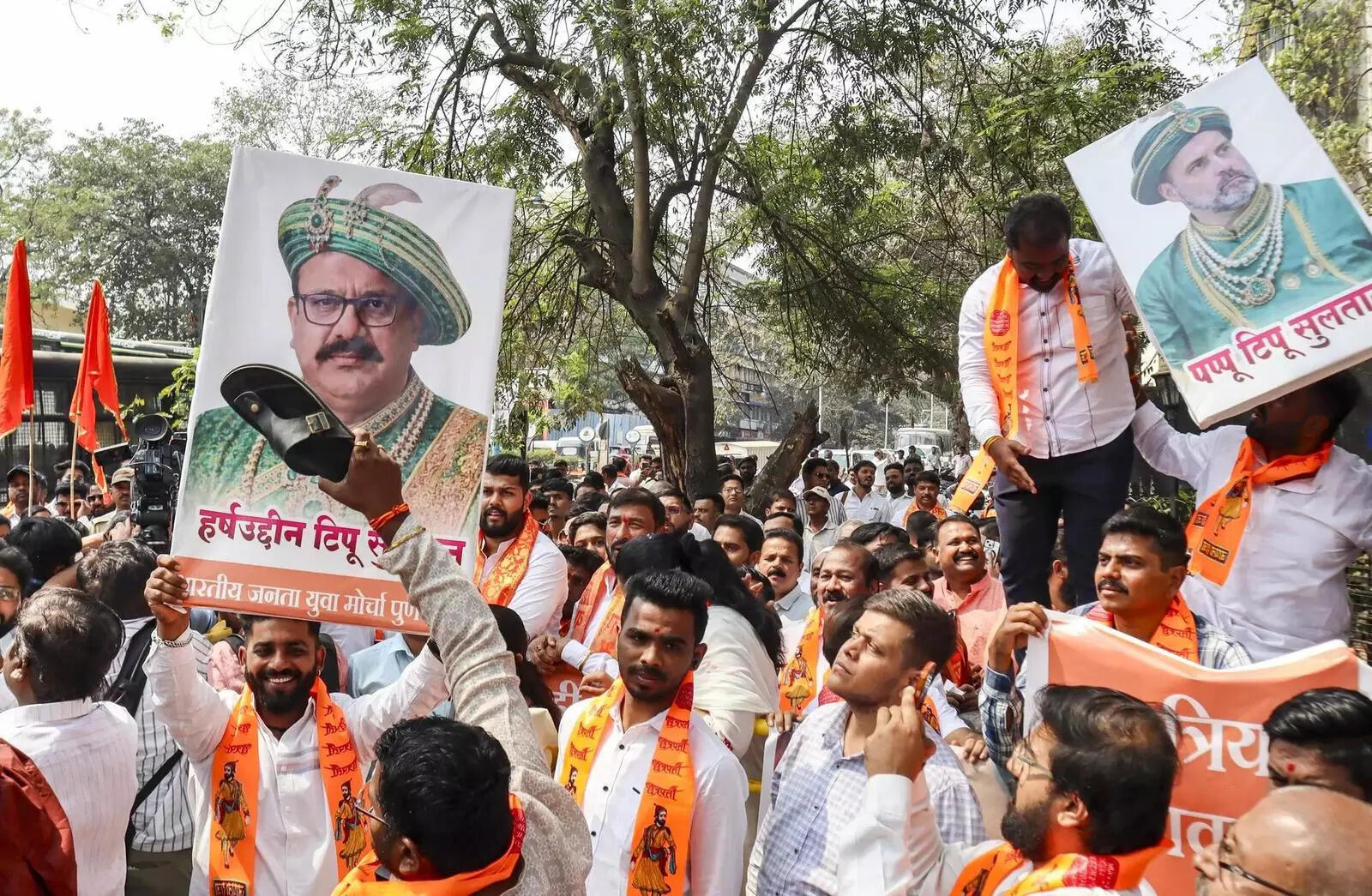
The comparison of Chhatrapati Shivaji Maharaj with Tipu Sultan has sparked a heated political row in India, highlighting deep divisions over historical figures and their legacy. The争议 began when Maharashtra Congress chief Harshwardhan Sapkal equated the 17th-century Maratha king Shivaji Maharaj, known for his resistance against Mughal rule, with Tipu Sultan, an 18th-century ruler of Mysore who is controversially seen by some as a freedom fighter and by others as a oppressor. This comparison ignited protests from BJP activists, particularly in Pune, where clashes occurred between opposing groups.
The controversy gained momentum after a portrait of Tipu Sultan was briefly displayed in the deputy mayor's office in Malegaon. Shiv Sena corporators swiftly objected to its presence, arguing that it violated state protocols which only allow portraits of officially recognized leaders. The portrait was subsequently removed, but the political debate over the two figures' reputations escalated further. Maharashtra Chief Minister Devendra Fadnavis strongly criticized Sapkal for drawing a parallel between Shivaji and Tipu Sultan, calling the latter a "butcherer" who targeted Hindus.
The row underscores the complex role of history in contemporary Indian politics. While Shivaji Maharaj is celebrated as a symbol of bravery and resistance against foreign rule, Tipu Sultan's legacy is more contested. He is often praised for his opposition to British colonialism but criticized for his treatment of Hindus and other communities during his reign. The debate reflects broader tensions over how historical figures are commemorated and whether their actions should be judged through modern ethical standards.
The incident also highlights the polarization around minority representation in public office, with some seeing it as an attempt to divert attention from progress made by Muslim women leaders like Malegaon's deputy mayor. Meanwhile, supporters of Tipu Sultan argue that his contributions to resisting British expansion are significant and often overlooked in mainstream narratives dominated by figures like Shivaji Maharaj.
This controversy matters because it reveals the ongoing struggle over how India's historical figures are remembered and their role in shaping national identity. It also demonstrates how even seemingly neutral acts, like displaying a historical figure's portrait, can become flashpoints in India's charged political landscape. The debate ultimately raises questions about the value of historical reconciliation and whether modern India can move beyond divisive interpretations of its past.
Verticals
worldasia
Originally published on Times of India on 2/19/2026