
Future of Japan’s ‘naked festival’ in doubt after 3 men left unconscious
South China Morning Post
by Julian RyallFebruary 24, 2026
AI-Generated Deep Dive Summary
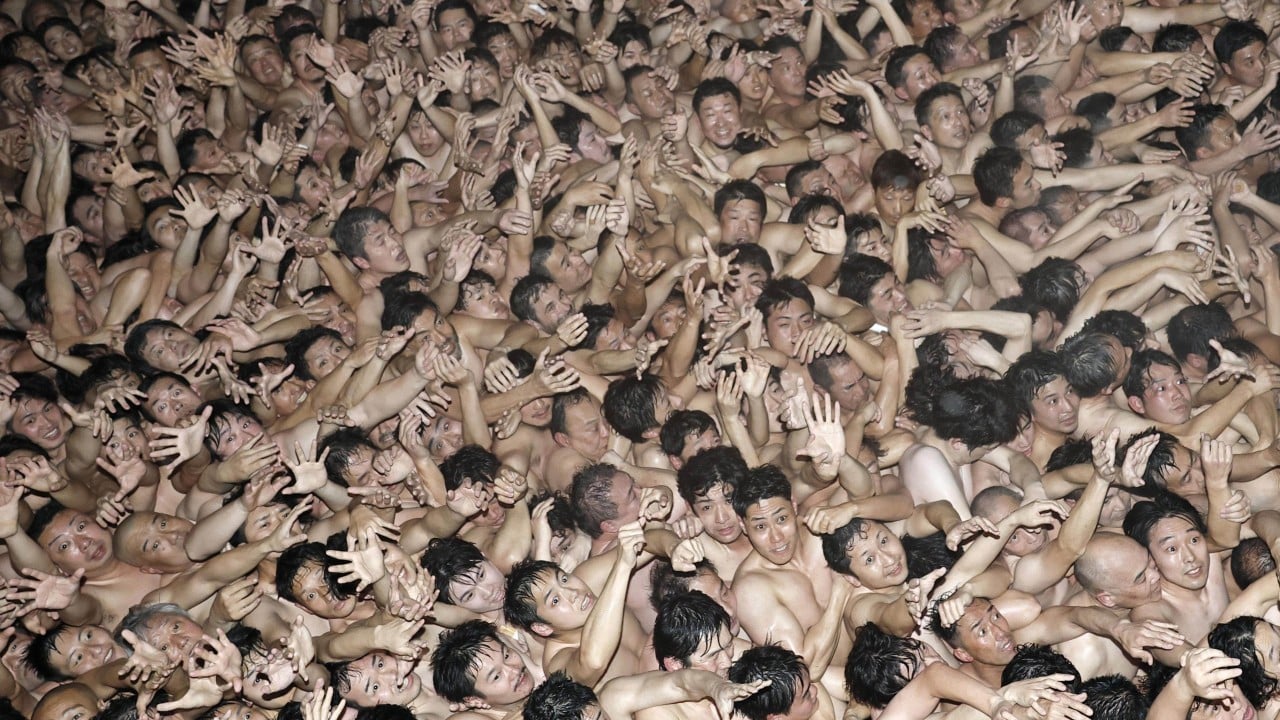
Japan’s iconic “naked festival” in Okayama City has been thrown into doubt after a tragic incident during which three men remained unconscious following a crush at the annual event. The festival, held at Saidaiji Kannon-in Temple, saw thousands of nearly naked participants scrambling to seize sacred wooden sticks known as shingi. Six men collapsed during the scramble, with three later being hospitalized in serious condition. The incident occurred after participants were doused with water and competed for the talismans, a tradition believed to bring good luck.
The festival, one of Japan’s most famous, has been held for over 500 years and draws thousands of men each year wearing only loincloths. Organizers have announced plans to review safety rules following the incident, which occurred during the chaotic competition for the shingi sticks. Local media reported that two of the injured men were from Okayama City, while the third hailed from nearby Mimasaka City.
The event, held in sub-zero temperatures, has long been a test of endurance and camaraderie. Participants traditionally prepare for months to build strength and stamina ahead of the grueling competition. However, the recent tragedy has sparked concerns about the safety measures in place during such high-energy rituals. The incident has cast a shadow over the future of this centuries-old tradition, raising questions about how organizers can balance preserving cultural heritage with ensuring participant safety.
This incident highlights the fine line between tradition and risk in Japan’s unique festivals, which often combine intense physical activity with deep cultural significance. While the naked festival remains a beloved event for many, the aftermath underscores the need for careful consideration of safety protocols to protect participants and preserve this iconic tradition for future generations. The outcome will likely spark broader discussions about the balance between cultural preservation and modern safety standards in similar events worldwide.
Verticals
worldasia
Originally published on South China Morning Post on 2/24/2026