
Germany joins growing ranks of countries considering social media bans
Sydney Morning Herald
by Andreas RinkeFebruary 22, 2026
AI-Generated Deep Dive Summary
Germany’s ruling conservatives have taken a significant step toward restricting social media access for children under 14, passing a motion that could set a precedent for similar regulations across Europe. The move, which includes fines for platforms failing to enforce these limits and calls for EU-wide harmonization of age standards, reflects a growing global trend of countries seeking to protect minors from the potential harms of social media. This follows Australia’s lead, which last year became the first nation to mandate platforms切断青少年的访问权限,禁止16岁以下人群使用社交媒体。
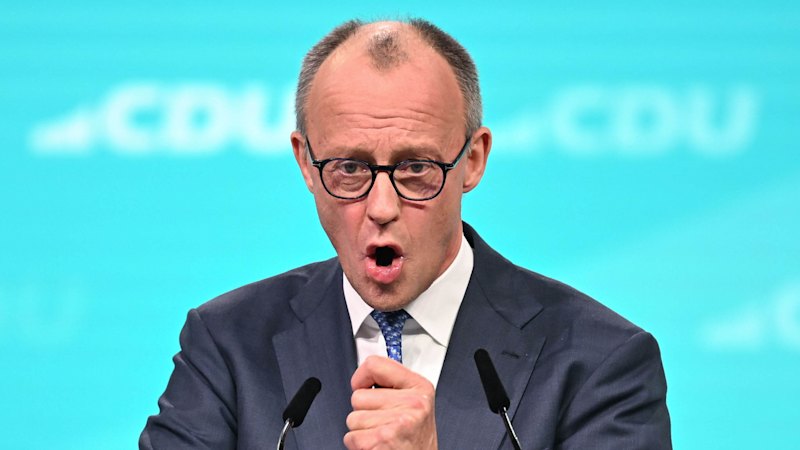
The motion, adopted at a CDU party conference in Stuttgart, aligns with broader efforts by European nations to increase pressure on tech companies over data privacy and user safety. However, it also risks tensions with the United States, where President Donald Trump has threatened tariffs and sanctions against EU countries imposing new regulations that could harm US-based firms. The push for stricter digital controls is gaining momentum, with France’s Emmanuel Macron recently stating that protecting children from social media and AI-related harms will be a priority during his G7 presidency.
Germany’s proposal comes as other European nations, including Spain, Greece, and Britain, are also considering similar restrictions. These measures aim to address concerns about the impact of social media on young people, particularly regarding privacy, mental health, and exposure to harmful content. While Germany’s federal system means that implementing nationwide rules will require agreement among states, the backing of both the CDU and its coalition partner, the Social Democrats, increases the likelihood of federal action.
The global movement to restrict children’s access to social media highlights a growing recognition of the need for stronger safeguards in the digital age. As countries like India also explore “age limits” for social media and address issues such as deepfakes, the focus on child protection online is gaining momentum. These efforts underscore the broader challenge of balancing innovation with the ethical responsibilities of tech companies, particularly when it comes to safeguarding vulnerable populations.
Germany’s proposal not only reflects a shift in regulatory focus but also signals a potential shift in international relations. While some countries view these restrictions as necessary for protecting children, others warn of the risks to free trade and digital collaboration. The outcome of these discussions will likely shape the future of social media regulation globally, with significant implications for both tech companies and users worldwide.
Verticals
worldaustralia
Originally published on Sydney Morning Herald on 2/22/2026