
Germany’s outreach to China signals a reckoning, rather than a shift
South China Morning Post
by Sebastian Contin Trillo-FigueroaFebruary 23, 2026
AI-Generated Deep Dive Summary
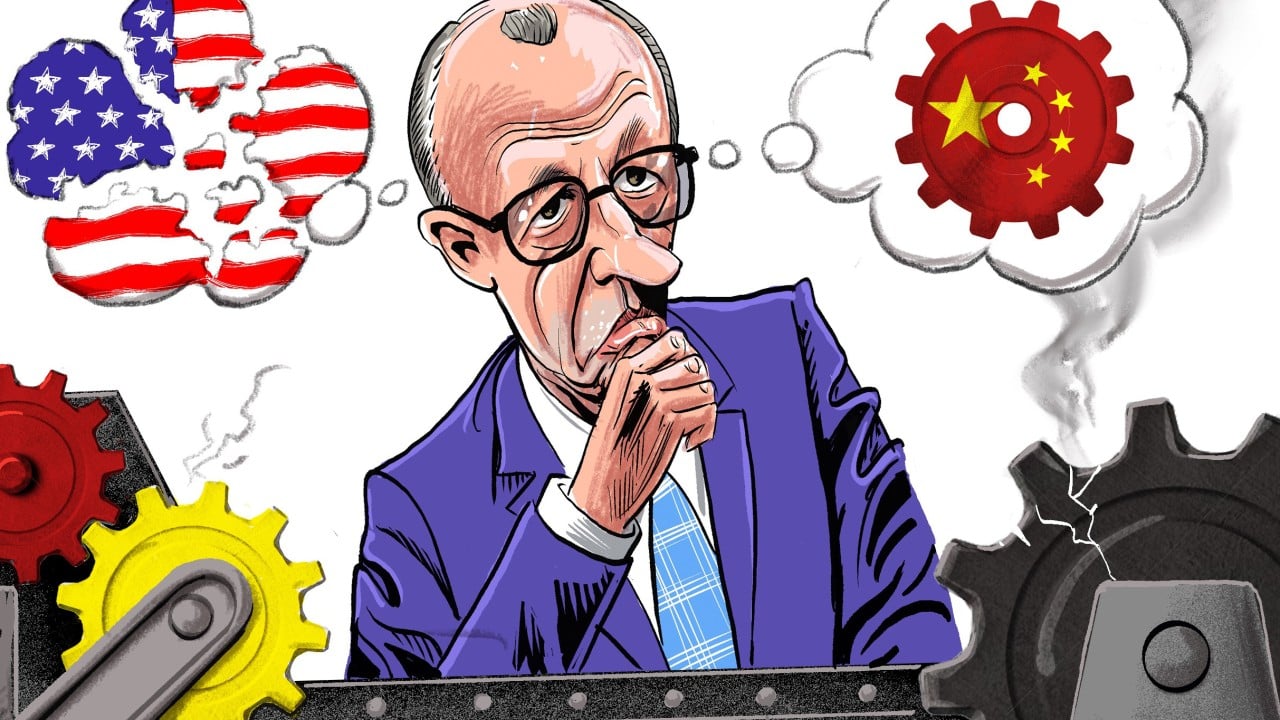
Germany’s outreach to China signals a significant shift in its foreign policy, driven by pragmatic economic considerations rather than ideological stances. Chancellor Friedrich Merz, who is set to visit Beijing this week, has previously warned that Germany’s deep economic ties with China make it vulnerable to pressure from Beijing. This acknowledgment reflects a broader recognition within the German government that its traditional export-driven model is under strain, particularly amid rising tensions in the transatlantic relationship and the harsh realities of maintaining an industrial economy.
Merz’s approach appears to align with a growing realization in Germany about the limitations of moral posturing on the global stage. His tenure has been marked by a shift away from ideological positioning, especially regarding China, toward more practical engagement. This pivot is evident in his recent remarks and actions, which emphasize the need for dialogue and cooperation to manage economic dependencies and mitigate risks.
The visit underscores a broader reevaluation of Germany’s strategic priorities. It signals a move toward balancing short-term economic interests with long-term geopolitical considerations. Merz’s background as chairman of the Atlantik-Brucke, an organization that promotes transatlantic relations, suggests a nuanced understanding of both the opportunities and challenges in engaging with China. This pragmatic approach is likely to shape Germany’s interactions with China moving forward.
For readers interested in global affairs, this shift highlights the delicate balancing act nations face when navigating complex international relationships. It also raises questions about the future trajectory of transatlantic cooperation and the potential implications for global trade dynamics. As Europe grapples with economic uncertainties and shifting geopolitical landscapes, Germany’s pragmatic engagement with China could serve as a model—or a warning—for other countries.
Verticals
worldasia
Originally published on South China Morning Post on 2/23/2026