
Global warming, American cooling: US freezes climate science
Times of India
by CHIDANAND RAJGHATTAFebruary 13, 2026
AI-Generated Deep Dive Summary
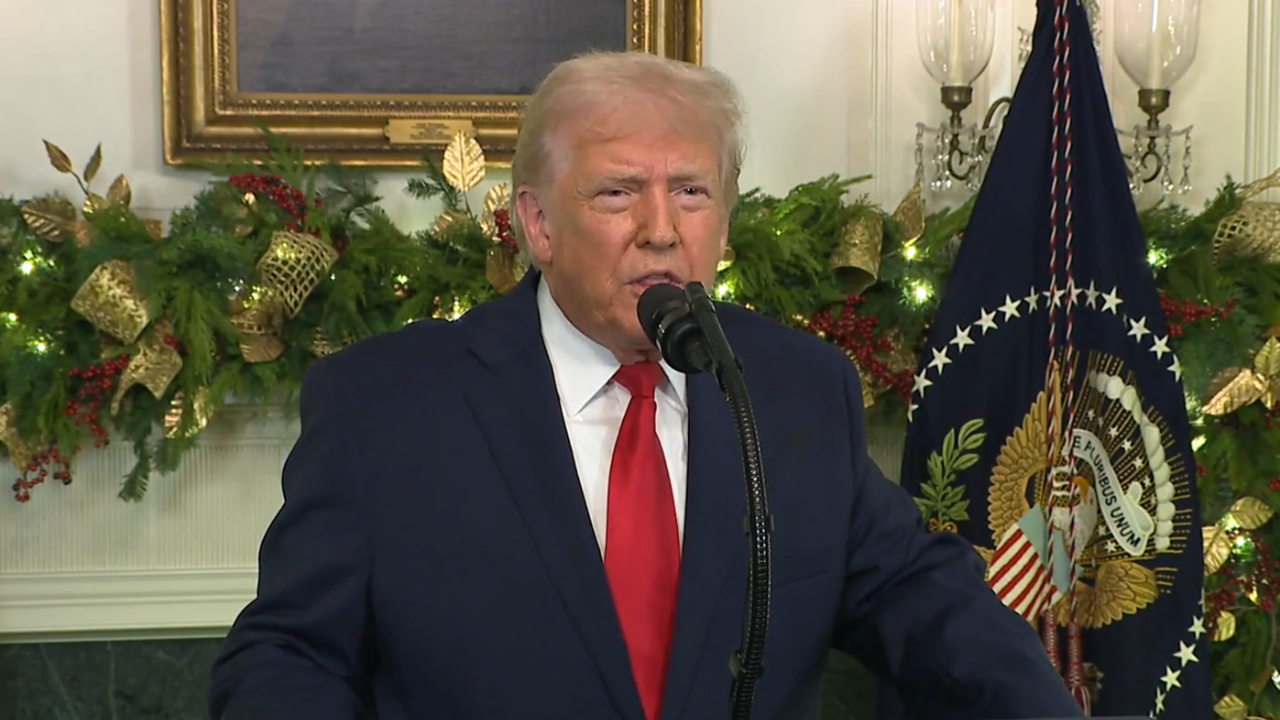
The United States has significantly rolled back on its commitment to addressing climate change under President Donald Trump's leadership. In a major move, Trump revoked the 2009 "endangerment finding," which established that greenhouse gases pose a threat to public health and welfare. This decision undermines the legal basis for regulating carbon dioxide, methane, and other pollutants under the Clean Air Act, leading to a potential surge in U.S. emissions. Trump framed this as a victory for economic growth and consumer choice, dismissing climate science as a "scam" that unfairly burdened industries like auto manufacturing.
The 2009 finding was pivotal, as it provided the legal foundation for limiting emissions from vehicles, power plants, and oil operations. Its repeal weakens global efforts to combat climate change, particularly as the U.S., historically the largest emitter, continues to retreat despite its leadership role in international agreements like the Paris Accord. This decision not only affects domestic policy but also sends a concerning signal internationally, potentially discouraging other nations from maintaining their climate commitments.
For developing countries like India, this rollback has significant implications. India is highly vulnerable to extreme weather events such as heatwaves and erratic monsoons, with climate-related disasters already causing substantial economic losses and human casualties. The U.S.'s withdrawal from global climate leadership exacerbates these challenges, shifting more responsibility onto nations least equipped to handle the impacts of a warmer world.
This move aligns with conservative and fossil fuel industry goals, as they view the endangerment finding as a key driver of federal regulation. Trump's administration, supported by significant oil and gas campaign contributions, portrays this deregulatory action as restoring economic freedom. However, critics argue that prioritizing
Verticals
worldasia
Originally published on Times of India on 2/13/2026