
Govt cheating cotton farmers, textile exporters in US trade deal, says Rahul Gandhi
Times of India
by TNNFebruary 14, 2026
AI-Generated Deep Dive Summary
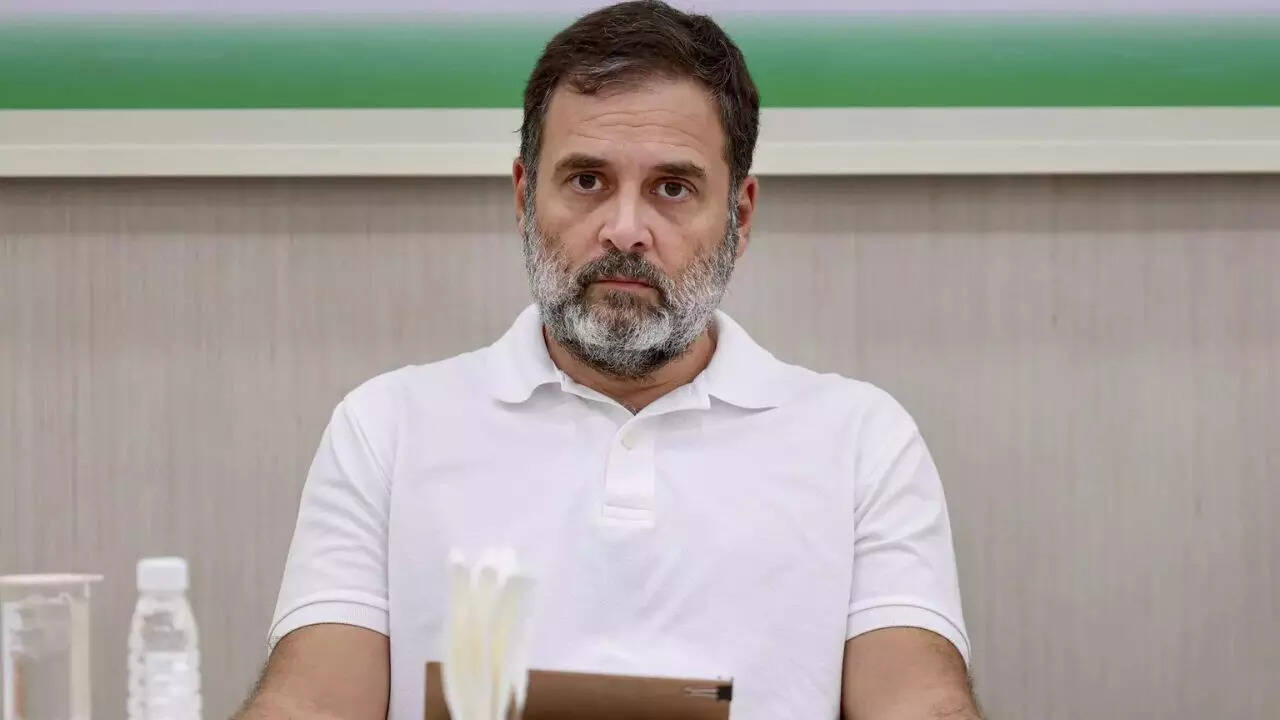
Congress Minister Rahul Gandhi has accused the Indian government of failing to protect cotton farmers and textile exporters through the India-US interim trade deal. He claims that the agreement will cause significant harm to these vital sectors, with the 18% tariff on Indian garment exports putting them at a disadvantage compared to Bangladesh, which receives a 0% tariff in return for importing American cotton. Gandhi highlighted the government’s alleged confusion and lack of transparency in explaining the deal’s implications.
Gandhi pointed out that during a parliamentary discussion, when he questioned the special concession given to Bangladesh, a minister from Prime Minister Narendra Modi’s government responded by suggesting that India would have to import American cotton if it wanted similar benefits. He criticized this revelation as a hidden fact that was not disclosed to the public earlier and questioned the rationale behind such a policy.
The textile industry and cotton farming are critical to India’s economy, employing millions of families across the country. Gandhi warned that the trade deal could push these sectors into a crisis, with farmers facing ruin if they import American cotton and exporters struggling to compete without it. He argued that a visionary government would have negotiated a deal that safeguarded both industries’ interests but instead, the opposite has occurred.
This issue matters globally as it highlights the broader challenges of negotiating trade deals that balance national interests with international partnerships. The potential fallout for India’s agricultural and textile sectors could have far-reaching economic consequences, affecting millions of livelihoods and destabilizing key industries. Gandhi’s criticism underscores the need for transparency and equitable policies in trade negotiations to protect domestic industries and ensure long-term economic stability.
Verticals
worldasia
Originally published on Times of India on 2/14/2026