
Great powers, fractured rules: Is the era of US-led world order over?
Times of India
by VIVEK DUBEYFebruary 26, 2026
AI-Generated Deep Dive Summary
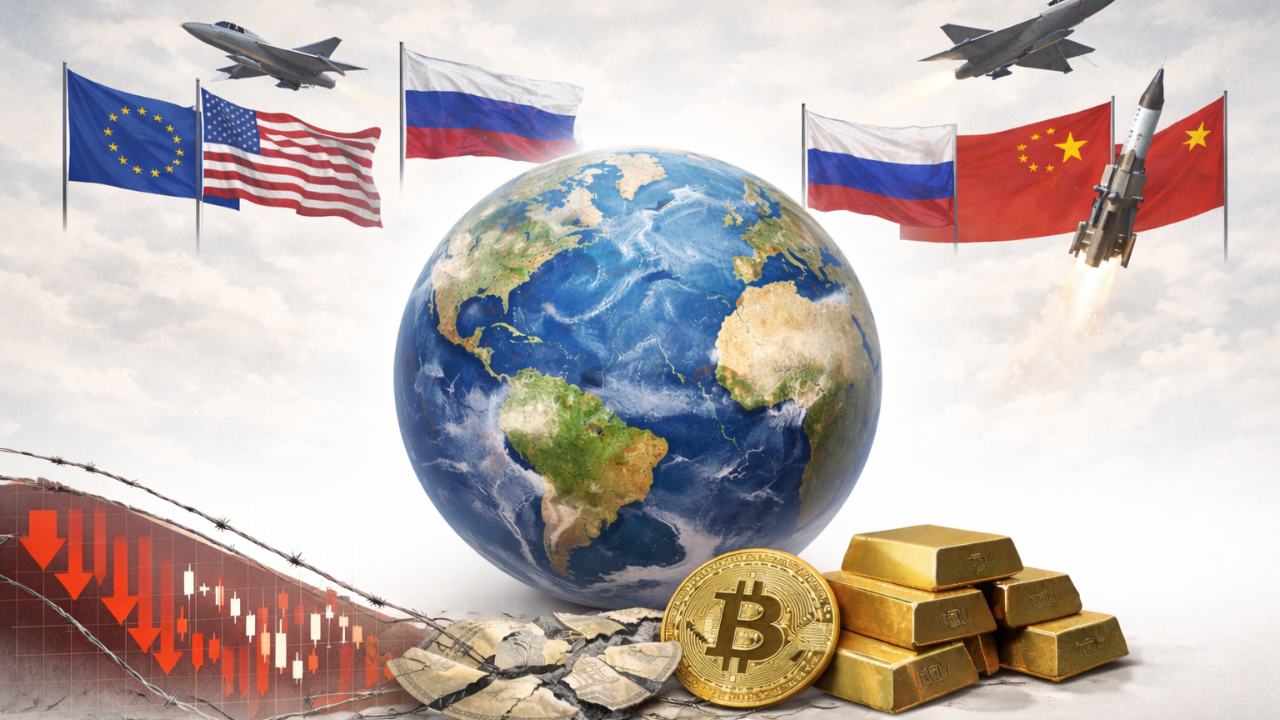
In February 2026, world leaders at the Munich Security Conference openly acknowledged the collapse of the post-1945 US-led international order. Germany’s chancellor described it as “no longer exists,” while France warned Europe must prepare for war and the United States declared the “old world is gone.” These remarks reflected a growing consensus that the global framework built on American leadership, open markets, and shared rules is fracturing.
The breakdown was evident in multiple fronts: Russia’s ongoing war in Ukraine, escalating trade disputes hardening into economic blocs, and technology being weaponized. Leaders pointed to unilateral US policies, Chinese assertiveness, and a rising multipolar world as key causes. The Munich Security Report 2026 titled “Under Destruction” bluntly stated that the post-WWII order is under strain, with Europe’s peace and freedom now fragile.
The shift toward pragmatic, transactional alliances over shared values was evident in leaders’ calls for “hard power” to deter aggression. Economic nationalism is reshaping trade and migration dynamics, potentially increasing border politics volatility. The erosion of trust extends beyond military or financial realms, with coercive measures like trade barriers, technological export bans, and capital controls becoming common tools of statecraft.
This new era sees conflict spanning five domains: trade wars intensifying, technology as a battleground for strategic dominance, and economic pressure applied even to third parties. The US-China trade dispute persists, while countries from Brazil to India raise barriers, fracturing supply chains. In this landscape, traditional guarantees like NATO’s Article 5 and US dollar hegemony are no longer taken for granted.
The collapse of the old order matters because it ushers in a more unpredictable world where power determines outcomes across economic, technological, and geopolitical spheres. The global rules that ensured stability for decades are being replaced by a competitive, multipolar system where alliances are formed based on self-interest rather than shared principles. This shift poses significant risks to global cooperation, security, and economic stability, shaping a new era of great power competition and uncertainty.
Verticals
worldasia
Originally published on Times of India on 2/26/2026