
Great white sharks don’t always flee after orca attacks
Popular Science
by Margherita BassiFebruary 22, 2026
AI-Generated Deep Dive Summary
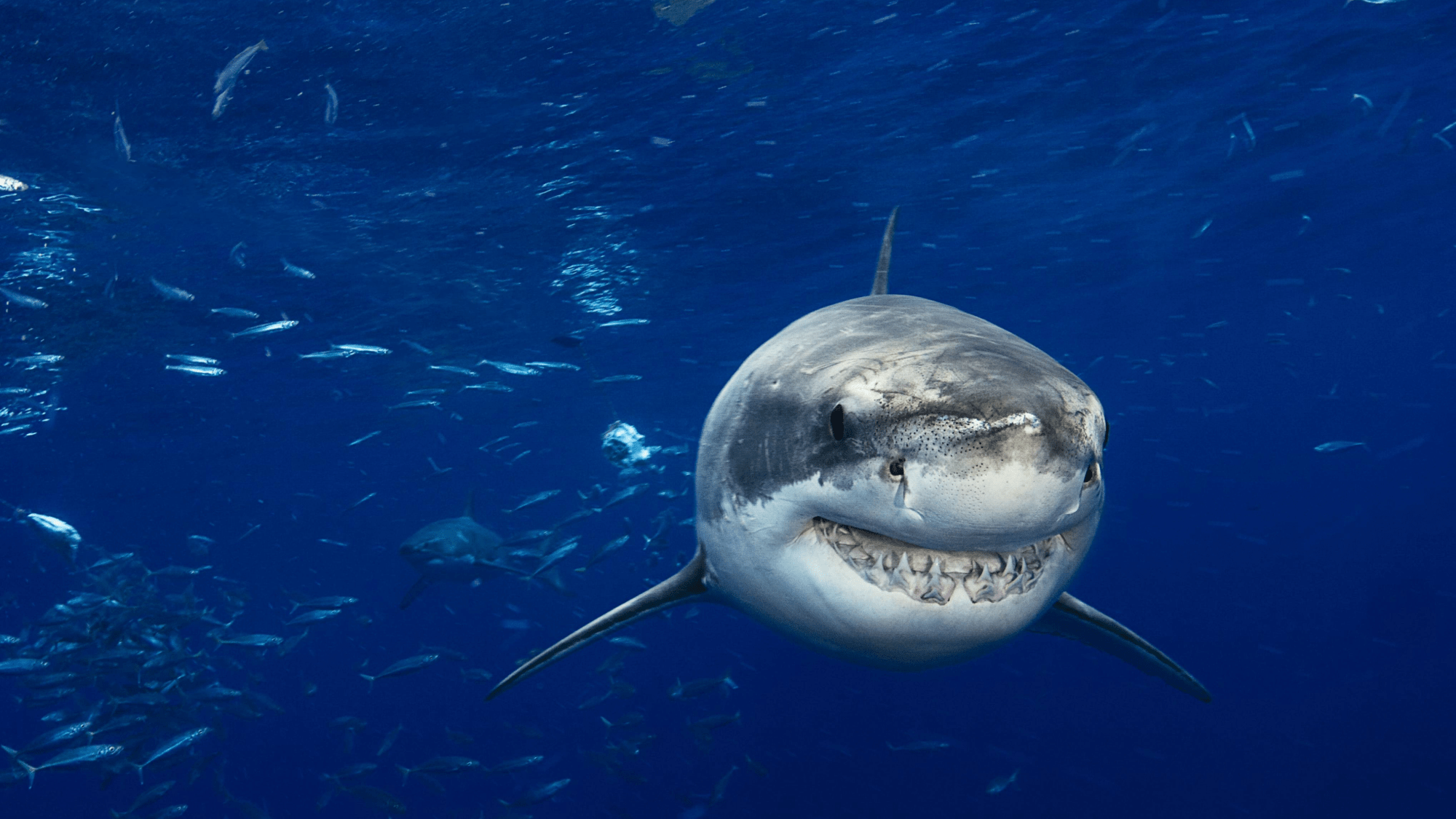
Great white sharks are often thought to flee immediately when orcas attack, but a recent study challenges this notion. Researchers from Flinders University found that long absences of great white sharks from coastal areas aren't always caused by killer whale predation. By analyzing over a decade of acoustic tracking data and tourism sightings, they discovered that six significant disappearances occurred, with only one linked to orcas. This suggests that these absences can happen naturally, influenced by other factors like environmental cues or chemical signals.
Previous incidents, such as the 2015 disappearance of sharks near Australia's Neptune Islands following a suspected orca attack, led many to believe killer whales were solely responsible. However, the new study reveals that while short-term shark departures might be triggered by orcas, longer absences often have natural causes. For example, the longest absence recorded lasted over two months without any known orca involvement.
This research highlights the importance of long-term monitoring in understanding shark behavior and their interactions with predators. It challenges the assumption that killer whales are the primary drivers of shark disappearances, offering a more nuanced perspective on marine ecosystems. By considering natural factors, scientists can gain deeper insights into how these apex predators adapt to their environment.
The study underscores the complexity of marine life and the need for comprehensive research. Understanding why sharks disappear helps improve conservation strategies and dispels myths about these misunderstood creatures. This knowledge is crucial for anyone interested in marine biology, as it enhances our appreciation for the intricate dynamics between species in the ocean.
Verticals
sciencetech
Originally published on Popular Science on 2/22/2026