
Hitler’s childhood home becomes a police station in US$24 million revamp
South China Morning Post
by Agence France-PresseFebruary 21, 2026
AI-Generated Deep Dive Summary
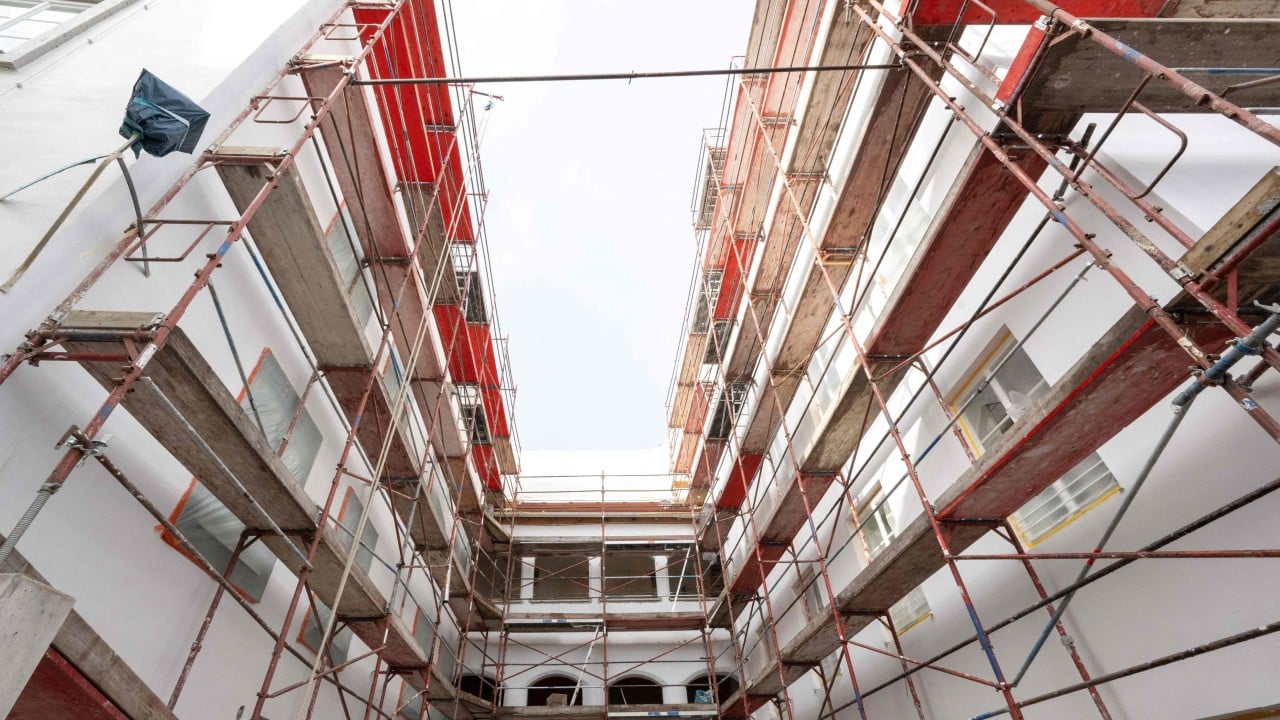
The childhood home of Adolf Hitler in Braunau am Inn, Austria, has been transformed into a police station following a $24 million renovation. This controversial decision has sparked mixed emotions among locals, with some viewing it as an opportunity to neutralize the site's historical significance and deter far-right extremists from using it as a rallying point. Others believe the location could have been repurposed in a way that better reflects its complex history.
The town, located near the German border, has long grappled with the legacy of Hitler's birthplace. Over the years, the site has attracted both neo-Nazi groups and counter-protesters, leading to tensions. The government's decision to take control of the property in 2016, through a law aimed at "neutralizing" the site, reflects an effort to reclaim the space from those with extremist intentions.
The renovation project, which included transforming the building into a police station, was completed in 2023. This move is seen by officials as a way to ensure public safety while also discouraging far-right gatherings. However, critics argue that the site's historical significance could have been addressed through alternative means, such as educational initiatives or memorials that acknowledge its dark past.
The transformation of Hitler's birthplace into a police station is part of a broader global conversation about how societies should handle controversial historical sites. By repurposing the building, Austrian authorities are attempting to move beyond its association with extremism and focus on community safety. However, this decision highlights the challenges of balancing historical preservation with modern needs, particularly in regions with complex legacies tied to far-right ideologies.
This story is significant for readers interested in global affairs, as it touches on issues of historical memory, public safety, and the ongoing struggle against far-right extremism. The debate over how to handle such sites reflects broader societal tensions and underscores the importance of thoughtful, inclusive approaches to dealing with problematic legacies.
Verticals
worldasia
Originally published on South China Morning Post on 2/21/2026