
Hong Kong 47: court dismisses appeals by 12 activists in national security trial
South China Morning Post
by Natalie Wong,Matthew Cheng,Edith Lin,Brian WongFebruary 23, 2026
AI-Generated Deep Dive Summary
Hong Kong’s Court of Appeal has dismissed appeals filed by 12 opposition activists, who were seeking to overturn their convictions or reduce their sentences in the city’s largest national security trial to date. The appellate court also upheld the acquittal of barrister Lawrence Lau Wai-chung, one of 47 defendants originally charged with conspiracy to subvert state power. This ruling marks a significant moment in Hong Kong’s legal landscape, reinforcing the strict enforcement of national security laws introduced by Beijing.
The case gained international attention due to its high-profile nature and the involvement of prominent activists. Among the 47 defendants, 12 had appealed their convictions, arguing that their rights to a fair trial were violated. The court’s decision to reject these appeals underscores the harsh penalties and limited avenues for appeal under Hong Kong’s national security laws, which were enacted in response to pro-democracy protests in 2019.
Lawrence Lau’s acquittal was upheld despite efforts by the government to challenge it. His case had sparked debates about judicial independence and the application of national security legislation. The appellate court’s decision has reaffirmed his innocence, while other activists, including former district councillor Lee Yue-shun, have faced reduced sentences or retrials. The trial has highlighted the broader implications of Hong Kong’s legal framework under Chinese rule.
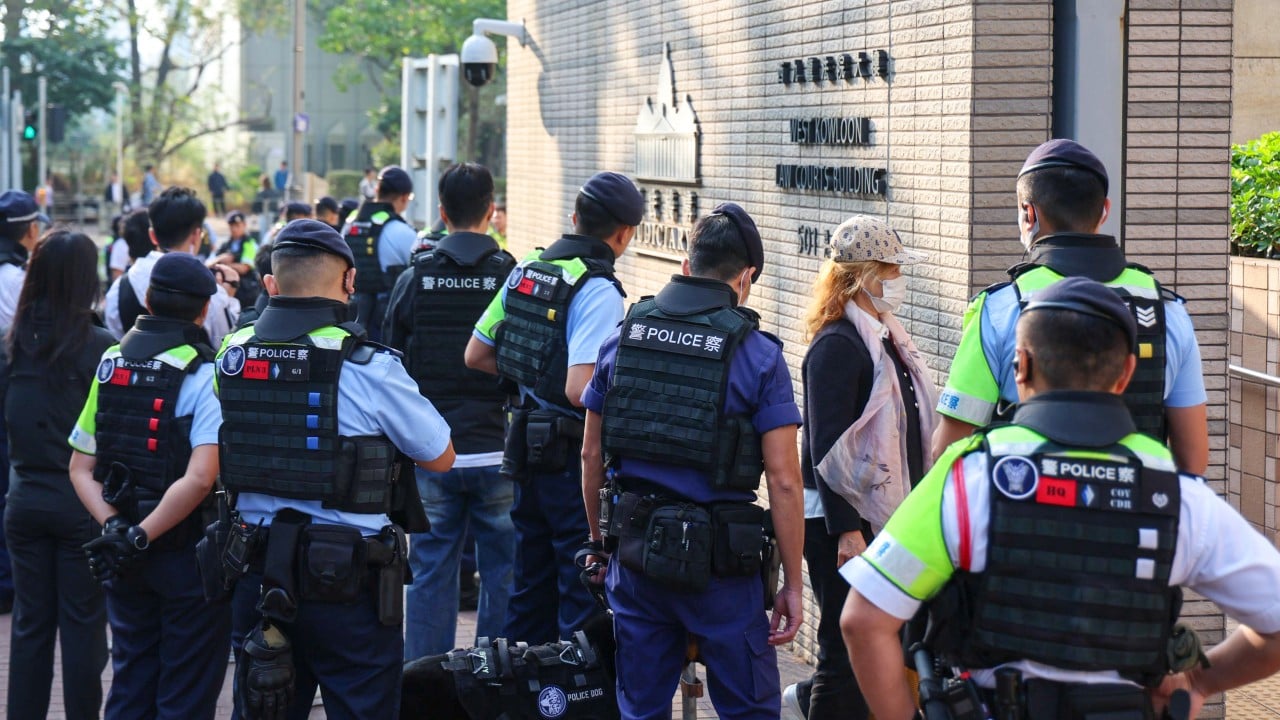
The proceedings were marked by a heavy police presence outside West Kowloon Court, with barricades and security checks in place to manage large crowds. International observers, including representatives from Western consulates, attended the verdict announcement, underscoring the global interest in Hong Kong’s legal developments. The court’s ruling is seen as a pivotal moment in determining how national security laws are interpreted and enforced in the territory.
This case matters globally because it reflects the challenges faced by democratic activists in regions with close ties to China. It also raises questions about the balance between national security and individual freedoms, particularly in Hong Kong, where such issues have sparked ongoing international scrutiny and debates about justice and autonomy under Chinese rule.
Verticals
worldasia
Originally published on South China Morning Post on 2/23/2026