
Hong Kong official warns of lower payout if Tai Po fire victims reject buy-back plan
South China Morning Post
by Edith LinFebruary 22, 2026
AI-Generated Deep Dive Summary
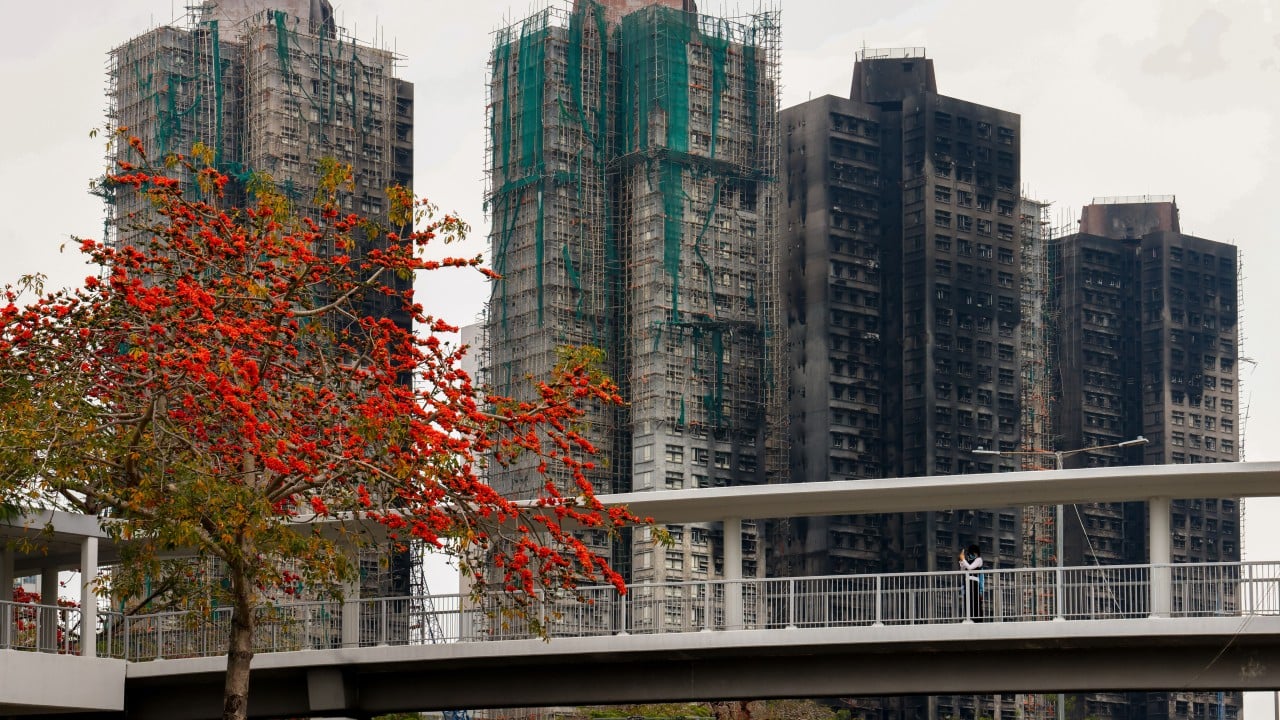
Hong Kong officials have warned that property owners affected by the devastating Tai Po fire may receive significantly lower compensation if they reject the government’s buy-back offer. Deputy Financial Secretary Michael Wong Wai-lun emphasized that forced acquisition through legislation would result in much lower payout values compared to the current proposal. This comes as part of an ongoing effort to address the aftermath of the tragic fire, which has sparked criticism and debate over how taxpayer money is being utilized.
The government’s buy-back plan aims to acquire properties damaged in the fire, but if homeowners refuse the offer, authorities will likely resort to compulsory acquisition under existing laws. Wong clarified that this process would lead to a “far lower” valuation for the properties, as market conditions and the specific circumstances of each case would dictate the final price. He also dismissed claims that public funds were being misused to address government accountability for the fire tragedy.
Online criticism has accused the government of using taxpayer money to cover its responsibility for the Tai Po disaster. However, Wong argued that the buy-back program is a responsible approach to resolving the situation and ensuring affected families can rebuild their lives. He stressed that the government’s actions are focused on finding a balanced solution that respects property rights while addressing the urgent needs of those impacted by the fire.
This issue highlights broader concerns about government responsibility and disaster response in Hong Kong. The debate over compensation and forced acquisition underscores the challenges of balancing public funds, property rights, and community welfare in the aftermath of such tragedies. As officials navigate these complexities, the outcome will likely set a precedent for how similar situations are handled in the future.
For readers interested in global news, this story highlights the intersection of government policy, disaster response, and economic implications. It also raises questions about accountability and resource allocation during crises, making it a topic of relevance not just locally but internationally.
Verticals
worldasia
Originally published on South China Morning Post on 2/22/2026