
Hong Kong to fully review plans for bus seat belt rules before relaunch: minister
South China Morning Post
by Wynna WongFebruary 15, 2026
AI-Generated Deep Dive Summary
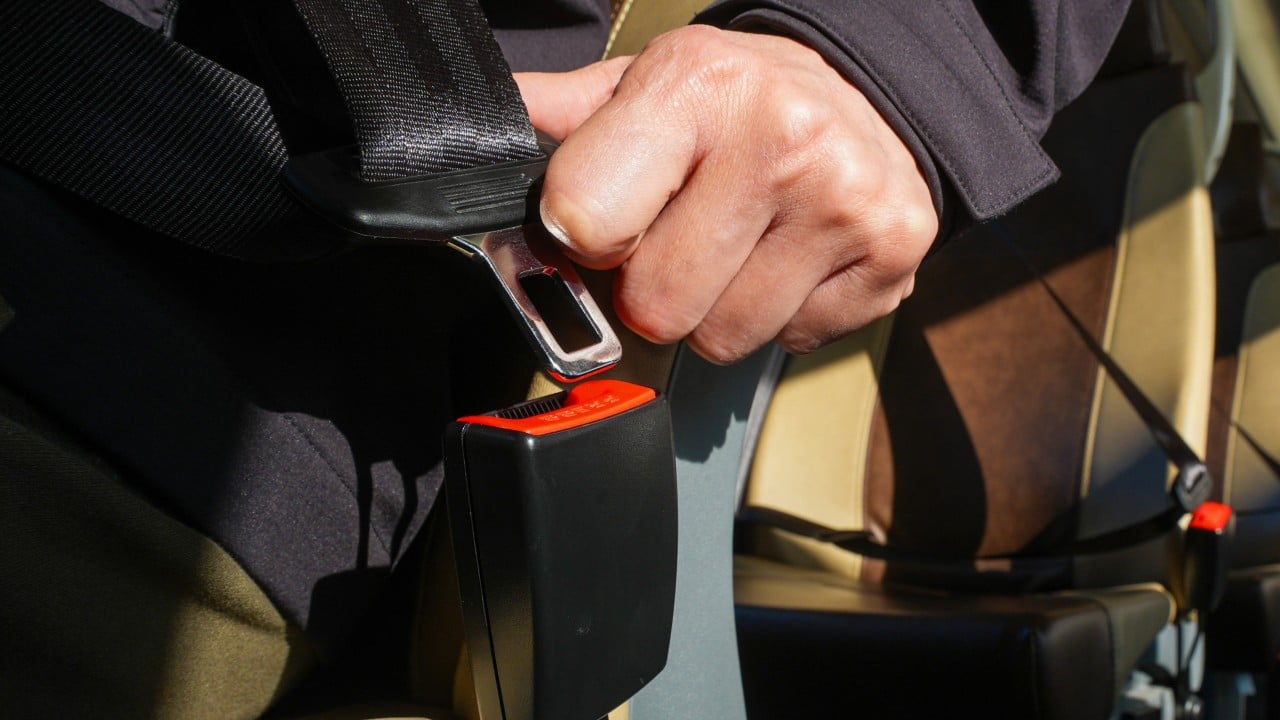
Hong Kong’s Transport Secretary has announced a comprehensive review of the city’s mandatory seat belt rule for bus passengers, following its recent repeal just days after implementation. The policy, which initially applied only to new buses registered from late January, faced criticism for its limited scope and practical challenges, such as uncomfortable designs and safety concerns. Now, officials plan to reassess the regulations with a focus on enhancing passenger comfort, addressing exemptions, and balancing legal requirements with public needs.
Secretary Mable Chan revealed that the government will collaborate with bus operators to improve seat belt installation, design, and maintenance. This effort aims to address safety and convenience issues highlighted by passengers. Additionally, experts will be consulted to analyze risks associated with different seating layouts and routes, ensuring a more tailored approach to safety across various bus configurations.
The review will also include revisiting penalties and exemptions for specific groups, such as elderly or disabled passengers, to ensure the revised policy is both enforceable and compassionate. Chan emphasized the importance of “widely consulting the community” to gather feedback and refine the proposal. This inclusive approach reflects a commitment to addressing public concerns while maintaining safety standards.
This development highlights Hong Kong’s proactive response to flawed policies and its dedication to fostering public trust through transparency and collaboration. As other regions grapple with similar challenges, Hong Kong’s approach offers valuable insights into balancing legal obligations with practical realities. The outcome of this review could set a precedent for how transportation authorities adapt to evolving safety needs and societal expectations.
Verticals
worldasia
Originally published on South China Morning Post on 2/15/2026