
Hongkongers rush to showrooms as EV tax breaks end, ‘quotas’ sell for HK$60,000
South China Morning Post
by Theodora YuFebruary 26, 2026
AI-Generated Deep Dive Summary
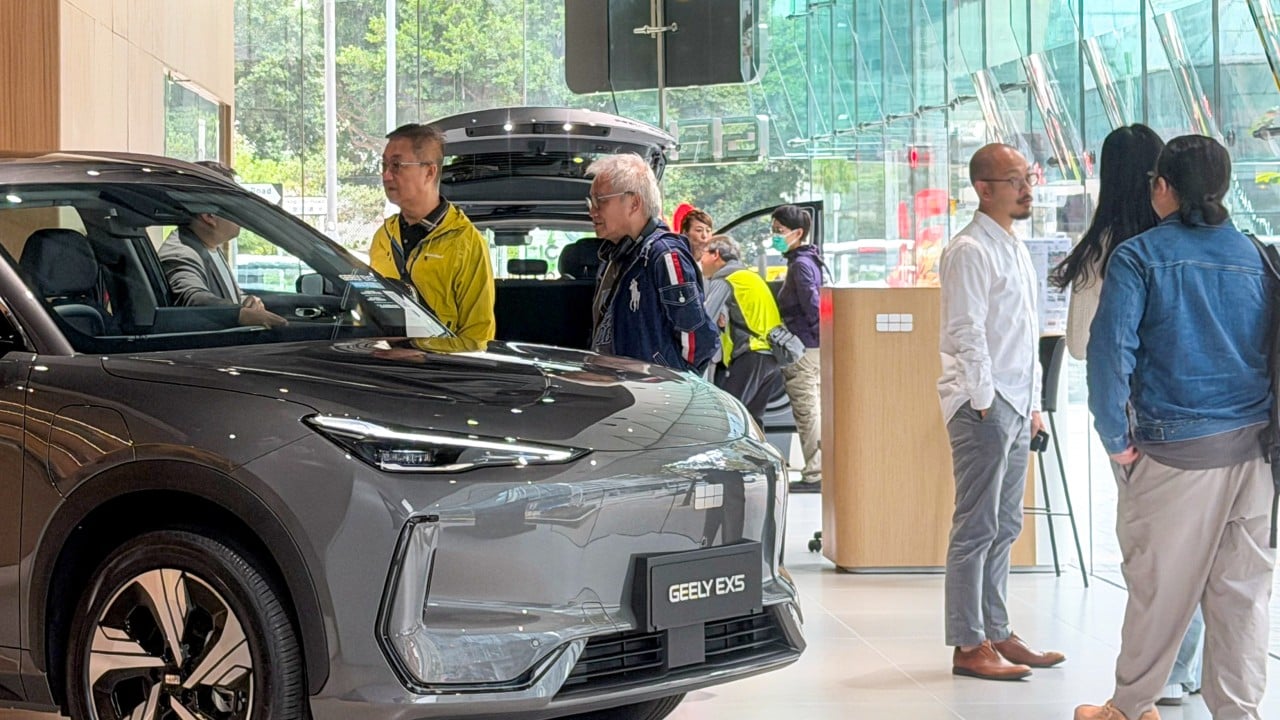
Hong Kong's decision to end tax breaks for private electric vehicles (EVs) has led to a surge in car purchases as residents rush to take advantage of the incentives before they expire. Dealers reported a significant increase in sales, with one company seeing a seventeenfold rise across its 12 stores. The rush was so intense that some customers, like one who broke into tears after midnight, feared missing the registration deadline. This scramble highlights the impact of policy changes on consumer behavior and the importance of timing when it comes to financial incentives.
The tax break termination, announced by Financial Secretary Paul Chan Mo-po, includes the end of the "One-for-One Replacement Scheme," which provided a higher first registration tax (FRT) concession for those trading in older cars. The scheme allowed eligible car owners to receive up to HK$172,500 off when purchasing a new EV. Dealerships experienced long queues as customers scrambled to finalize their purchases before the deadline on March 31. One dealership chairman noted that while some buyers were emotional, they could still qualify if they purchased an in-stock vehicle by the deadline.
This situation underscores the broader implications of government policies on the automotive market and consumer psychology. The sudden end of incentives has created a competitive environment, with dealers reporting unprecedented demand. For instance, Richburg Corporation, which deals with brands like MG and GAC Aion, saw daily sales jump from 20 cars to over 340 within just one day. This rush not only reflects the value placed on financial incentives but also highlights the urgency driven by policy changes.
The broader significance lies in how such policy shifts can influence market dynamics and consumer decisions. As Hong Kong's EV market grows, this event serves as a case study in the impact of government subsidies on automotive sales. The surge in demand during the final days of the incentive period demonstrates the power of financial incentives to drive market behavior and the importance of clear communication about policy changes to consumers.
For readers interested in global markets and policy impacts, Hong Kong's EV rush offers valuable insights into how economic incentives shape consumer choices and business strategies. The situation also raises questions about the sustainability of such policies and their long-term effects on the automotive industry and environmental goals. As other regions consider similar measures, this example provides a practical illustration of both the opportunities and challenges associated with government-backed initiatives in the EV market.
In conclusion, the rush to buy electric vehicles in Hong Kong before tax breaks expire is not just a local story but a global reminder of how policy changes can create sudden surges in demand. This phenomenon is particularly relevant for those following automotive markets, environmental policies, and economic trends. The emotional reactions and strategic decisions of consumers and dealers alike illustrate the complex interplay between financial incentives and
Verticals
worldasia
Originally published on South China Morning Post on 2/26/2026