
How much tariff will India pay after US SC ruling, Trump’s 10% global duty? What White House said
Times of India
by TOI BUSINESS DESKFebruary 21, 2026
AI-Generated Deep Dive Summary
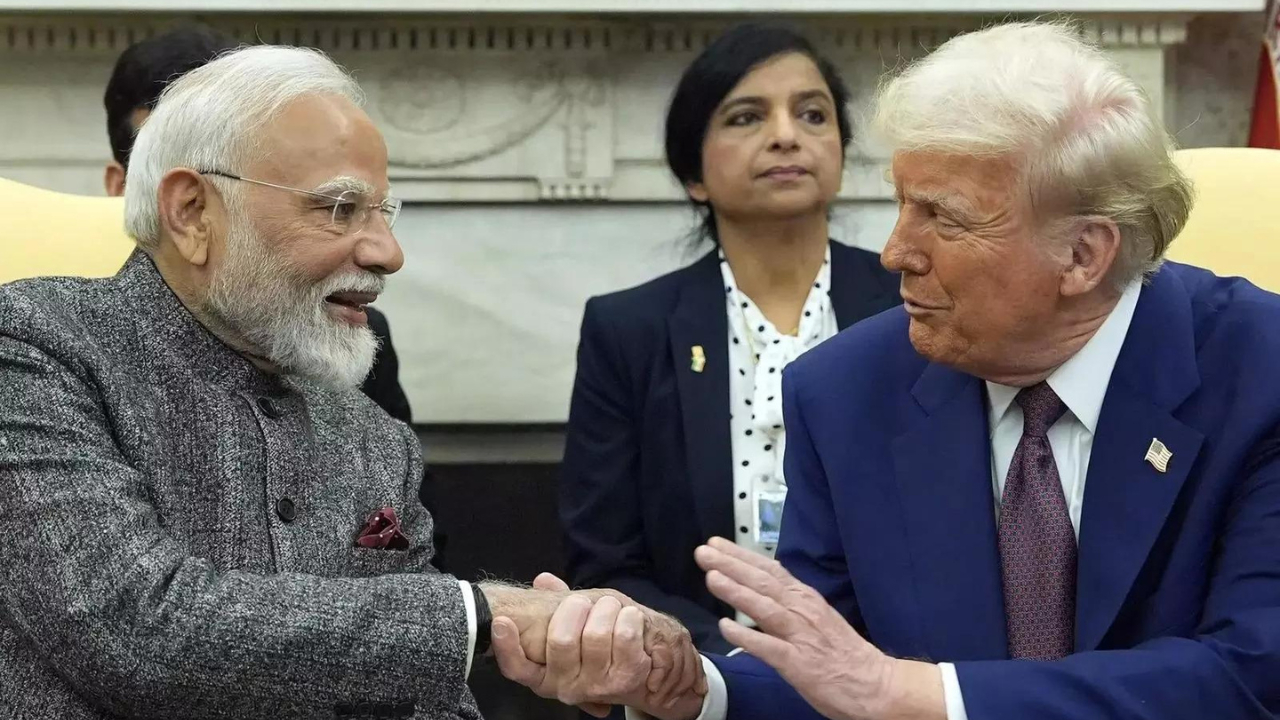
The U.S. White House has announced that India will pay a 10% tariff "until another authority is invoked," following President Donald Trump’s signing of an executive order imposing a 10% tariff on imports from all countries. This decision comes after the U.S. Supreme Court ruled in a 6–3 decision that Trump’s global tariffs were illegal. Despite this legal setback, Trump emphasized that the new 10% global tariff would not replace existing national security and trade-related tariffs under Section 232 and Section 301 of U.S. trade law. India was specifically mentioned by Trump, who stated that nothing changes for the India-U.S. trade deal; India will continue to pay tariffs while the U.S. does not.
This move reflects Trump’s broader protectionist trade agenda aimed at addressing balance-of-payments issues and unfair trade practices. The new 10% tariff is part of a temporary import surcharge under Section 122 of the Trade Act of 1974, which allows for up to a 15% surcharge for 150 days. Trump described the Supreme Court’s ruling as a "terrible decision" and doubled down on his stance, asserting that India was previously "ripping off" the U.S. in trade deals. He claimed the new agreement is fairer, with India paying tariffs while the U.S. does not.
The White House’s announcement has significant implications for global trade relations. It highlights the ongoing tension between U.S. trade policies and international partners like India. While Trump maintains that the deal with India remains unchanged, the decision to impose a 10% tariff under Section 122 adds another layer of complexity to an already contentious relationship. This development underscores the unpredictable nature of U.S. trade policy under Trump’s administration and its potential impact on global economic stability.
For readers interested in world affairs, this situation illustrates how domestic legal challenges can influence international trade dynamics. The Supreme Court’s ruling effectively curtailed Trump’s ability to impose global tariffs but did not dismantle his broader protectionist agenda. As the U.S. continues to navigate these trade policies, countries like India will likely face ongoing uncertainty and pressure to comply with new or modified trade terms. This case also serves as a test of how much executive authority courts will allow in matters of international trade policy.
In summary, the U.S. White House has imposed a 10% tariff on all
Verticals
worldasia
Originally published on Times of India on 2/21/2026