
How Trump’s threatened strikes on Iran could backfire
South China Morning Post
by BloombergFebruary 20, 2026
AI-Generated Deep Dive Summary
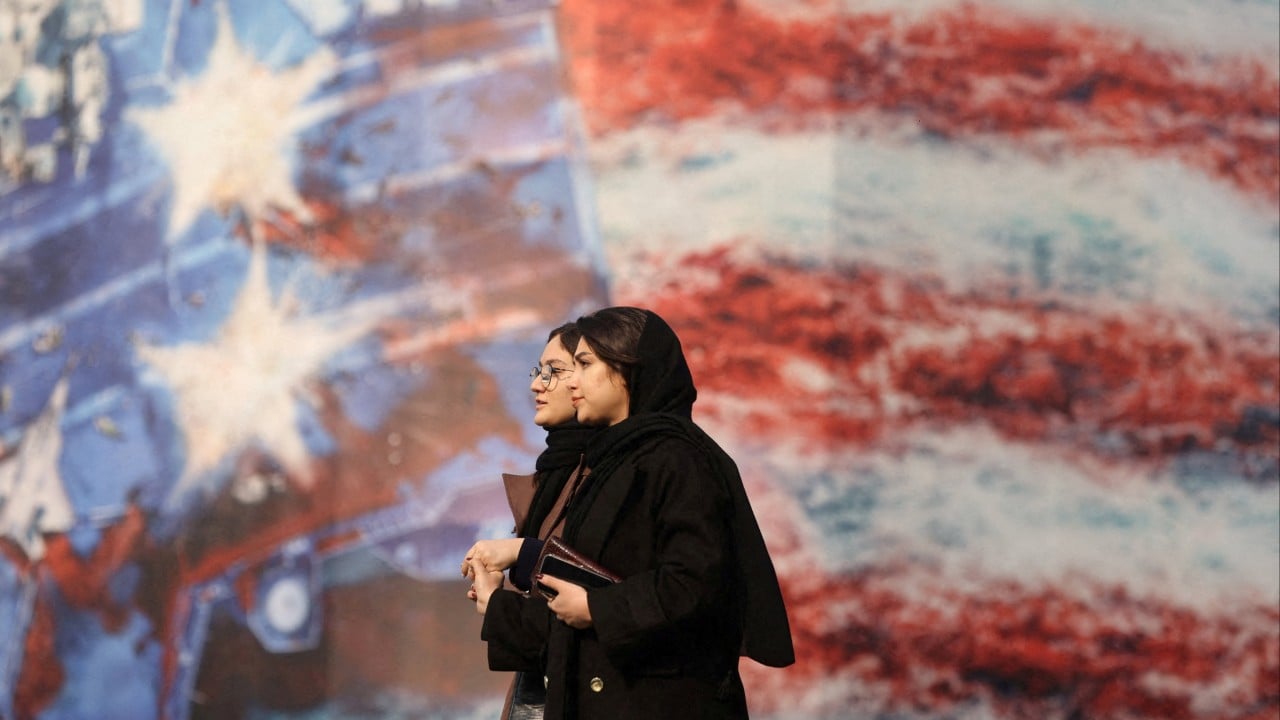
US President Donald Trump has floated the idea of limited military strikes on Iran to pressure it into a new nuclear deal, but experts warn this approach could backfire, risking a deadly cycle of retaliation and further destabilizing the Middle East. The Pentagon has significantly boosted its presence in the region, including deploying two aircraft carriers, fighter jets, and refueling planes, giving Trump the capability to launch both limited or extended operations against Iran. However, analysts caution that bombing Iran during negotiations could derail any potential deal and provoke a retaliatory response.
Trump and his administration have offered conflicting public statements about their objectives in restarting talks with Tehran. While some officials suggest the strikes are intended to pressure Iran into concessions, others emphasize the need for diplomacy. According to Barbara Slavin of the Stimson Centre, even if Trump does not follow through on military threats, the mere possibility could make Iran less willing to negotiate. Tehran has already indicated that a US strike would likely halt its participation in talks, as seen by a senior regional official who emphasized that attacking Iran would not yield a diplomatic agreement.
The timing of Trump’s announcement adds another layer of uncertainty. With a self-imposed deadline of 10-15 days, it remains unclear what concrete outcomes military action—whether limited or otherwise—would achieve. Iran experts argue that bombing the country during negotiations could deepen tensions and set off a dangerous cycle of escalation, potentially drawing in other regional powers and further complicating an already fragile situation.
This issue matters globally because it highlights the delicate balance of power and diplomacy in the Middle East. Trump’s consideration of military action underscores the high stakes involved in US-Iran relations and raises questions about the effectiveness of using force to influence negotiations. The potential for escalation not only threatens regional stability but also casts doubt on Trump’s approach to foreign policy, particularly his strategy for engaging with Iran and other adversarial nations.
Ultimately, the situation underscores the risks of conflating military threats with diplomatic efforts. If Trump proceeds with strikes, it could undermine any progress made in restarting nuclear talks and push Iran toward a more confrontational stance. As tensions remain high, the outcome of this decision will have far-reaching consequences for US-Iran relations and the broader Middle East region.
Verticals
worldasia
Originally published on South China Morning Post on 2/20/2026