
Hungary spoils EU attempt at Russia sanctions package over oil flows
South China Morning Post
by Associated PressFebruary 22, 2026
AI-Generated Deep Dive Summary
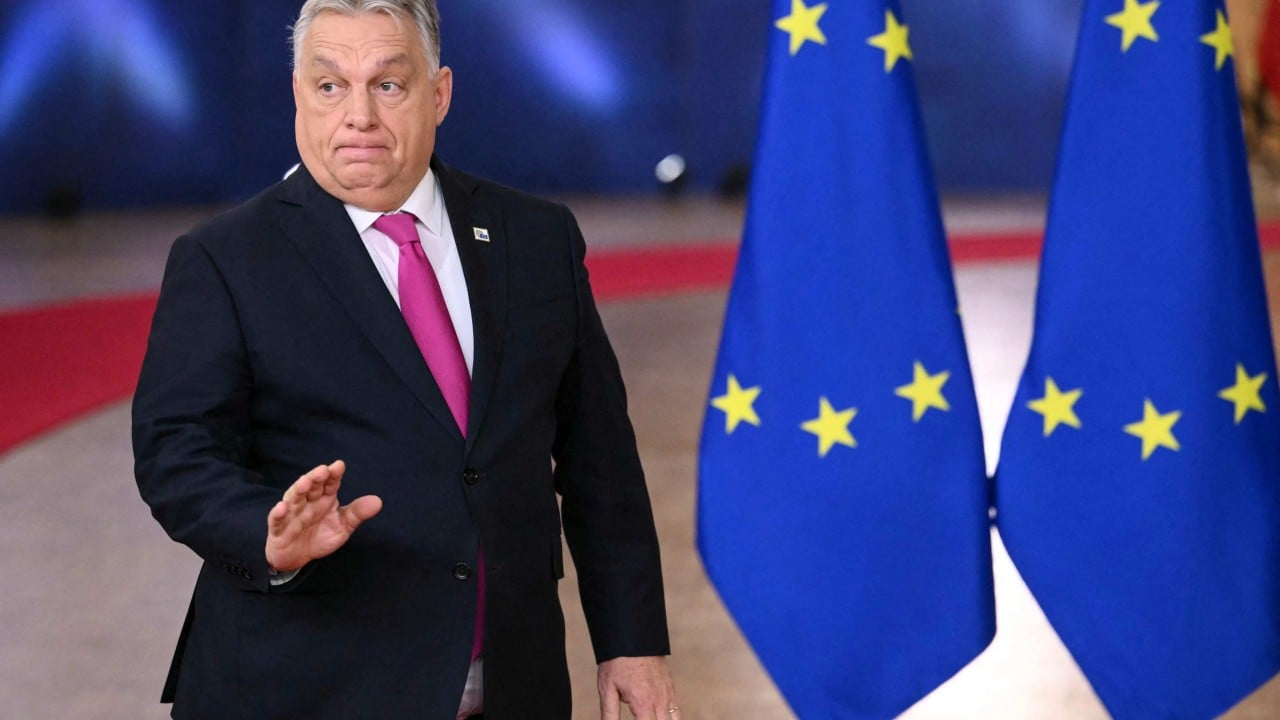
Hungary’s Prime Minister Viktor Orban has threatened to block a new European Union sanctions package against Russia over disagreements regarding oil flows through the Druzhba pipeline. In a recent video statement, Hungarian Foreign Minister Péter Szijjártó accused Ukraine of intentionally halting Russian oil shipments, which have been disrupted since January 27 due to alleged Russian drone attacks. Orban, who maintains close ties with Moscow, has argued that Russian fossil fuels are crucial for Hungary’s economy.
The EU’s foreign ministers were set to meet in Brussels to discuss the 20th round of sanctions aimed at Russia, which coincides with the fourth anniversary of its invasion of Ukraine. However, Hungary’s opposition poses a significant challenge, as the bloc requires unanimous consent to pass any new measures. Szijjártó emphasized that Hungary would not approve the sanctions unless Russian oil deliveries resume.
The Druzhba pipeline, which transports Russian crude through Ukrainian territory to Central Europe, has been a flashpoint in the ongoing conflict. Ukraine claims that Russia is using energy supplies as leverage, while Hungary accuses Ukraine of obstructing shipments. This stand-off highlights the growing tensions between Budapest and Kyiv, with Hungary’s nationalist government prioritizing economic stability over broader EU sanctions against Russia.
This situation underscores the complex interplay between energy dependencies, geopolitical tensions, and international diplomacy. Hungary’s stance could delay or even derail the EU’s efforts to impose further sanctions on Russia, potentially weakening the bloc’s unified response to the conflict in Ukraine. For readers interested in global affairs, this story reveals how economic interests can complicate diplomatic efforts and impact regional stability.
Verticals
worldasia
Originally published on South China Morning Post on 2/22/2026