
‘Hypocritical’: Coalition slams Labor on climate tariffs while seeking Trump reprieve
Sydney Morning Herald
by Mike FoleyFebruary 23, 2026
AI-Generated Deep Dive Summary
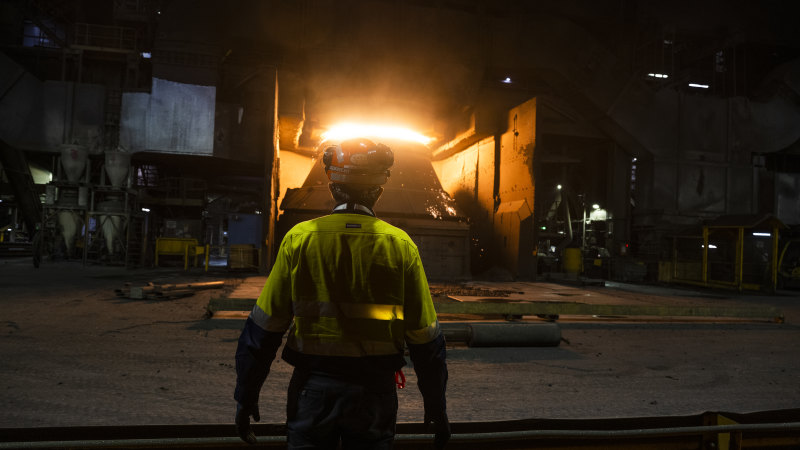
The Australian government has faced criticism from the opposition for what they describe as a hypocritical stance on tariffs. While actively lobbying the U.S. for an exemption from Trump's new 15% global import tariffs, Australia is also considering implementing its own carbon-based import charges targeting high-pollution industries such as steel, cement, and fertiliser. This decision comes amid growing pressure to align with international climate goals while protecting domestic industries.
The proposal to introduce carbon tariffs aligns with a broader shift in Australian trade policy, moving away from decades of deregulation and free trade towards more protectionist measures. Key figures within the manufacturing sector, including the Australian Industry Group and Orica, have expressed support for these potential tariffs, arguing they are necessary to level the playing field between local industries and their overseas competitors with weaker emissions standards.
The government's climate policies aim to reduce Australia's carbon footprint by imposing binding limits on major polluters, requiring them to cut emissions or invest in offsets. These measures are critical for meeting Australia's Paris Agreement commitments, which include a 62% reduction in emissions by 2035. However, critics argue that such policies risk driving production overseas to countries with fewer environmental regulations and lower costs.
Trade Minister Don Farrell has emphasized the importance of free and fair trade while advocating against Trump's tariffs. Meanwhile, opposition leaders like David Littleproud have accused the government of hypocrisy for seeking exemptions from U.S. tariffs while considering their own carbon-based charges. This stance reflects broader tensions between Australia's commitment to climate action and its economic reliance on global trade.
The debate over carbon tariffs highlights the complex interplay between environmental policy and international trade. As countries increasingly adopt protectionist measures to address climate change, Australia's approach will have significant implications for both its domestic industries and its relationship with key trading partners like the U.S. The outcome of these discussions could shape Australia's role in the global economy and its ability to meet its climate goals.
Verticals
worldaustralia
Originally published on Sydney Morning Herald on 2/23/2026