
I came in search of jinns, but the haunting was disappointing: An unremarkable tale from Delhi’s Jamali Kamali
Times of India
by PRECIOUS RONGMEIFebruary 22, 2026
AI-Generated Deep Dive Summary
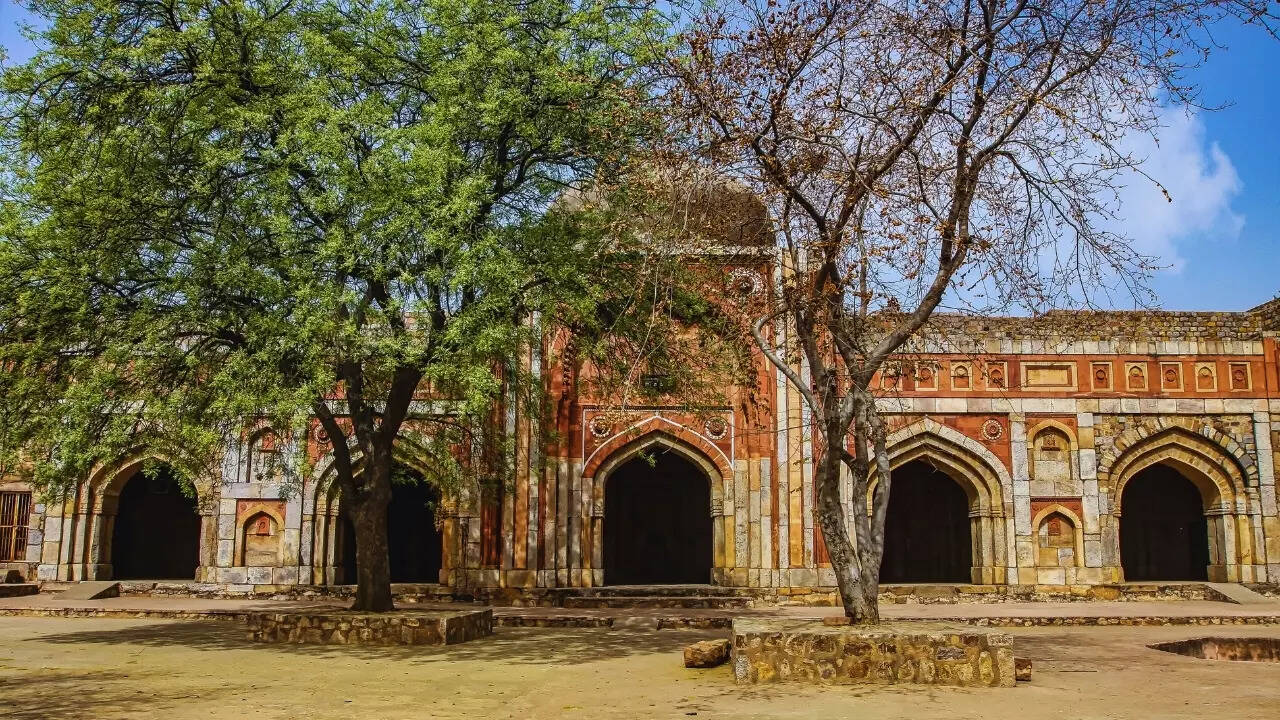
A travel writer ventured to Delhi’s Jamali Kamali Mosque and Tomb, lured by tales of jinns and supernatural encounters. Instead of eerie experiences, the visit revealed a serene yet historically rich site marred by modern neglect. The mosque and tomb, built in the 16th century during the Mughal era, were once shrouded in mystery, with stories of ghostly pushes and unseen forces. However, the writer found an unexpectedly peaceful atmosphere, dominated by silence and natural beauty rather than spooks.
The complex, nestled in the Mehrauli Archaeological Park, was eerily quiet during the visit. The park’s stillness contrasted sharply with the bustling city outside, allowing the centuries-old structure to speak through its architecture. The red sandstone walls, adorned with intricate carvings, exuded warmth and elegance. Yet, signs of modern vandalism were undeniable—names and symbols scratched into the plaster, a stark reminder of humanity’s impact on history.
The heart of the story lies in the clash between folklore and reality. While the writer came seeking jinns, they discovered a place where the real haunting was not supernatural but human. The walls bore scars from neglect and vandalism, highlighting how easily historical sites can be degraded by those who visit them. This narrative challenges perceptions of heritage as mere clickbait, urging a deeper appreciation for its true value.
Ultimately, the experience underscores the importance of reevaluating how we interpret history and cultural landmarks. The Jamali Kamali Mosque and Tomb are not just eerie tales but living witnesses to centuries of human emotions, struggles, and neglect. Their quiet beauty and resilience offer a profound reflection on the interplay between tradition, mythology, and modernity, inviting readers to see beyond myths and appreciate the tangible, enduring legacy of the past.
Verticals
worldasia
Originally published on Times of India on 2/22/2026