
Income Tax out, Import Tax in? Trump’s tariff torment rolls on
Times of India
by CHIDANAND RAJGHATTAFebruary 25, 2026
AI-Generated Deep Dive Summary
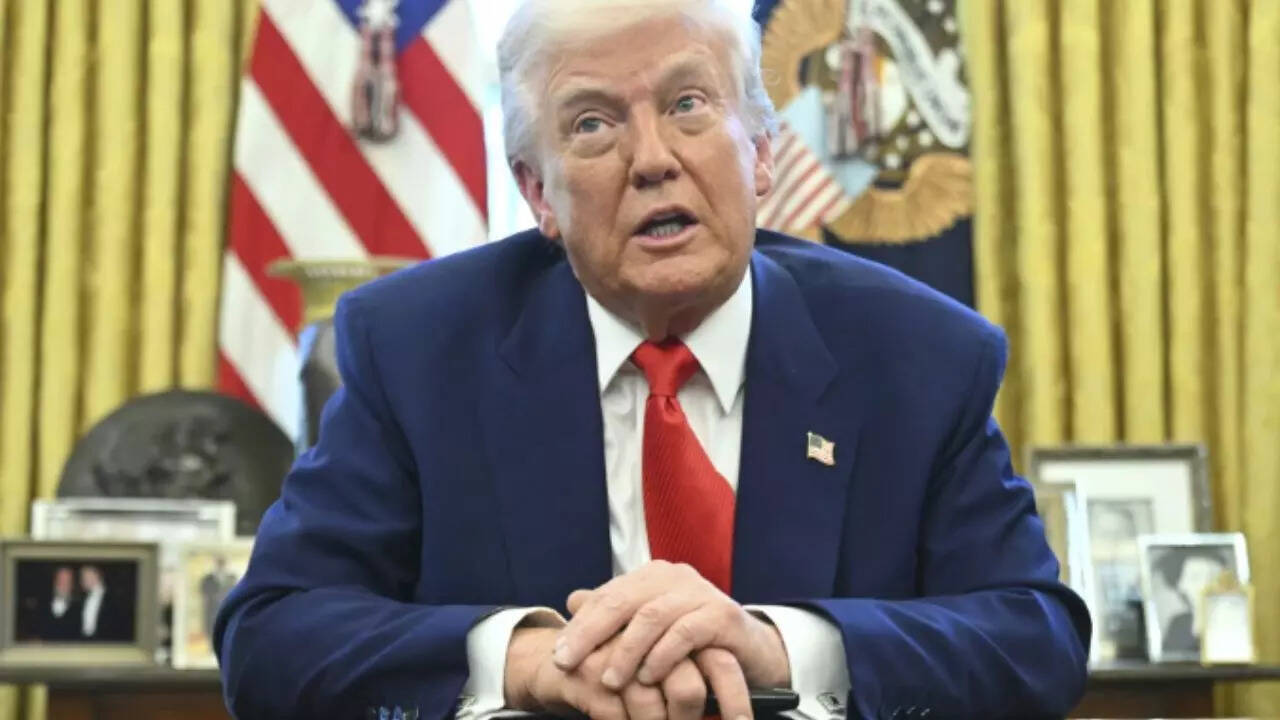
US President Donald Trump delivered a forceful State of the Union address, warning trading partners about the consequences of renegotiating existing trade deals. He emphasized protectionism, doubling down on tariffs as a key tool for achieving prosperity while envisioning a future where import taxes replace federal income taxes. Trump’s proposal to shift the tax burden onto foreign goods aims to “liberate” American workers and drive manufacturing growth, though economists caution that current tariff revenues fall far short of replacing income taxes.
The speech came shortly after a landmark Supreme Court ruling that invalidated Trump’s use of emergency powers to impose tariffs without congressional approval. Despite this setback, Trump announced plans to implement new 15% global tariffs under Section 122 of the Trade Act of 1974, bypassing Congress entirely. This move drew enthusiastic applause from Republican lawmakers but was met with silence and skepticism from Democrats and Supreme Court justices.
Trump’s tariff strategy has been a contentious issue both domestically and internationally. While some corporate leaders and countries have expressed willingness to maintain existing trade deals, others view Trump’s aggressive stance as a threat to global economic stability. The administration’s focus on tariffs aligns with its broader nationalist agenda, prioritizing American interests over international cooperation.
The shift toward relying on tariffs as a primary revenue source is a bold departure from traditional tax policies. While Trump claims this approach will “make America rich again,” critics argue that such a system could harm US manufacturers by raising costs and sparking trade conflicts. The long-term economic impact of this vision remains uncertain, leaving both supporters and opponents closely monitoring its implementation.
This issue matters globally because it reflects a broader shift in US trade policy under Trump, with implications for international relations and the global economy. As Trump continues to push his tariff agenda, the outcome will shape future trade negotiations and influence how other countries respond to American protectionist measures.
Verticals
worldasia
Originally published on Times of India on 2/25/2026