
India and Brazil set sights on US$30 billion trade milestone by 2030
South China Morning Post
by Biman MukherjiFebruary 24, 2026
AI-Generated Deep Dive Summary
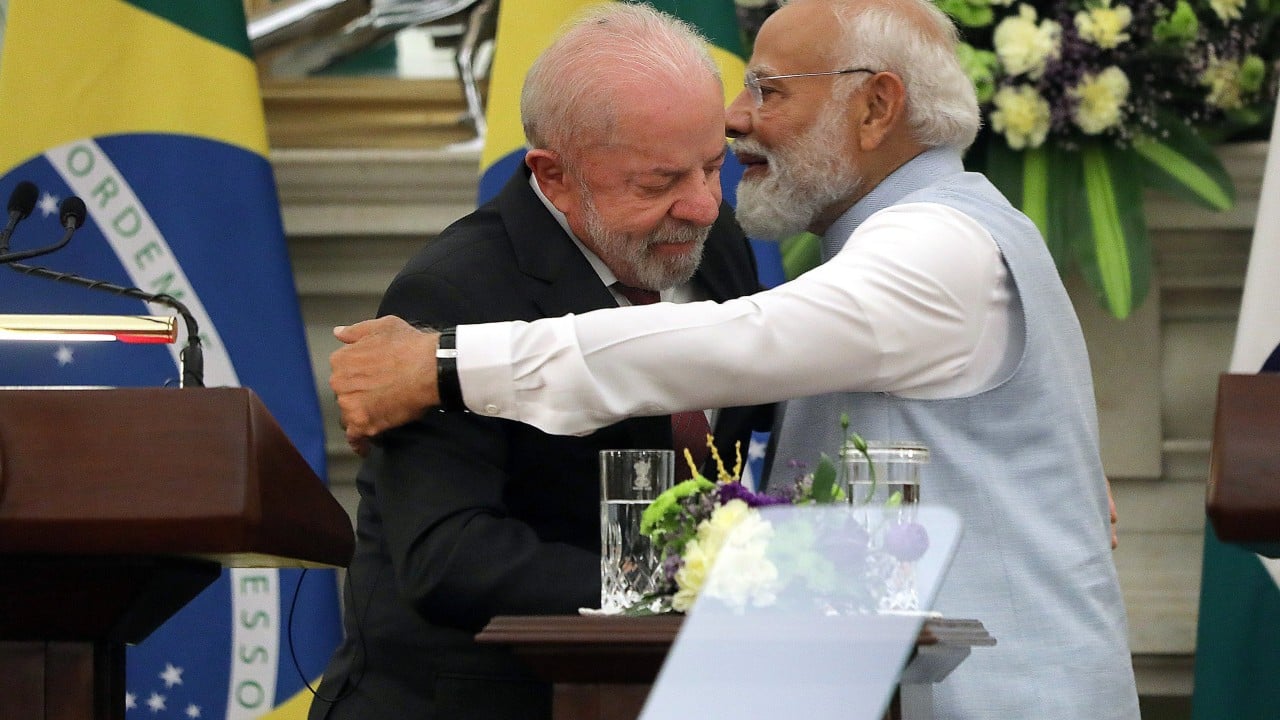
India and Brazil have set their sights on boosting bilateral trade to $30 billion by 2030, marking a significant step in their growing partnership. During Brazilian President Luiz Inacio Lula da Silva’s five-day visit to India, the two nations signed several agreements spanning rare earths, digital infrastructure, and innovation. These deals underscore their commitment to deepening ties beyond traditional Western markets, reflecting a broader shift among developing economies to diversify trade relationships amid global uncertainty.
The agreement on rare earths stands out as a key component of the partnership. Brazil boasts the world’s second-largest reserves of critical minerals, which are essential for producing technologies ranging from smartphones to advanced defense systems. This collaboration not only enhances India's access to these resources but also positions both nations at the forefront of global supply chain diversification. Additionally, the focus on digital infrastructure and AI highlights their shared vision for future growth and innovation.
The meeting between Indian Prime Minister Narendra Modi and Brazilian President Lula took place against the backdrop of India assuming the rotating BRICS chairmanship in January. This strategic alignment reinforces their role as founding members of the BRICS bloc, which aims to promote a more multipolar world order. Experts like Vivek Mishra, deputy director at the Observer Research Foundation, emphasize that this partnership could serve as a catalyst for broader economic ties between India and Latin America.
As global trade dynamics continue to evolve, India and Brazil’s collaboration signals a shift toward stronger South-South cooperation. Their focus on rare earths and innovation not only diversifies their economies but also positions them as key players in shaping the future of global trade. This move could have far-reaching implications for international relations, particularly as developing nations seek greater influence in global affairs.
Ultimately, this partnership matters because it reflects a broader trend of countries like India and Brazil asserting their roles on the world stage. By deepening ties in critical areas such as rare earths and AI, they are not only securing their economic futures but also contributing to a more balanced global order.
Verticals
worldasia
Originally published on South China Morning Post on 2/24/2026