
IndiGo plans to hire over 1,000 pilots after December's crew crunch
Times of India
by TOI BUSINESS DESKFebruary 14, 2026
AI-Generated Deep Dive Summary
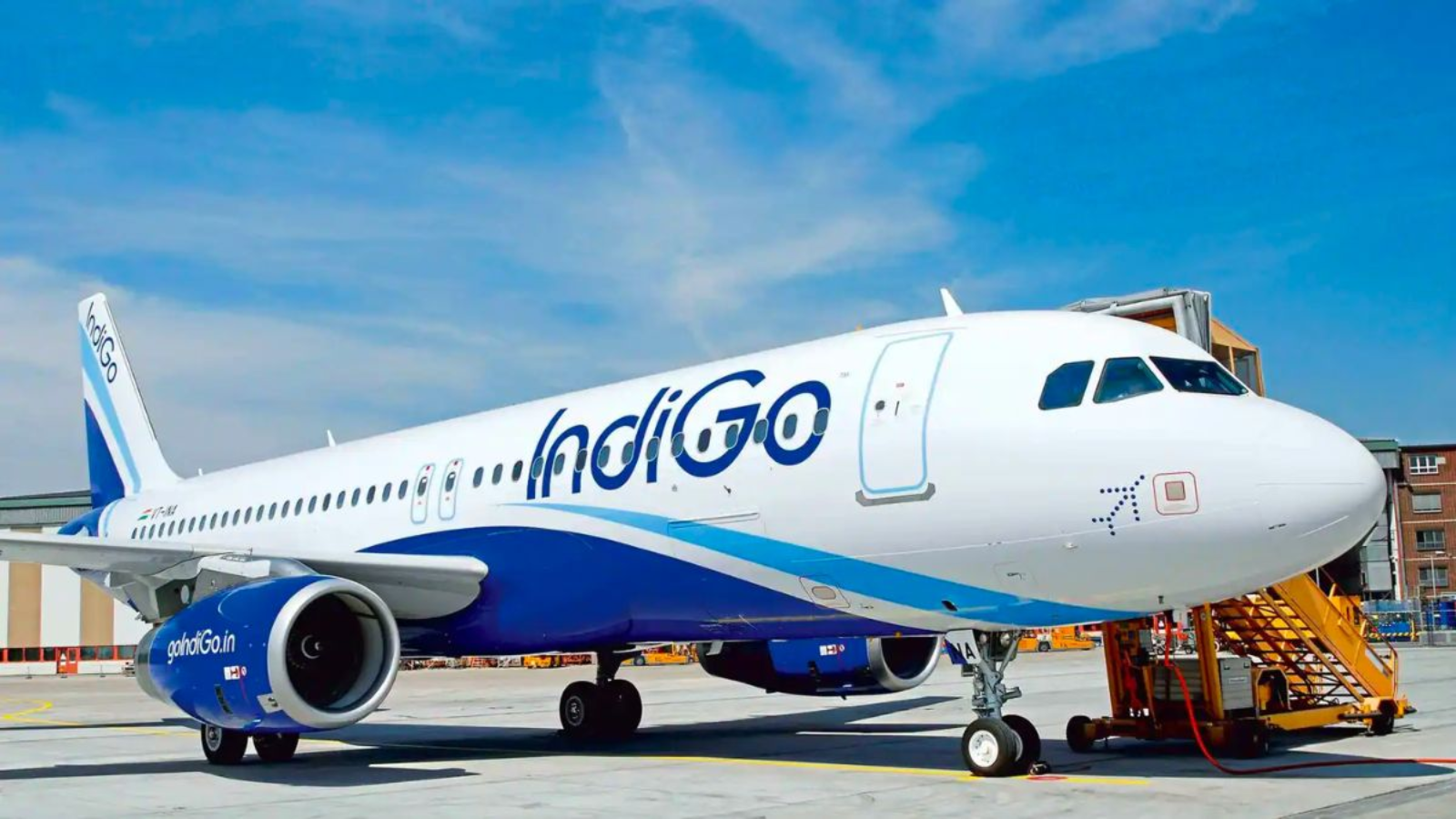
IndiGo, India’s largest airline, is planning to hire over 1,000 pilots in response to last December’s crew crunch, which disrupted operations and led to the cancellation of more than 5,000 flights within seven days. The recruitment drive aims to address long-standing issues with pilot shortages and overwork, as revealed by a Directorate General of Civil Aviation (DGCA) review. The probe found that IndiGo had stretched its pilots through repeated reassignments, longer duty hours, and increased deadheading—where crew are moved as passengers to operate flights elsewhere. These practices contributed to the airline’s operational instability.
The hiring spree will focus on trainee first officers, senior first officers, and commanders, with IndiGo also opening applications from candidates without prior experience on its primary aircraft, the Airbus A320. The carrier is now adjusting its network planning to create more buffer time in daily operations, raising the margin from almost no buffer in December to 3% this month. Additionally, standby crew availability has been increased to a minimum of 15%. IndiGo’s fleet expansion continues at a brisk pace, with about four aircraft joining the airline each month on average.
The training process remains a significant challenge, as trainee first officers require around six months of training before they can operate flights. Promotions to captaincy also demand extensive experience, typically at least 1,500 hours of flying. IndiGo’s intense utilization levels mean it needs more than twice the baseline requirement of three sets of pilots per aircraft (including one captain and one first officer). While the airline had a slight shortage of captains in December, with 2,422 needed but only 2,357 available, the new hiring push aims to alleviate this strain.
The DGCA stepped in with temporary relaxations on night-duty restrictions until February 10. Its findings highlighted IndiGo’s focus on maximizing crew and aircraft utilization, which reduced roster buffer margins and left little room for recovery during disruptions. The regulator emphasized that such practices weakened roster integrity and hurt operational resilience. By addressing these issues through increased hiring, better training, and improved network planning, IndiGo is aiming to enhance its operational stability as it continues to expand its fleet and meet growing passenger demand.
This move by IndiGo not only addresses immediate challenges but also sets a precedent for the broader aviation industry, underscoring the importance of sustainable crew management practices in maintaining safe and efficient air travel. For readers interested in global business and transportation trends, this reflects the ongoing pressures faced by airlines to balance growth with workforce planning, particularly in
Verticals
worldasia
Originally published on Times of India on 2/14/2026