
Japan’s ‘Traitor Takaichi’ hit with online smear campaign using fake accounts
South China Morning Post
by SCMP’s Asia deskFebruary 23, 2026
AI-Generated Deep Dive Summary
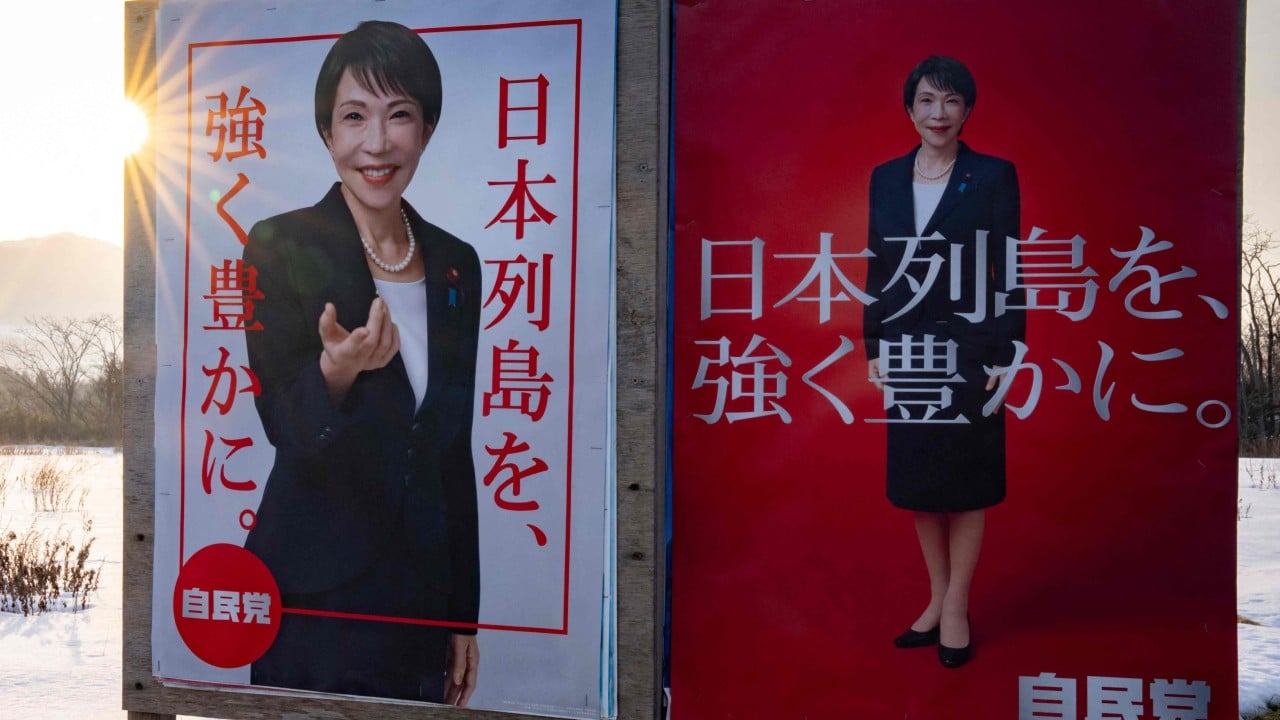
Japan’s Prime Minister Sanae Takaichi has been targeted by a coordinated online smear campaign involving thousands of fake social media accounts, according to a study by Tokyo-based Japan Nexus Intelligence. The research revealed that approximately 3,000 accounts had been actively spreading malicious content about Takaichi since late January, with activity intensifying just ahead of the House of Representatives election in early February. These accounts posted a variety of false claims, including allegations that she “opened the path to military expansion and historical revisionism,” “bought votes from the Unification Church,” and was responsible for increasing social security burdens on younger generations.
The fake posts were circulated in both English and Japanese, with Japanese-language messages exhibiting awkward phrasing and linguistic quirks indicative of machine translation. Additionally, some posts used simplified Chinese characters, which are not commonly seen in Japan. The accounts also blended Japanese katakana script with Chinese characters (kanji) in their names, further raising suspicions about their origin and intent.
The campaign appears to have been designed to evade detection, with one-third of the accounts generating original content while the rest amplified it through reposts. Most accounts had only a few entries each, a pattern analysts believe reflects an effort to avoid being identified as fake or coordinated activity. This sophisticated manipulation underscores the growing threat of online disinformation campaigns targeting political figures and institutions, particularly during election periods.
The incident highlights the challenges of maintaining election integrity in the digital age and raises concerns about foreign interference in Japan’s internal affairs. As global scrutiny on election meddling increases, this case serves as a cautionary tale for other nations grappling with similar threats to democratic processes. The use of AI-generated content and linguistic anomalies further complicates efforts to identify and counter such campaigns, emphasizing the need for robust digital monitoring and international cooperation to safeguard electoral systems from malicious actors.
In an era where social media plays a pivotal role in shaping public opinion, this incident underscores the urgent need for greater transparency and regulation in online spaces. It also prompts questions about the potential influence of foreign entities on domestic politics and the importance of protecting democratic institutions from digital manipulation. As Japan continues to navigate these challenges, the case of Prime Minister Takaichi serves as a stark reminder of the evolving landscape of political warfare in the modern world.
Verticals
worldasia
Originally published on South China Morning Post on 2/23/2026