
Jets, warships and bombers: Inside Washington’s expanding military squeeze on Iran
Times of India
by TOI WORLD DESKFebruary 19, 2026
AI-Generated Deep Dive Summary
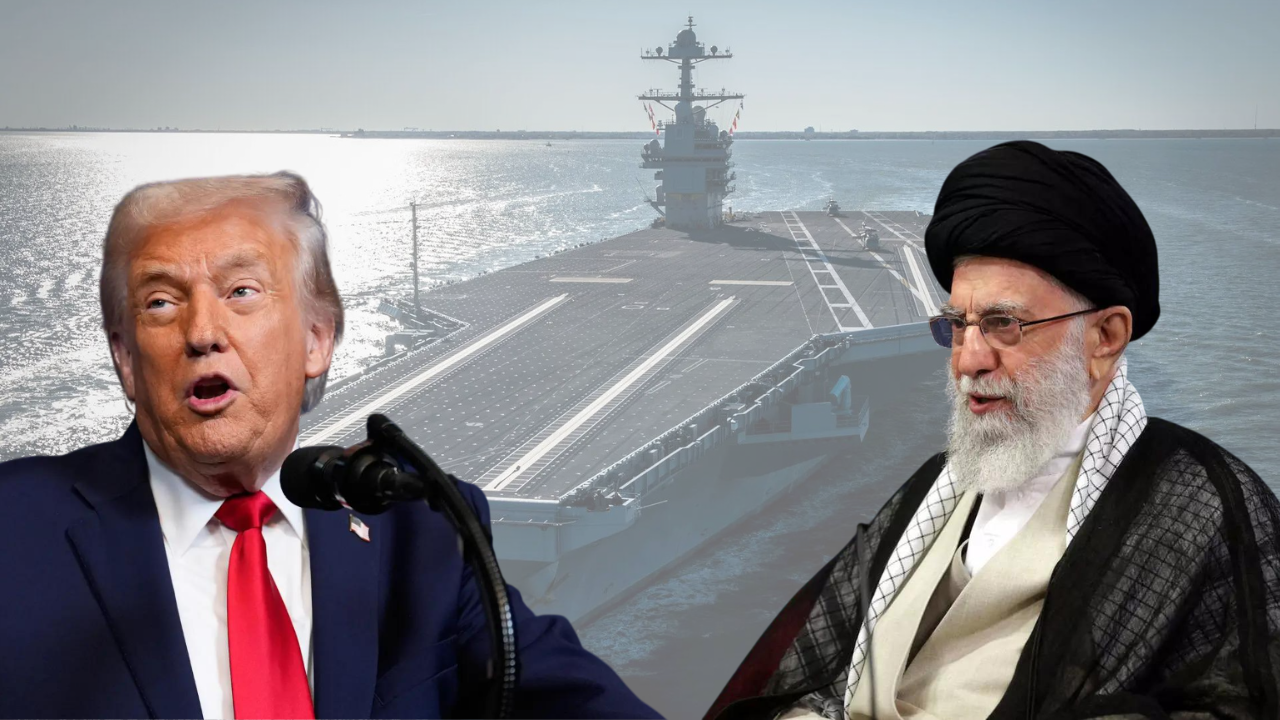
As tensions escalate between the United States and Iran, President Donald Trump has significantly bolstered American military presence in the Middle East, signaling a readiness for potential action if nuclear negotiations with Iran collapse. The deployment includes aircraft carriers, warships, bombers, and missile defenses, reminiscent of the buildup before last year’s strikes on Iranian nuclear facilities but on an even larger scale. This move underscores the Trump administration's tough stance and highlights the growing possibility of military confrontation.
At the forefront of this deployment is the USS Abraham Lincoln carrier strike group, positioned near Oman, with F-35 stealth fighters and F/A-18s within striking range of Iran. A second advanced carrier, the USS Gerald R. Ford, is en route to the Mediterranean, further expanding the US's offensive capabilities. With 13 destroyers and a nuclear submarine in the region, Washington gains flexibility for precision strikes or broader campaigns against Iranian targets. The naval presence is complemented by a surge in air assets, including F-22s, F-35s, and MQ-9 Reaper drones, as well as electronic warfare planes and reconnaissance aircraft.
The military buildup also includes enhanced missile defense systems like Patriots and THAAD to protect forces from potential Iranian retaliation. Approximately 30,000–40,000 troops are already stationed in the region, mirroring the posture before last June’s strikes on Iranian nuclear sites. This deployment enables sustained operations without relying on Gulf states, which fear hosting offensive missions.
Despite this significant military presence, diplomacy remains a formal approach. Recent indirect talks in Geneva showed "good progress," but key disputes over Iran's nuclear enrichment and missile programs persist. Tehran has refused to limit its missile activities, while the Trump administration demands curbs on both. The situation raises global concerns about potential escalation, with implications for US foreign policy and regional stability.
The ongoing military buildup and diplomatic efforts highlight the high stakes of the US-Iran relationship. As tensions rise, the world watches closely for any signs of de-escalation or further confrontation, with significant consequences for global security and Middle East dynamics.
Verticals
worldasia
Originally published on Times of India on 2/19/2026