
K-pop’s big freeze: are cracks in China’s cultural blockade a thaw?
South China Morning Post
by Alyssa ChenFebruary 21, 2026
AI-Generated Deep Dive Summary
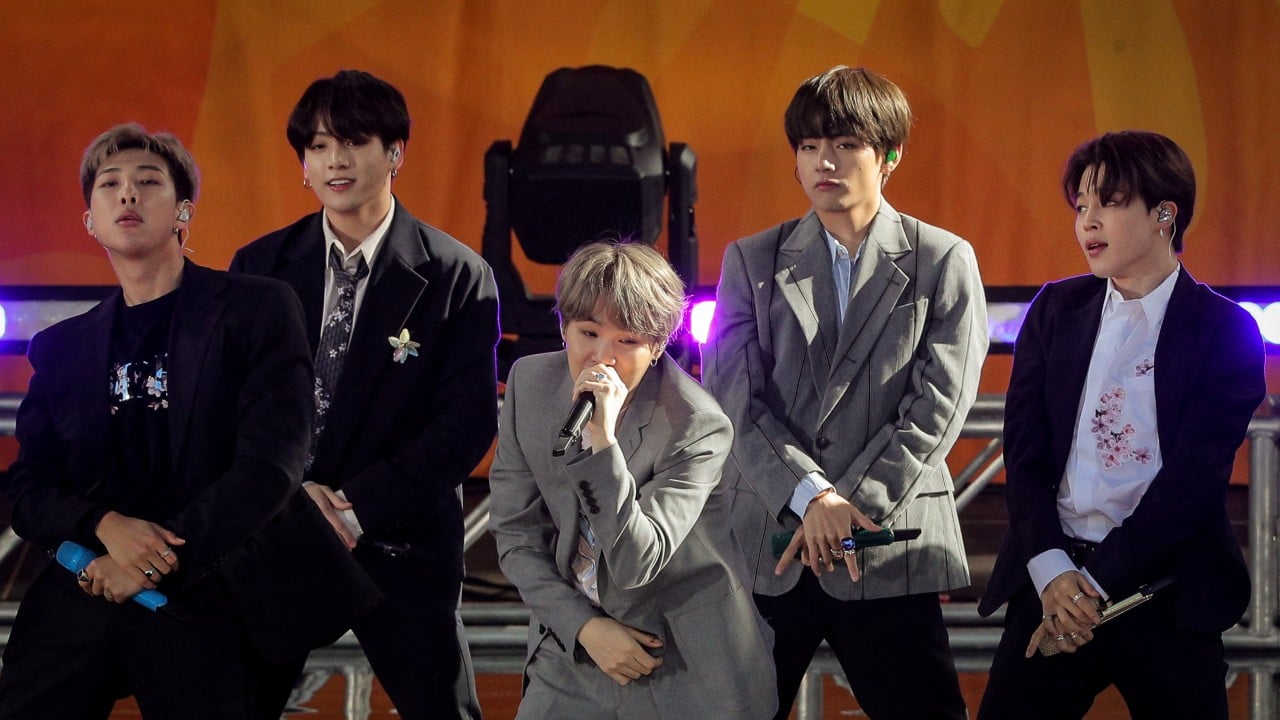
K-pop has conquered global audiences, yet South Korea's entertainment industry remains largely excluded from China due to ongoing geopolitical tensions. This divide began in 2016 when China unofficially banned South Korean entertainment products following Seoul's deployment of the US THAAD system, which Beijing opposed. Consequently, K-pop concerts were canceled, and dramas vanished from Chinese streaming platforms, illustrating the far-reaching impact of political disputes on cultural exchange.
The THAAD controversy significantly strained Sino-South Korean relations. China's actions extended beyond cultural realms, affecting economic ties and diplomatic interactions. This move reflected Beijing's broader strategy to leverage soft power in international relations, using cultural barriers as a tool during periods of tension.
Despite the chill, signs suggest a potential thaw. Recent resumptions of K-pop concerts in China and tentative appearances on streaming platforms hint at easing restrictions. However, this cautious approach underscores the delicate balance between political and economic interests, with both nations weighing cultural engagement against strategic priorities.
This situation highlights the complex interplay between culture and geopolitics. For readers interested in global affairs, it offers insights into how international relations can influence cultural markets and soft power dynamics. The potential easing of restrictions could open doors for South Korean entertainment while reflecting shifts in broader diplomatic relations with China.
The evolving landscape underscores the significance of cultural diplomacy in modern international relations. As both nations navigate this nuanced relationship
Verticals
worldasia
Originally published on South China Morning Post on 2/21/2026