
Kamal Maula Mosque at MP's Bhojshala built using parts of ancient temples, says Archaeological Survey of India
Times of India
by SALIL MEKAADFebruary 24, 2026
AI-Generated Deep Dive Summary
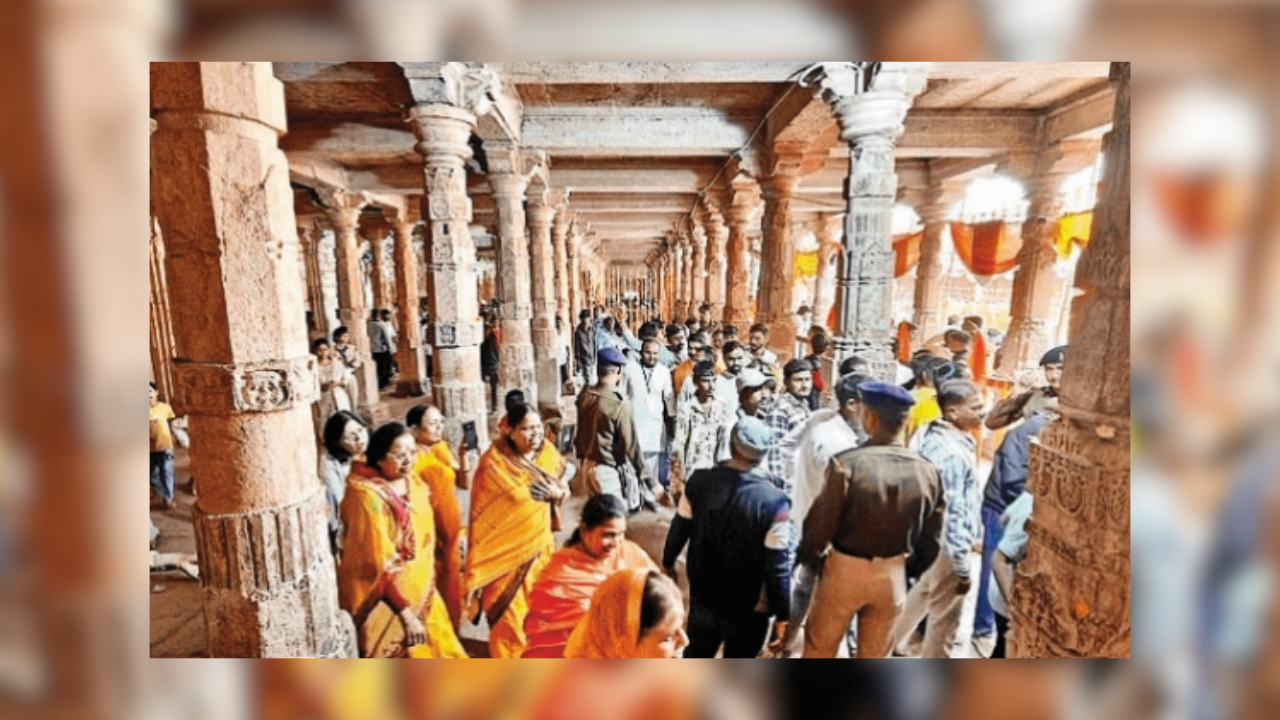
The Archaeological Survey of India (ASI) has revealed that the Kamal Maula Mosque at Bhojshala in Madhya Pradesh was constructed using remnants of ancient temples dating back to the Paramara dynasty. This conclusion, based on a comprehensive scientific investigation involving excavation, analysis, and study of architectural elements, sculptures, and inscriptions, suggests that the structure incorporates dismantled temple materials from an earlier era. The report, submitted to the MP High Court, indicates that the mosque was built centuries later with little regard for symmetry or design uniformity.
The ASI's 2,000-page report, spanning 10 volumes, highlights the discovery of numerous sculptures and fragments, many of which were defaced or chiselled out. These findings include depictions of deities like Ganesh, Brahma, Narasimha, and Saraswati, as well as animal and mythical figures. The report also suggests that Bhojshala may have originally been a temple dedicated to the goddess Saraswati. This revelation has sparked significant interest among Hindu communities, who view it as confirmation of the site's ancient religious significance.
The court has directed all parties involved in the ongoing dispute over the religious character of the site to file objections and suggestions within two weeks. Petitioners, including representatives from the Hindu community, have welcomed the ASI's findings as a major breakthrough. They argue that the report supports their claim that the site holds deep historical and cultural importance for Hindus. Meanwhile, the mosque's stakeholders are yet to respond formally.
This case underscores the complex interplay between religious identity, historical heritage, and legal ownership in preserving ancient sites. The outcome of this legal battle could set a precedent for similar disputes globally, particularly in regions with overlapping religious claims on historic landmarks. As the next hearing approaches, all eyes remain on whether the ASI's findings will lead to a resolution that respects both cultural history and contemporary religious sentiments.
The ASI's meticulous scientific approach has provided valuable insights into the site's origins, offering a bridge between historical evidence and modern debates. The discoveries not only shed light on India's rich archaeological landscape but also highlight the importance of preserving such sites for future generations. As the legal process unfolds, the Bhojshala-Kamal Maula Mosque dispute remains a focal point for discussions on heritage preservation and religious identity in South Asia.
Verticals
worldasia
Originally published on Times of India on 2/24/2026