
Khamenei Is Dead. Who’s In Charge of Iran?
Foreign Policy
by Alireza Nader and Nik KowsarMarch 2, 2026
AI-Generated Deep Dive Summary
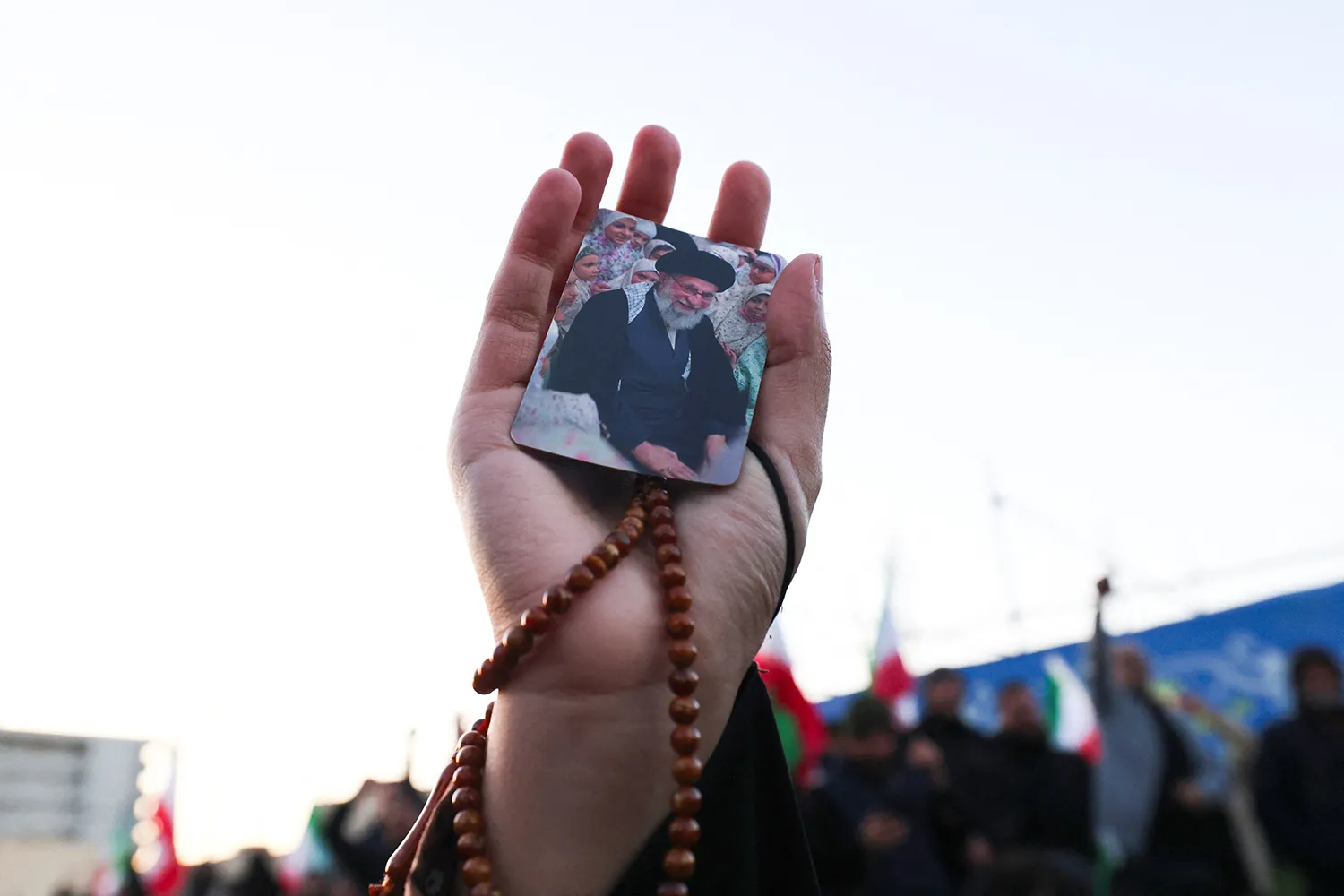
The death of Ayatollah Ali Khamenei, Iran’s supreme leader, has sent shockwaves through the political landscape of the country. While his passing could pave the way for significant change, it does not guarantee an immediate collapse of the regime or a swift transition to a new order. The Islamic Republic, despite its weakened state, has shown resilience in the past and remains deeply entrenched in Iranian society. Khamenei’s death marks a pivotal moment, but the road ahead is fraught with challenges for both the regime and its opponents.
Following Khamenei’s assassination, which the article attributes to Israel, a leadership council was swiftly established to manage succession. Ali Larijani, a key figure within Iran’s security and clerical establishments, emerged as the central coordinator of this transitional body. His efforts aim to maintain institutional control, align rival factions, and solidify the regime’s continuity. This move highlights the regime’s ability to adapt and ensure its survival, even in times of crisis.
The opposition, however, remains fragmented and lacks a unified vision for the future. While many Iranians celebrated Khamenei’s death, others mourned it, underscoring the deep divisions within society. The regime has historically relied on ideological roots and loyalty from significant portions of the population to maintain control. Its security forces remain a formidable power, capable of mobilizing large numbers to uphold the status quo.
The article also raises questions about the feasibility of achieving regime change through external means, such as air strikes or sanctions, without direct military intervention. While the Islamic Republic may be at its weakest point since its founding in 1979, it still commands significant resources and loyalty from key segments of society. This resilience suggests that any push for regime change will face considerable obstacles.
Ultimately, Khamenei’s death marks a turning point for Iran, but the outcome remains uncertain. The regime’s ability to navigate this crisis while maintaining control over its institutions and population will be critical in determining its future trajectory. For global observers, particularly those interested in Middle Eastern politics and international relations, this situation offers insight into the complexities of achieving meaningful change in authoritarian regimes.
Verticals
politicsinternational
Originally published on Foreign Policy on 3/2/2026