
Labor’s plan for dozens more MPs could bring back Frydenberg
Sydney Morning Herald
by Paul SakkalFebruary 25, 2026
AI-Generated Deep Dive Summary
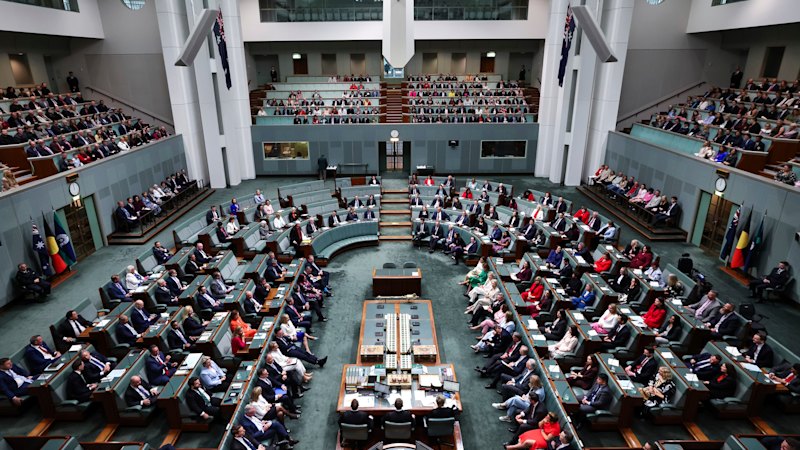
Labor’s proposal to expand Australia’s parliament by adding 40 new seats has sparked a heated debate, particularly within the Coalition. The move aims to address the growing population and the strain it places on current electoral representation. Currently, each lower house MP represents an average of over 120,000 people, up from 66,000 in 1984 when parliament was last expanded under Bob Hawke. Special Minister of State Don Farrell argues that strengthening institutions is crucial in the face of global democratic challenges.
While some Liberal MPs and strategists view the expansion as an opportunity to refresh their party room and boost candidates like Gisele Kapterian, the Liberal Party as a whole opposes the plan, arguing that more politicians are not the solution. The Nationals, however, have expressed openness to supporting the proposal, particularly in rural areas with vast electorates like Maranoa, which covers 42% of Queensland. They believe smaller electorates could better serve remote communities.
Farrell’s plan includes increasing Senate representation by adding 12 seats across states and boosting House of Representatives seats by up to 28. This would create new opportunities in growing urban centers like Melbourne and Sydney, though critics warn it could disproportionately benefit Labor. The proposal faces challenges, including the need for bipartisan support and potential delays before the next election.
The debate over parliament expansion highlights broader concerns about representative governance and the adaptability of democratic institutions. As populations grow and electorates expand, questions arise about whether increasing the number of MPs can effectively address these challenges or if it risks diluting political accountability. This issue is not just a local concern but part of a global conversation about how democracies evolve to meet modern demands.
The proposal’s outcome will depend on balancing competing interests: the need for stronger representation versus concerns about bloating institutions and diverting resources away from pressing policy priorities. With the next election looming, the success of this plan hinges on whether Labor can secure
Verticals
worldaustralia
Originally published on Sydney Morning Herald on 2/25/2026