
'Like 1990 Persian Gulf War I': Ex-Nato commander warns US Middle East buildup mirrors 'Dante’s Inferno'
Times of India
by TOI WORLD DESKFebruary 24, 2026
AI-Generated Deep Dive Summary
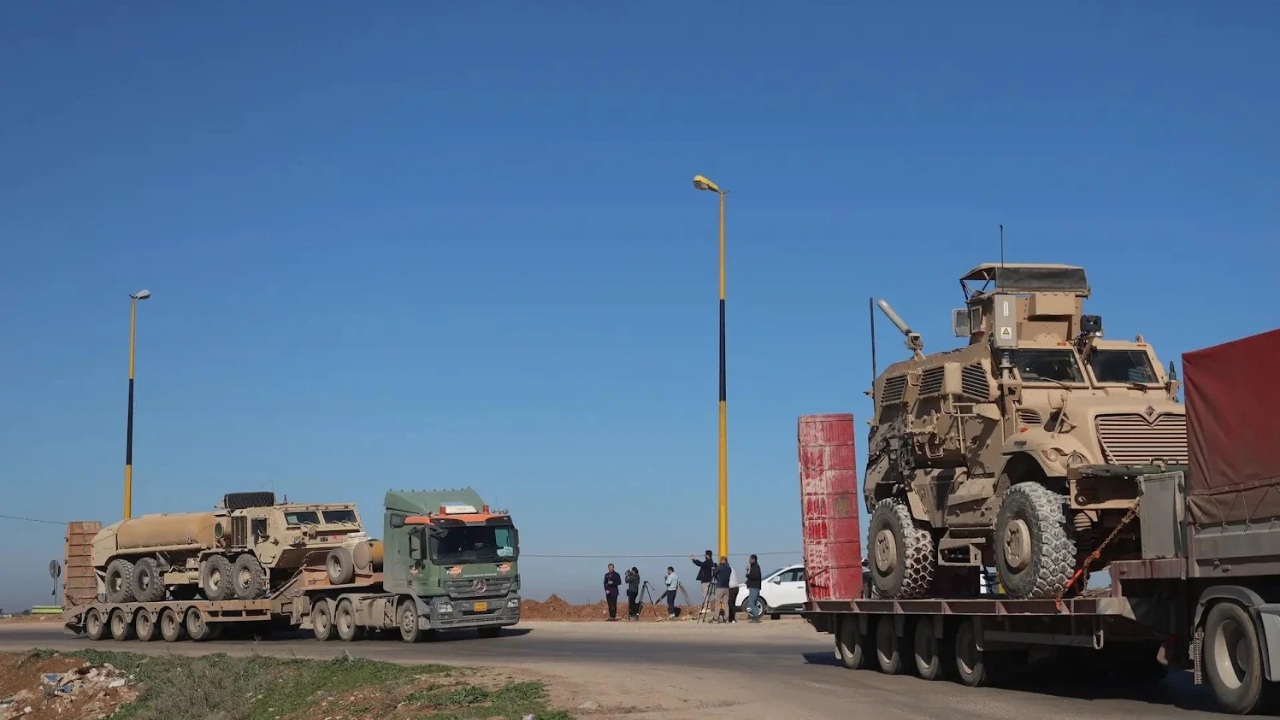
The recent US military buildup in the Middle East has been likened to a "Dante's Inferno" by former NATO commander Admiral James Stavridis, who compared it to the Persian Gulf War of 1990. Speaking to CNN, he described the layered deployment as a concentric ring structure, starting with strategic bombers capable of long-range operations and moving inward to aircraft carriers positioned in the northern Indian Ocean and near Israel. Each carrier group is equipped with advanced F-35s and F/A-18 Hornets, along with missile capabilities, drones, cyber tools, and land-based air force assets. This military presence, Stavridis said, creates a formidable force aimed directly at Iran, with Ayatollah Khamenei at its center.
The buildup reflects escalating tensions between the US and Iran, driven by President Donald Trump's hardline stance against Tehran. The US has already ordered nonessential diplomatic staff to leave Lebanon due to rising regional instability, which is seen as a precautionary measure ahead of potential military strikes on Iran. Meanwhile, Iran has vowed fierce retaliation if attacked, warning of possible regional conflict following Trump's latest threats.
Stavridis' comments come amid heightened diplomatic efforts to de-escalate tensions, with US-Iran negotiations set to take place in Geneva. While the admiral acknowledged the need for caution and diplomacy, he emphasized the significance of the US military presence as a show of force. This situation underscores the delicate balance of power in the Middle East and raises concerns about the potential for further escalation.
The comparison to "Dante's Inferno" highlights the intensity and complexity of the current geopolitical landscape, where historical parallels and military strategy are being closely analyzed. The situation not only impacts US-Iran relations but also has broader implications for global stability, making it a critical issue for readers interested in world affairs.
Verticals
worldasia
Originally published on Times of India on 2/24/2026