
Lower tariffs, revenue setback & more: What SC ruling means for Trump’s economic agenda
Times of India
by TOI BUSINESS DESKFebruary 20, 2026
AI-Generated Deep Dive Summary
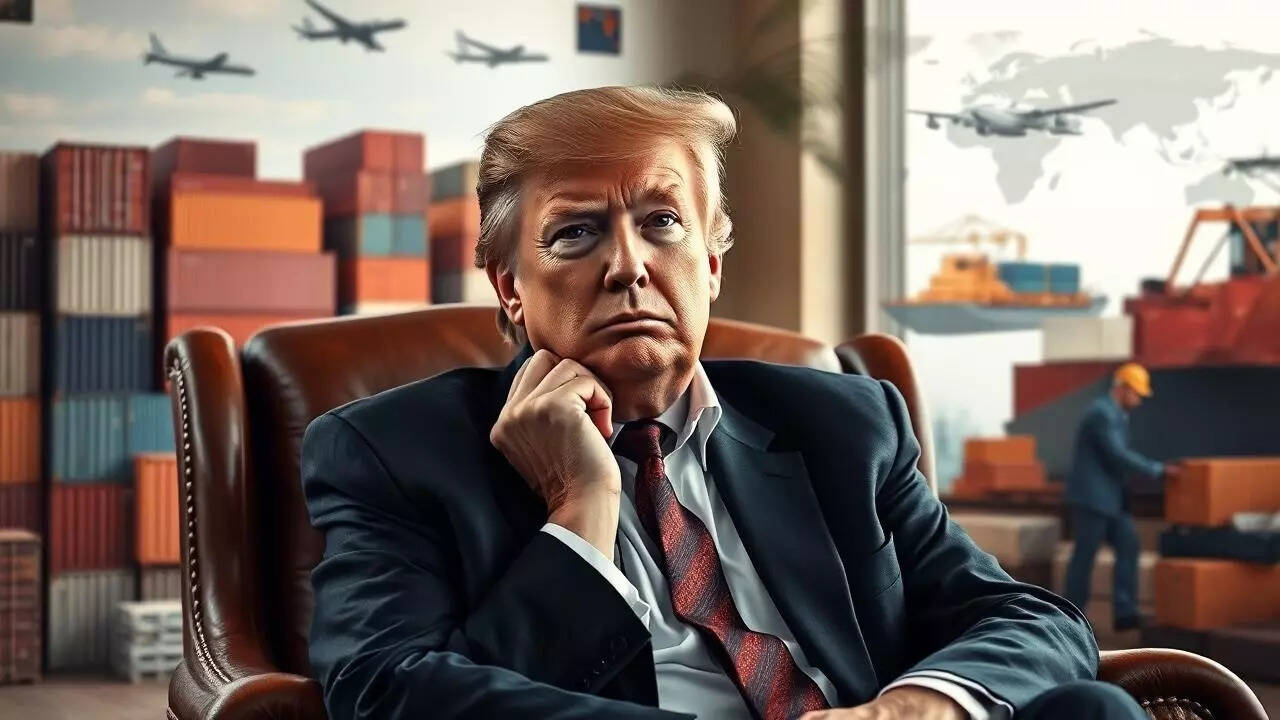
The U.S. Supreme Court has delivered a significant blow to President Donald Trump’s signature economic policy by ruling that his imposition of tariffs under the International Emergency Economic Powers Act (IEEPA) was unconstitutional. This decision marks a major setback for Trump’s trade agenda, as it limits the president’s ability to unilaterally impose tariffs based on emergency powers. The court’s ruling has far-reaching implications, including potential reductions in U.S. tariff rates and impacts on federal revenue.
The Supreme Court’s decision invalidates the legal basis for certain tariffs that Trump had levied under IEEPA, which allows the president to impose economic sanctions during national emergencies. While this does not immediately eliminate all tariffs, it significantly limits their scope and effectiveness. Analysts estimate that removing these emergency-based tariffs would lower the average effective tariff rate from 16.9% to around 9.1%, the highest level seen since 1946. This could lead to reduced prices for consumers and businesses, as well as potential refunds for companies that paid the invalidated tariffs.
The ruling also raises questions about Trump’s ability to use tariffs as a tool for national security or in trade negotiations. While he has argued that other legal mechanisms allow him to maintain tariff authority, experts suggest this decision could reduce his flexibility in deploying tariffs as a bargaining chip. This is particularly significant given ongoing trade relations with key partners like China and India, where Trump had previously imposed high tariffs.
Economists predict that the court’s ruling will impact federal revenues, which had been bolstered by the invalidated tariffs. While the exact financial implications remain unclear, estimates suggest that these tariffs generated between $130 billion to $140 billion in revenue by 2025. However, companies affected by the ruling may now seek refunds through legal action, potentially adding fiscal strain on the government.
The Supreme Court’s decision not only reshapes U.S. trade policy but also underscores a broader shift in how presidential powers are interpreted under the law. This ruling could have long-term consequences for future administrations, limiting the ability of presidents to impose tariffs without explicit congressional authorization. For now, however, it marks a significant win for
Verticals
worldasia
Originally published on Times of India on 2/20/2026