
Mad king: Trump just lost his superpower
Sydney Morning Herald
by Stephen BartholomeuszFebruary 23, 2026
AI-Generated Deep Dive Summary
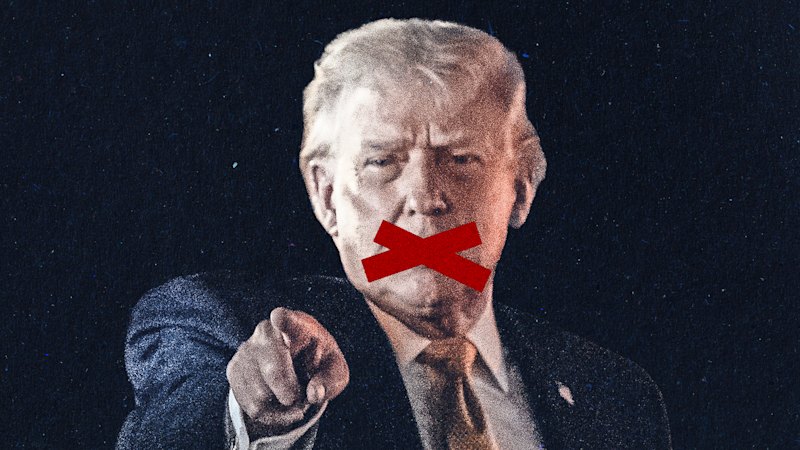
The US Supreme Court has significantly curtailed Donald Trump's ability to use tariffs as a geopolitical tool, effectively stripping him of what many considered his most powerful weapon in international relations. Since regaining the presidency last year, Trump had relied heavily on the International Emergency Economic Powers Act (IEEPA) to coerce countries into one-sided trade deals and impose economic penalties. However, with this ruling, Trump's "superpower" has been diminished, leaving him without the unilateral authority to levy tariffs as he saw fit.
The IEEPA allowed Trump to weaponize tariffs in ways that unsettled even close US allies. He used these powers to pressure Brazil over the imprisonment of his ideological ally Jair Bolsonaro, penalize Switzerland for diplomatic tone, and push European countries to hand over Greenland. The law gave Trump king-like authority, enabling him to impose tariffs without significant restrictions and generating billions in revenue for the US treasury. This funding was supposed to support farmers hurt by retaliatory trade actions and provide direct payments to American households.
However, the Supreme Court's decision has dealt a blow to this strategy. Up to $175 billion in tariff revenue may now have to be refunded to importers, and Trump’s ability to impose tariffs on a whim is no longer possible. While he has turned to alternative mechanisms, such as Section 122 of the Trade Act of 1974, these options are less flexible and subject to congressional approval. This shift marks a significant departure from Trump's previous dominance in trade policy.
The loss of this superpower has major implications for global trade dynamics. Countries no longer feel compelled to surrender to Trump's demands under the threat of punitive tariffs. Instead, they can negotiate on equal terms, knowing that any future US trade actions will be subject to greater scrutiny and regulation. This shift could lead to a more balanced approach in international relations, reducing the unilateral leverage the US has long enjoyed.
For readers interested in global trade and geopolitics, this development underscores the shifting power dynamics in international relations. Trump's reliance on tariffs as a tool of coercion may no longer be effective, potentially altering how the US engages with other nations and reshaping the global trade landscape. The ruling also highlights the growing skepticism among Congress and courts about expansive executive
Verticals
worldaustralia
Originally published on Sydney Morning Herald on 2/23/2026