
Major WA fishing ban primed for probe after Greens support
Sydney Morning Herald
by Hamish HastieFebruary 26, 2026
AI-Generated Deep Dive Summary
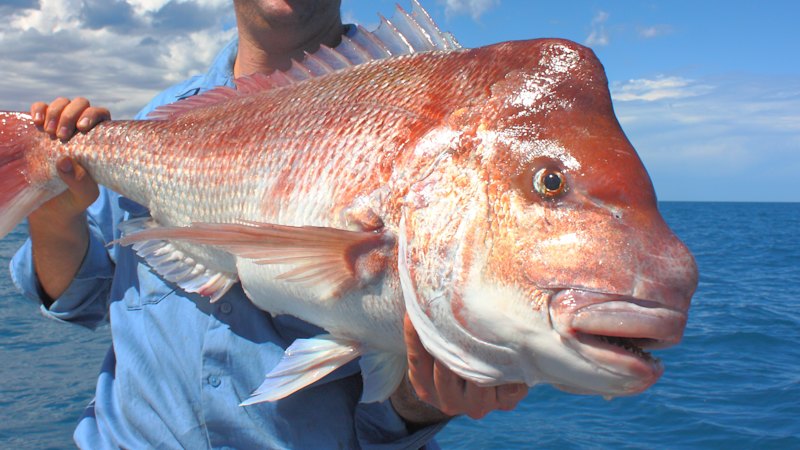
A major fishing ban along Western Australia’s coast is under scrutiny after a petition calling for an inquiry gathered over 27,000 signatures and was tabled in the WA Parliament. The controversial ban, which restricts recreational fishing for bottom-dwelling species and imposes indefinite commercial fishing bans in certain regions, has sparked significant debate. While the government claims the restrictions are necessary to protect declining fish stocks like snapper and dhufish, critics argue that the science supporting these measures is flawed.
The inquiry into the ban’s scientific basis could begin after a disallowance motion to revoke the ban fails in the upper house or through the consideration of the e-petition by the Environment and Public Affairs committee. The Greens have thrown their support behind the investigation, though they remain committed to the ban itself. This stance has likely doomed the Nationals’ disallowance motion, as it requires cross-party cooperation to succeed.
Opposition MPs, including the Nationals’ fisheries spokeswoman Kirrilee Warr, have repeatedly called for the Punt report—scientific research used by the government—to be tabled in Parliament. They argue that without transparency, questions remain about whether the ban is based on robust science or political decisions. Commercial fishers and locals, such as Tony Westerberg, claim regional data has been misinterpreted, leading to overbroad restrictions.
The inquiry’s outcome could have significant implications for Western Australia’s fishing industry and marine conservation efforts. It also highlights broader concerns about how governments balance scientific evidence with stakeholder feedback in policy-making. For readers interested in environmental management and public trust in governance, this story underscores the importance of transparency and accountability in decision-making processes affecting natural resources.
Ultimately, the probe into the fishing ban could set a precedent for how similar issues are addressed globally, particularly as sustainable resource management becomes increasingly critical. The debate over whether the restrictions are scientifically justified or politically motivated raises important questions about the role of science in policy and the need for inclusive stakeholder engagement. This makes the inquiry not just a local issue but one with international relevance for environmental and political discourse.
Verticals
worldaustralia
Originally published on Sydney Morning Herald on 2/26/2026