
Merz’s China tightrope: German leader has warm words, hard questions for Beijing
South China Morning Post
by Finbarr BerminghamFebruary 26, 2026
AI-Generated Deep Dive Summary
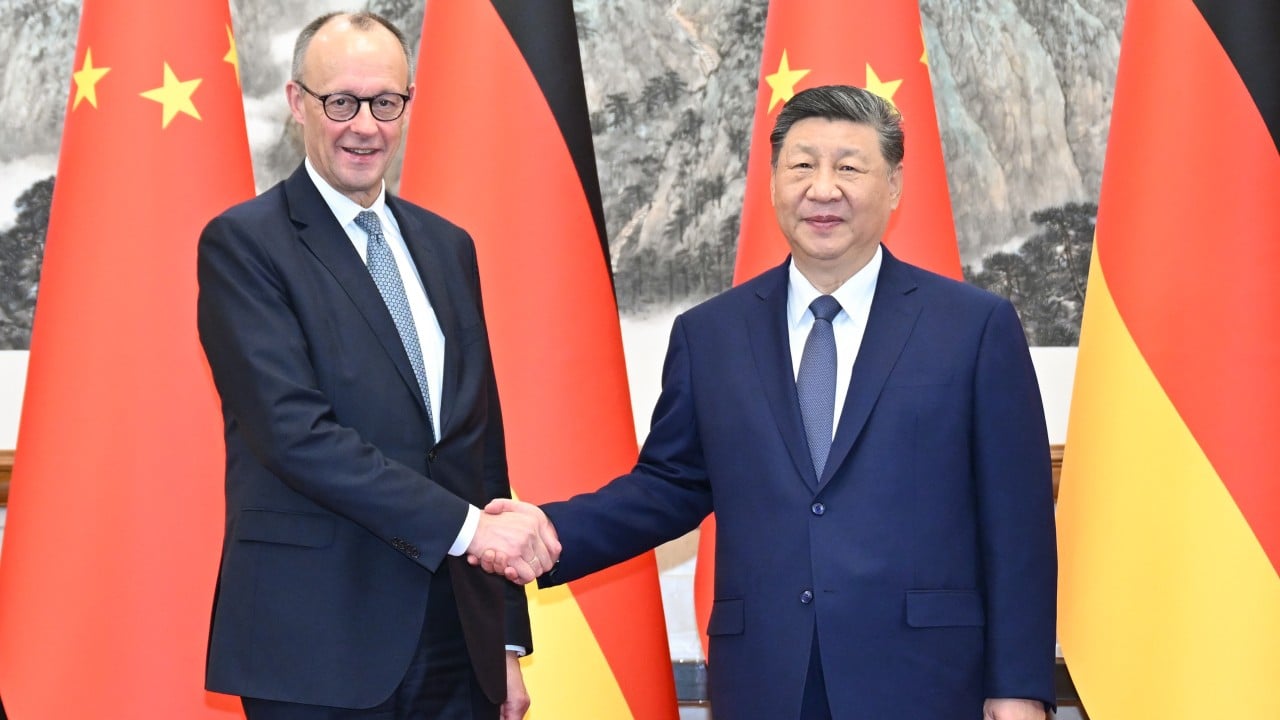
Germany's Chancellor Friedrich Merz visited Beijing to navigate a delicate balance between supporting German firms bullish on China and addressing concerns about Chinese subsidies, currency devaluation, and ties with Russia. During his first official visit, Merz emphasized the potential for resetting strained bilateral relations while advocating for fair trade practices and open markets. His meetings with Chinese Premier Li Qiang and President Xi Jinping yielded a joint statement, business deals, including a significant agreement for the purchase of Airbus planes, and promises of further cooperation.
The visit underscored the complex dynamics of Sino-German economic rivalry and partnership. Merz acknowledged the importance of Chinese investment in Germany while expressing concerns about unfair trade practices, such as subsidies and currency manipulation, which have strained relations. He also raised issues with China's stance on Russia, reflecting broader European worries about Beijing's foreign policy. Despite these tensions, Merz stressed his commitment to resolving disputes through dialogue rather than protectionist measures.
The outcomes of the meetings highlighted a pragmatic approach from both sides. A joint statement noted shared interests in sustainable development and green technology, while business discussions focused on expanding trade and investment opportunities. The announcement of potential large-scale purchases of Airbus planes by China signaled a mutual desire to strengthen economic ties. Merz also emphasized Germany's openness to Chinese investment in high-tech sectors, signaling a willingness to collaborate despite differences.
This visit matters because it reflects the broader challenges and opportunities in Sino-European relations. As global trade tensions rise, particularly over issues like semiconductor exports and green technology dominance, the outcome of Merz's trip sets a tone for future interactions between Europe and China. The balancing act Merz undertook—between addressing economic grievances and fostering cooperation—highlights the delicate diplomacy required to maintain a productive relationship amid competing interests.
The stakes are high for both sides. For Germany, maintaining access to the Chinese market is crucial for its export-driven economy, while China seeks to diversify its trade partnerships to reduce reliance on any single region. The discussions also touched on global issues like climate change and green energy, where Sino-German collaboration could play a significant role in shaping international policies.
In conclusion, Merz's visit was a diplomatic success, marked by cautious optimism and concrete steps toward strengthening economic ties while addressing underlying tensions. His approach—combining frank dialogue with a focus on mutual benefits—sets an example for navigating the complexities of Sino-European relations in a rapidly changing global economy.
Verticals
worldasia
Originally published on South China Morning Post on 2/26/2026