
Microsoft's AI PC beginner's guide demonstrates how convoluted its branding has become, but hey, at least 'AI is not here to replace you'
PC Gamer
by Andy Edser February 20, 2026
AI-Generated Deep Dive Summary
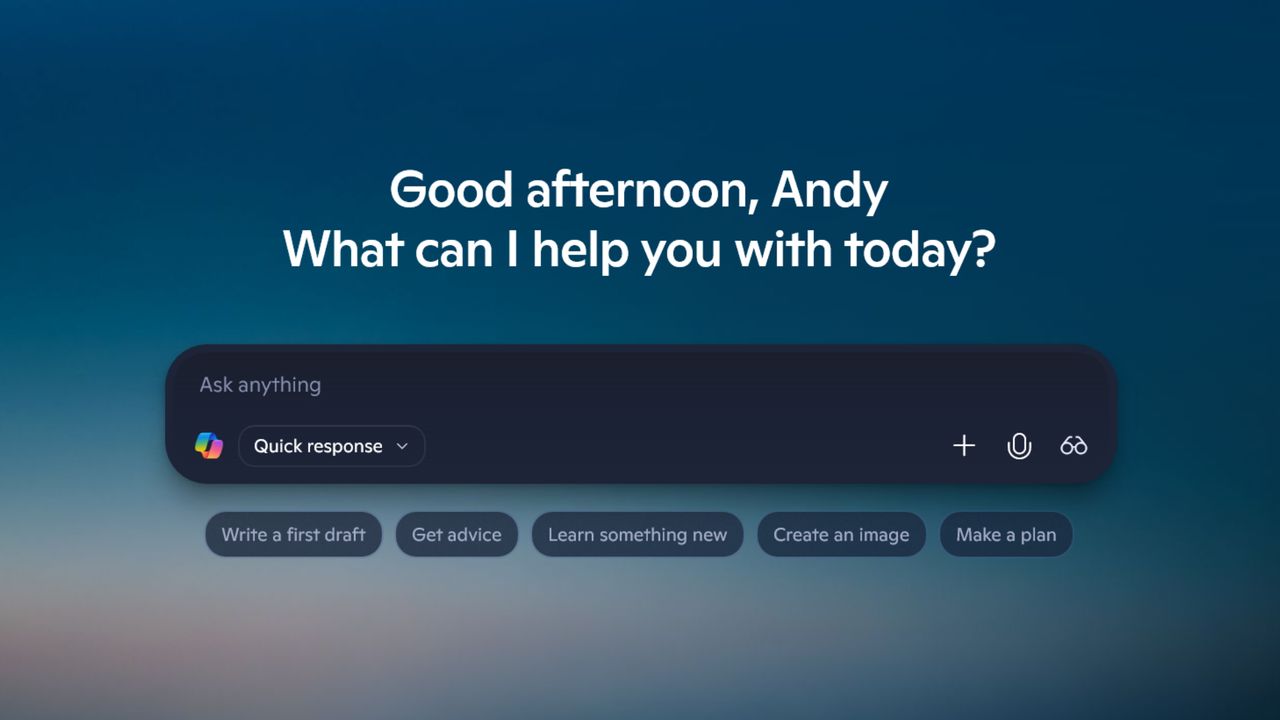
Microsoft’s recent attempt to clarify its definition of an "AI PC" has left many scratching their heads, even as they claim that every Windows 11 PC is already an AI PC. The company’s latest blog post aims to simplify the concept for beginners but ends up diving deep into technical details and branding nuances that may confuse non-experts. While Microsoft emphasizes that AI PCs are designed to run AI features locally on the device, rather than relying solely on cloud processing, the article also introduces new specifications for "Copilot+" PCs, which require advanced hardware like dedicated Neural Processing Units (NPUs) and specific chipsets.
The key takeaway is that an AI PC, as defined by Microsoft, is a machine built to handle artificial intelligence tasks directly on the device. This includes features like natural language processing, computer vision, and real-time recommendations, all designed to make everyday computing faster and more intuitive. While traditional PCs follow user commands, AI PCs are positioned as systems that anticipate needs, offering a more seamless experience. The article also assures users that AI is not meant to replace humans but to assist by streamlining tasks.
For those looking to enter the AI PC era, the blog provides clear guidance: prioritize devices with integrated AI architecture and a dedicated NPU for optimal performance. Copilot+ PCs, which meet these criteria, are highlighted as the most future-proof option, offering native AI tools that outperform third-party software. Gamers, in particular, may find interest in how AI features could enhance their experience, such as faster load times or smarter performance optimization.
Ultimately, while Microsoft’s attempt to define and categorize AI PCs is a step toward clarity, the complexity of its branding strategy leaves room for confusion. The article underscores the importance of hardware specifications like NPUs and compatible chipsets when shopping for an AI PC, ensuring users can enjoy the benefits of local AI processing without the need for constant cloud reliance. For those already invested in gaming or productivity, this could mean a more personalized and efficient computing experience tailored to their needs.
Verticals
gamingpc
Originally published on PC Gamer on 2/20/2026