
'Mobile phone shows time': UP govt cites SC ruling on loudspeakers for Ramzan announcements during night hours
Times of India
by TOI CITY DESKFebruary 20, 2026
AI-Generated Deep Dive Summary
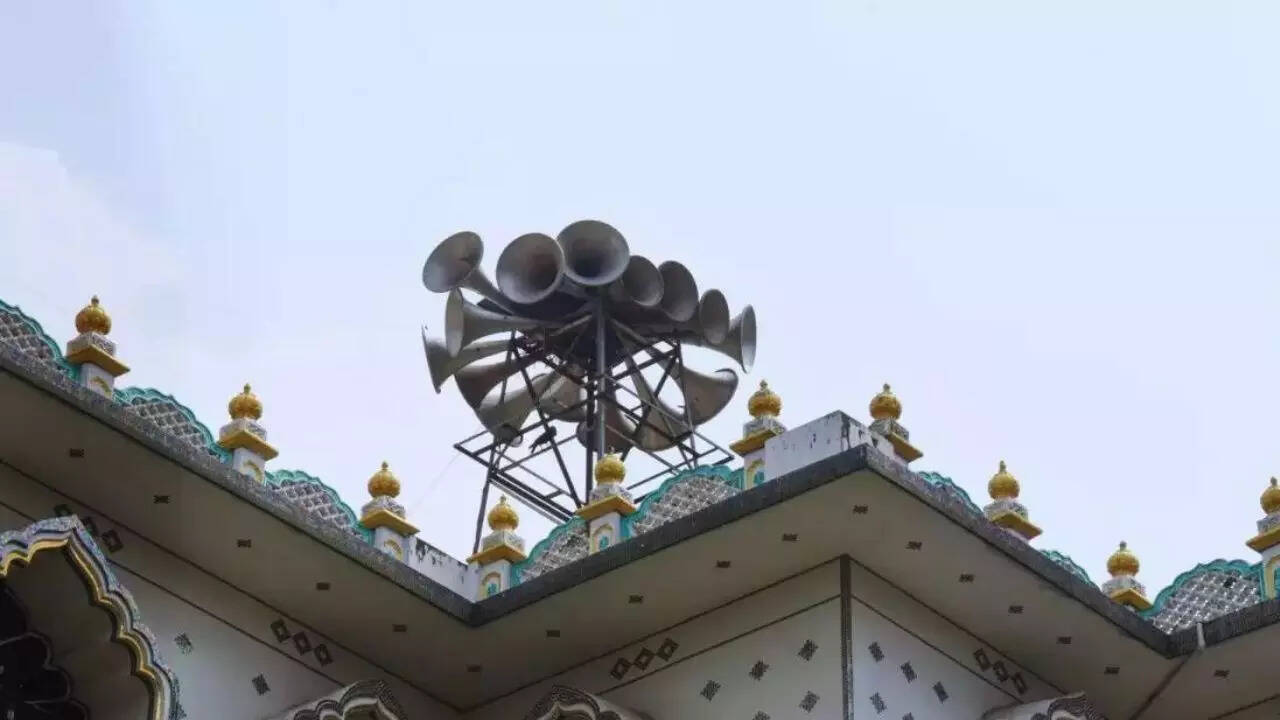
The Uttar Pradesh government has reaffirmed its commitment to following Supreme Court guidelines regarding the use of loudspeakers in mosques during Ramadan, despite calls from opposition leaders to relax restrictions for traditional announcements related to 'sehri' and 'iftar.' The issue was raised in the state Assembly by Samajwadi Party member Kamal Akhtar, who argued that festivals like Holi, Diwali, and Dussehra allow similar public celebrations, and mosques should be treated equally. He emphasized that brief announcements are traditionally made to inform people about prayer timings, especially during Ramadan, which began on Thursday.
In response, Finance and Parliamentary Affairs Minister Suresh Kumar Khanna cited a Supreme Court ruling that prohibits the use of loudspeakers between 10 pm and 6 am, except in enclosed spaces like auditoriums. He noted that even at weddings, loudspeaker usage is regulated to avoid disturbances. Khanna highlighted that modern technology, such as mobile phones, has made timekeeping accessible to everyone, rendering the traditional need for mosque announcements obsolete. He stressed that while the government respects religious practices, it must adhere to the SC's directive on sound restrictions.
Akhtar countered that the SC order pertains to sound levels, not the outright prohibition of loudspeakers, and urged the government to allow limited use during Ramadan to accommodate cultural and religious traditions. The debate underscores a broader tension between public noise regulations and the rights to religious expression, a matter of growing global interest as countries grapple with balancing secular laws with diverse cultural practices.
This issue resonates internationally as it reflects the challenges governments face in addressing the intersection of religion, culture, and public policy. While some may view the restrictions as infringing on religious freedoms, others see them as necessary to maintain public order and ensure equal treatment under the law. The outcome of this debate could set a precedent for similar disputes in other regions, making it a matter of significant global relevance.
Verticals
worldasia
Originally published on Times of India on 2/20/2026