
More scope for negotiation? What US SC tariff blow for Trump means for future of India’s trade deal
Times of India
by TOI BUSINESS DESKFebruary 23, 2026
AI-Generated Deep Dive Summary
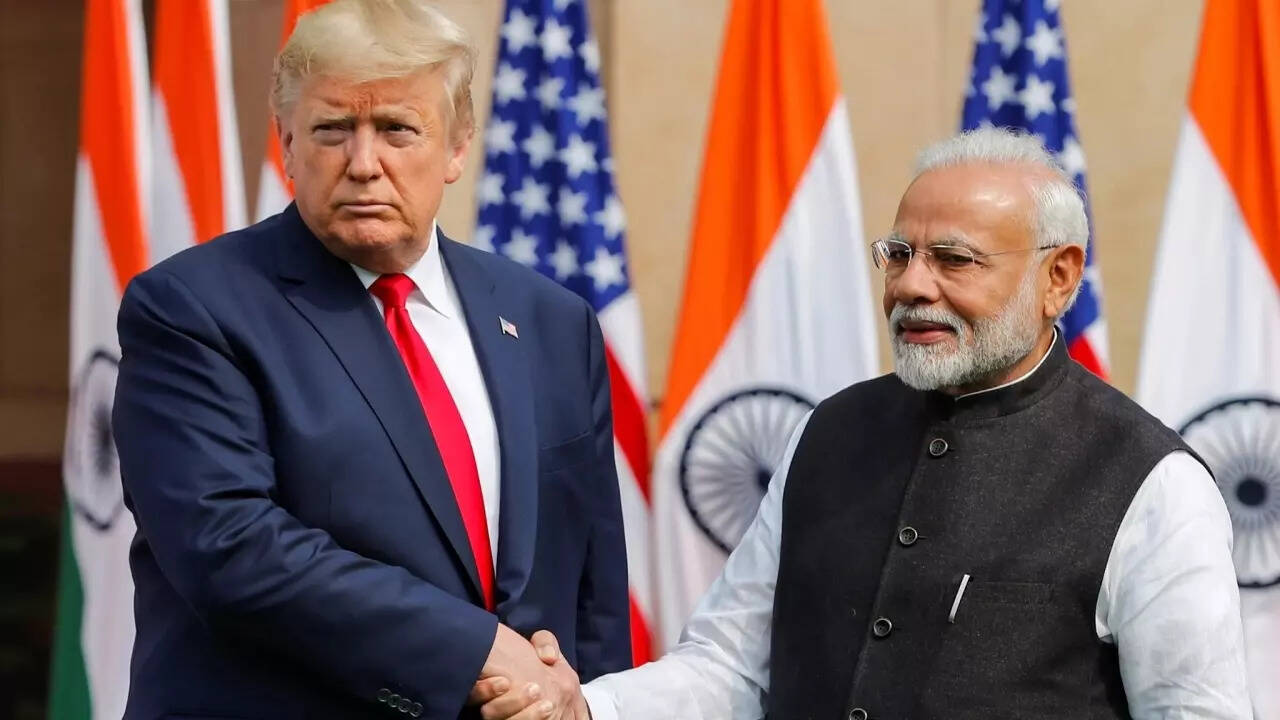
The US Supreme Court’s ruling invalidating President Donald Trump’s emergency tariffs has opened new avenues for India in ongoing trade negotiations with the United States. This decision has significantly weakened Trump’s leverage, as it was a key tool he used to pressure other countries during trade talks. Following the court’s verdict, an Indian delegation had planned to visit Washington to finalize an interim trade deal but ultimately postponed their trip. While India remains committed to the bilateral agreement reached earlier this month, the ruling has given them more room to negotiate terms that better protect their interests.
The two nations had previously agreed in February to reduce US tariffs on Indian exports from 50% to 18%, with India committing to purchasing $500 billion worth of American goods over five years. However, the Supreme Court’s decision has now cast doubt over Trump’s ability to enforce these terms. Analysts suggest that India may revisit elements of the trade deal, particularly in areas where they feel pressured by US demands, such as reducing imports of Russian oil. Although India has already scaled back its purchases of Russian crude oil, they maintain that their decisions are guided by domestic energy needs and market conditions.
Economists like Madhavi Arora of Emkay Global Financial Services note that the ruling reduces the pressure on India to make significant concessions in negotiations. This could allow India to push for improved terms without feeling compelled to yield to US demands. The ruling has also broader implications, with countries like China and Brazil poised to benefit from reduced tariffs on their exports to the United States. Bloomberg Economics estimates that Trump’s proposed 15% global tariff would result in an effective rate of around 12%, the lowest since the “Liberation Day” tariffs were introduced earlier this year.
Despite being among the first countries to engage in trade discussions with Washington, India faced some of the highest tariff rates. This highlights the challenges of negotiating with a US administration that has prioritized reducing trade deficits and protecting domestic industries. The ruling comes at a critical time for global trade dynamics, as it underscores the importance of judicial oversight in shaping international economic policies. For readers interested in world affairs, this development underscores how legal and political factors can reshape trade relationships between major economies.
Ultimately, the Supreme Court’s decision has shifted the balance of power in favor of India in their negotiations with the US. While
Verticals
worldasia
Originally published on Times of India on 2/23/2026