
Mosquitoes have been sucking our blood for 1.8 million years
Popular Science
by Andrew PaulFebruary 26, 2026
AI-Generated Deep Dive Summary
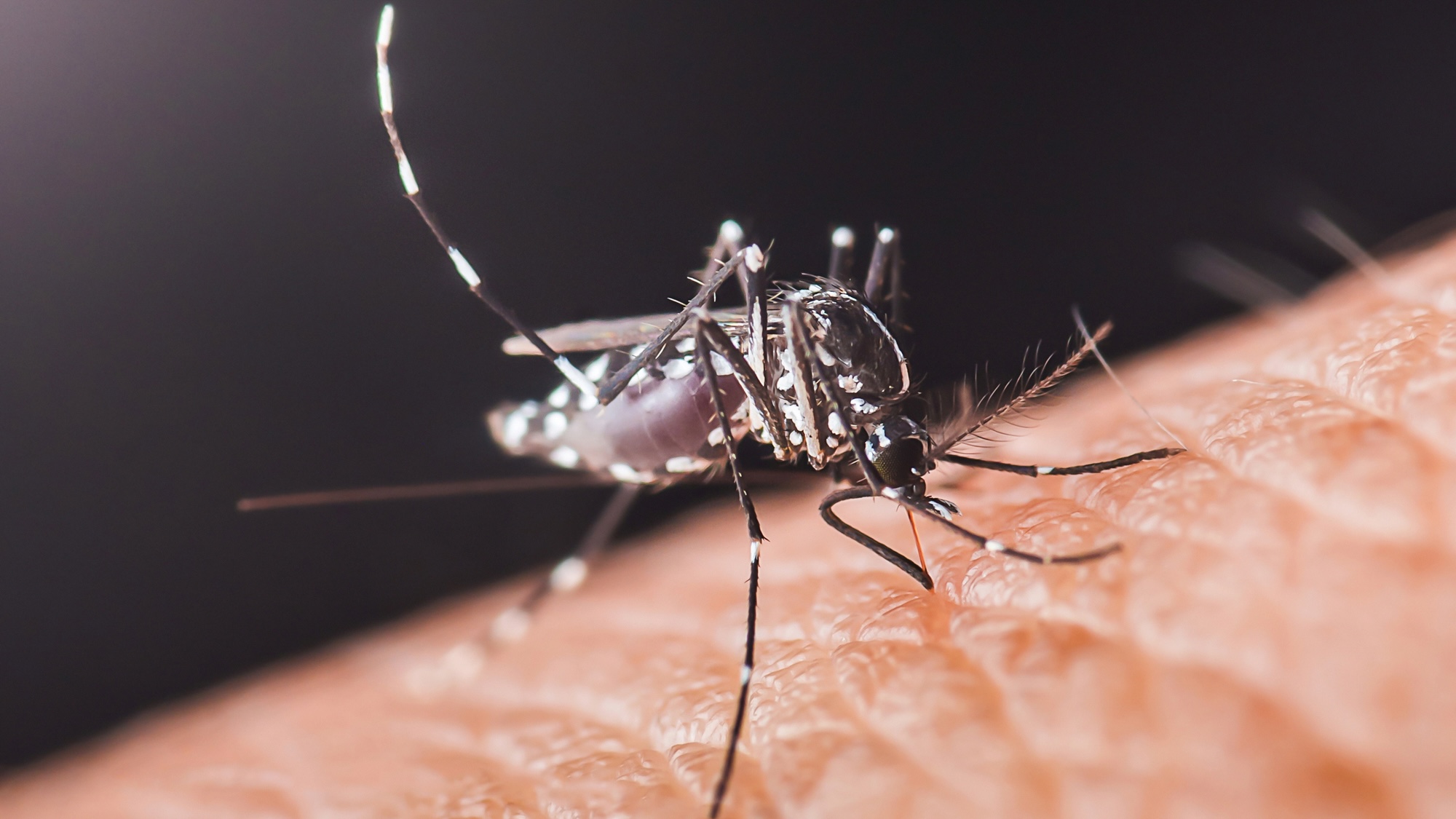
Mosquitoes have been feeding on human blood for approximately 1.8 million years, making them one of humanity's most lethal threats. These insects are responsible for spreading deadly diseases like malaria, which still kills over 600,000 people annually, as well as other illnesses such as West Nile virus and dengue fever. While not all mosquito species transmit these diseases, the Anopheles leucosphyrus group, specifically, has been the primary vector for malaria throughout history.
Recent genetic research reveals that mosquitoes developed a preference for human blood in Southeast Asia around 2.9 to 1.6 million years ago. This evolution occurred when early hominins, such as Homo erectus, migrated into the region, which includes areas like Borneo and Java. Before this shift, mosquitoes fed on other non-human primates. The study, published in *Scientific Reports*, analyzed DNA from 38 mosquito species collected over three decades across Southeast Asia, using computer models to trace their evolutionary history.
The findings challenge previous theories that suggested human blood-feeding behaviors in mosquitoes developed much later, between 509,000 and 61,000 years ago. This new evidence aligns with the earliest proposed arrival of Homo erectus in Sundaland (a region encompassing parts of Southeast Asia) about 1.8 million years ago. The adaptation likely involved mosquitoes evolving receptors to detect hominins' body odor, which required a stable population of early humans in the area.
Understanding mosquito evolution not only sheds light on disease transmission but also provides insights into early human migration and settlement patterns, particularly in regions with limited fossil records like Southeast Asia. This research highlights the interconnected history between humans and mosquitoes, emphasizing the importance of studying insect evolution alongside human development. By unraveling these ancient relationships, scientists can better understand how diseases have shaped—and continue to impact—human populations worldwide.
This discovery underscores the significance of mosquitoes as both a historical and contemporary threat to human health. Their ability to adapt and specialize in feeding on humans has made them
Verticals
sciencetech
Originally published on Popular Science on 2/26/2026