
NASA is guiding giant tortoises back to this island from extinction after 150 years
Times of India
by TOI LIFESTYLE DESKFebruary 22, 2026
AI-Generated Deep Dive Summary
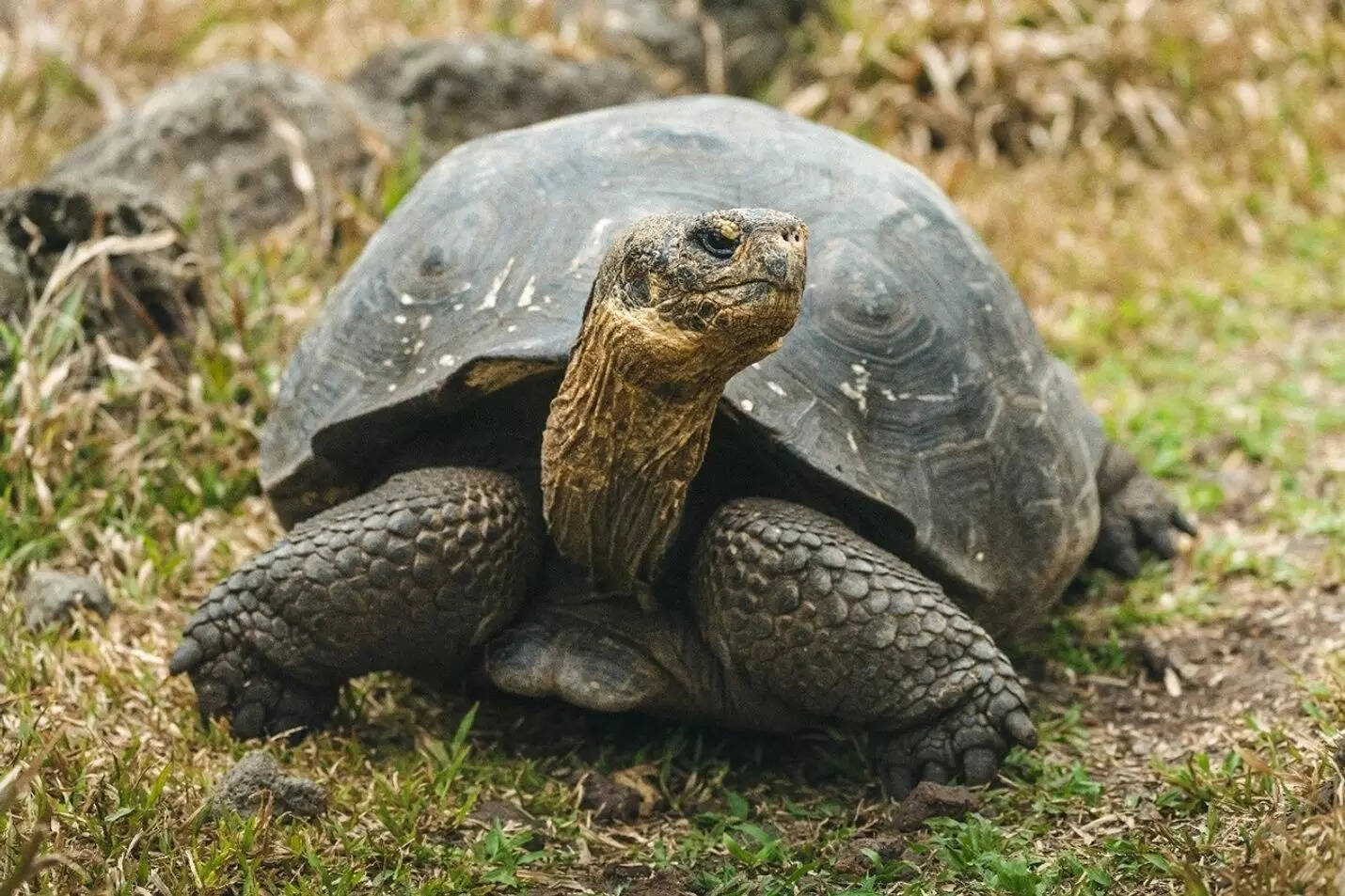
NASA is playing a pivotal role in reintroducing giant tortoises to Floreana Island after they vanished more than 150 years ago due to hunting and invasive species. The restoration effort, led by the Galápagos National Park Directorate and the Galápagos Conservancy, uses NASA's satellite data to identify optimal locations for the tortoises' release, ensuring their survival and ecosystem recovery. On February 20, 158 tortoises were released at two sites on the island as part of a broader plan to rebuild ecological processes disrupted by their absence.
The disappearance of giant tortoises from Floreana was caused by whalers hunting them for food in the mid-19th century and invasive species like pigs and rats preying on their eggs and hatchlings. Their absence has significantly altered the island's landscape, affecting plant patterns and reducing biodiversity. The reintroduction aims not only to restore a lost species but also to revive ecological processes that once shaped Floreana's environment.
The project gained momentum after researchers discovered tortoises with genetic links to the extinct Floreana lineage on Isabela Island in 2000. This discovery led to a breeding program, resulting in hundreds of tortoises raised in controlled conditions and now ready for release into the wild. NASA's satellite missions, such as Landsat and Terra, provide critical data on vegetation cover, rainfall patterns, and land surface temperature, helping scientists predict suitable habitats for long-term survival.
The Floreana Ecological Restoration Project also focuses on removing invasive species like rats and feral cats to create a safer environment for the tortoises. The goal is to reintroduce 12 native species to restore ecological balance. This effort highlights the importance of combining scientific research, conservation, and technology in preserving biodiversity and ecosystems.
This initiative underscores the global significance of ecological restoration and the role of organizations like NASA in addressing environmental challenges. By leveraging satellite data and long-term planning, the project demonstrates how science can help bring back species to their natural habitats, offering hope for similar efforts worldwide.
Verticals
worldasia
Originally published on Times of India on 2/22/2026