
NASA launches twin rocket missions from Alaska to study mysterious black auroras
Space.com
by Julian Dossett February 15, 2026
AI-Generated Deep Dive Summary
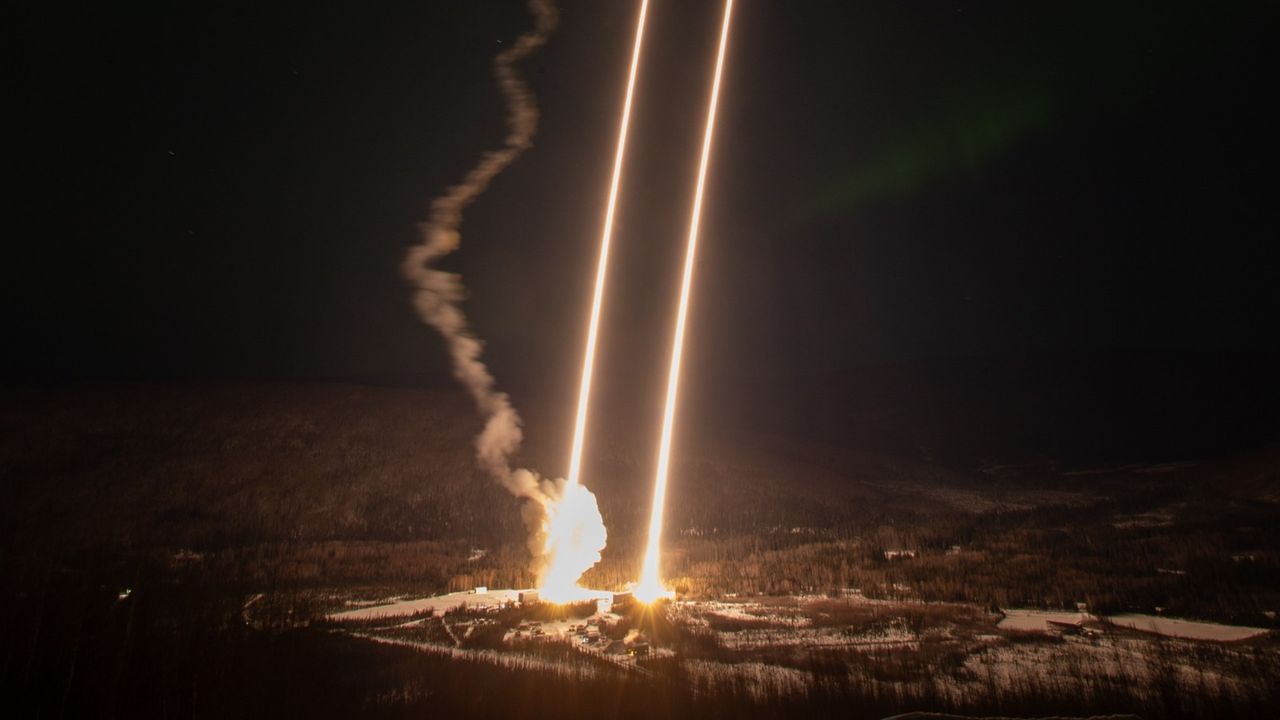
NASA launched two advanced rocket missions from Alaska's Poker Flat Research Range on Feb. 9 and 10 to investigate the electrical dynamics of auroras, focusing particularly on mysterious "black auroras" and the inner workings of these natural light displays. The Black and Diffuse Auroral Science Surveyor (BADASS) mission targeted black auroras, which occur when electrons flow upward into space instead of toward Earth, as is typical with regular auroras. Meanwhile, the Geophysical Non-Equilibrium Ionospheric System Science (GNEISS) mission aimed to create a 3D map of the electric currents within the aurora by deploying two sounding rockets.
The BADASS rocket reached an altitude of 224 miles, successfully gathering data on the electron stream reversal responsible for black auroras. Principal investigator Marilia Samara confirmed that the mission achieved its objectives and collected high-quality data to better understand this rare phenomenon. This research could provide insights into how such events affect Earth's magnetic environment.
The GNEISS mission, consisting of two rockets launched back-to-back on Feb. 10, focused on mapping the aurora's electrical currents. The rockets reached a peak altitude of 198 miles and used ground-based receivers to create a three-dimensional view of the plasma beneath the aurora, akin to performing a "
Verticals
spacescience
Originally published on Space.com on 2/15/2026