
Nasa ranks 2024 spacecraft mishap among its worst disasters
South China Morning Post
by Agence France-PresseFebruary 20, 2026
AI-Generated Deep Dive Summary
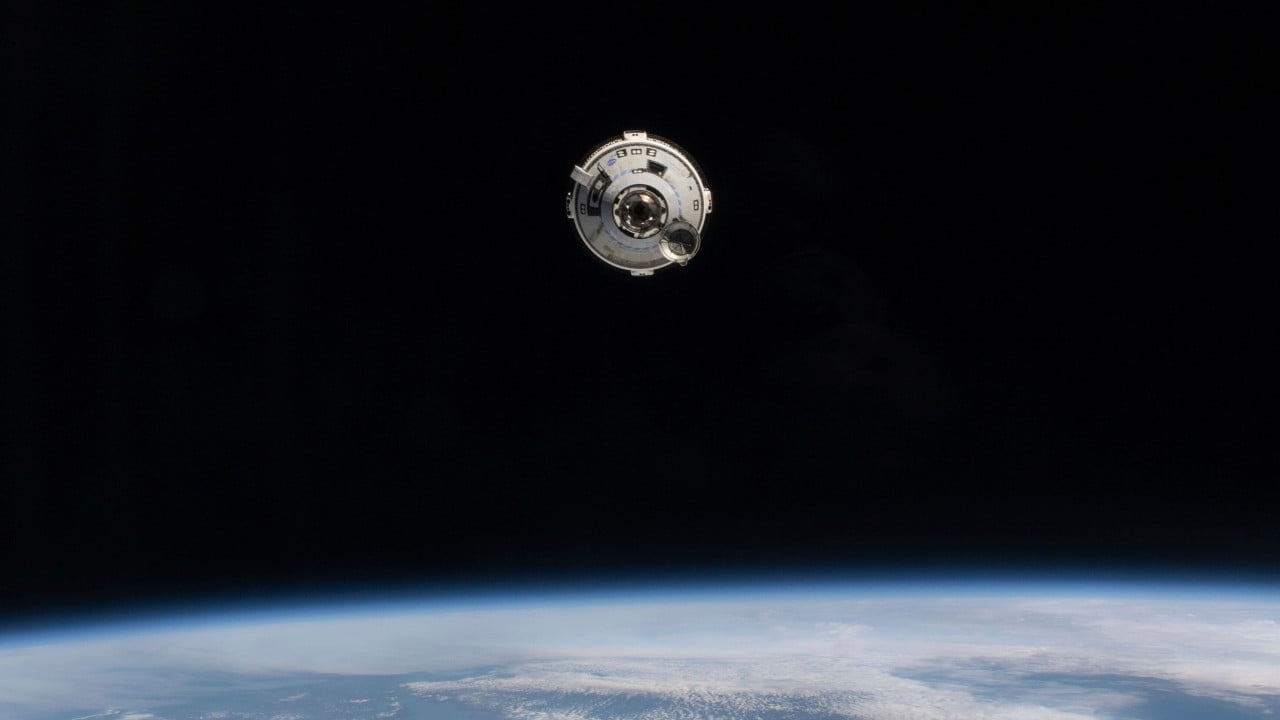
NASA has issued a scathing report labeling the 2024 Boeing Starliner test flight as a "Type A" mishap—a designation reserved for incidents with the potential for significant disaster, comparable to the fatal Challenger and Columbia shuttle accidents. The mission, which left two astronauts stranded on the International Space Station for nine months, was derailed by critical design flaws in the spacecraft and internal mismanagement within NASA. This outcome has raised serious concerns about the future of human spaceflight.
The investigation revealed that Boeing's Starliner suffered from "engineering vulnerabilities" that severely impacted its performance. These issues, combined with decision-making failures and leadership lapses within NASA, contributed to the botched mission. According to NASA Administrator Jared Isaacman, the agency must address not just technical deficiencies but also systemic cultural problems that could jeopardize future missions.
The stranded astronauts became a global focal point as their rescue effort stretched over nine months. The incident highlighted the risks of relying on commercial space companies like Boeing and underscored the importance of rigorous testing and accountability in human spaceflight. Isaacman emphasized that unchecked mismanagement could create a culture incompatible with the demands of space exploration, potentially leading to further tragedies.
This disaster has significant implications for international space efforts and public confidence in NASA's leadership. As the agency works to rectify its mistakes and hold Boeing accountable for its shortcomings, questions remain about whether these challenges can be overcome without compromising safety or progress in space exploration. The incident serves as a stark reminder of the high stakes involved in advancing human spaceflight.
Verticals
worldasia
Originally published on South China Morning Post on 2/20/2026