
NASA reveals the astronaut who required 1st medical evacuation from the International Space Station
Space.com
by Josh Dinner February 25, 2026
AI-Generated Deep Dive Summary
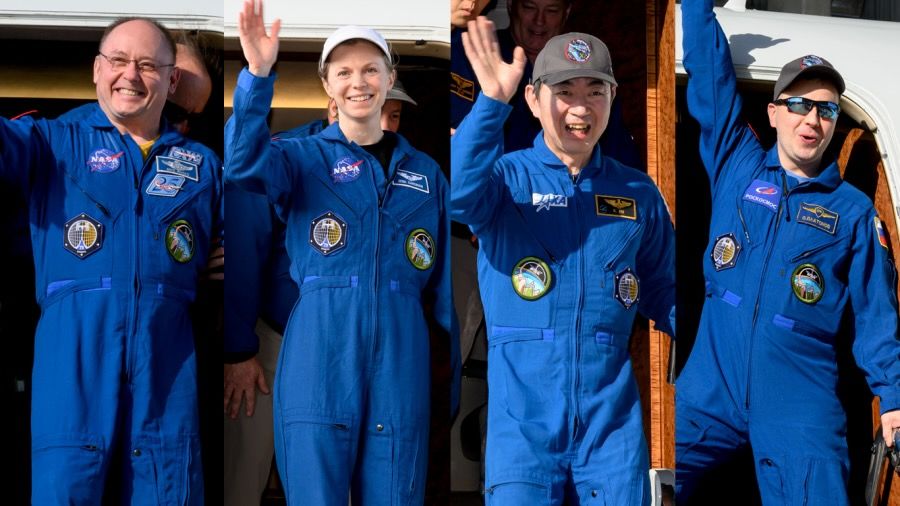
NASA has revealed that astronaut Mike Fincke was the first to require a medical evacuation from the International Space Station (ISS). During the Crew-11 mission, Fincke experienced an unspecified medical issue that necessitated immediate attention but was not classified as an emergency. This led to the early return of all four crew members—Fincke, Zena Cardman, Kimiya Yui, and Oleg Platonov—from the ISS on January 15, 2024, about a month ahead of schedule. The medical concern arose while Fincke and Cardman were preparing for a spacewalk, prompting NASA to end the mission early to address the issue on Earth.
The crew was transported back to Earth aboard SpaceX's Crew Dragon "Endeavour" and taken to Scripps Memorial Hospital La Jolla for treatment. Fincke has since recovered and is undergoing routine post-flight conditioning at NASA's Johnson Space Center in Houston. While the exact nature of his condition remains undisclosed, it emphasized the importance of having advanced medical capabilities on Earth when such issues arise during space missions.
The incident temporarily left a smaller crew of three astronauts—Chris Williams, Sergey Kud-Sverchkov, and Sergey Mikayev—onboard the ISS to continue essential research and maintain operations. This necessitated an accelerated launch for Crew-12, which departed February 13, ensuring the station returned to its regular complement of seven crew members.
This event highlights the challenges of maintaining astronaut health in space and the need for contingency plans when medical issues arise. It underscores NASA's commitment to prioritizing crew safety while balancing mission objectives. Such incidents also serve as reminders of the physical and psychological demands of long-term space travel, which are critical considerations for future missions, including Artemis and potential human exploration beyond low Earth orbit.
Verticals
spacescience
Originally published on Space.com on 2/25/2026