
‘Non-earning doesn’t mean idle’: Delhi High Court affirms value of homemaker’s work; grants maintenance
Times of India
by TOI NEWS DESKFebruary 23, 2026
AI-Generated Deep Dive Summary
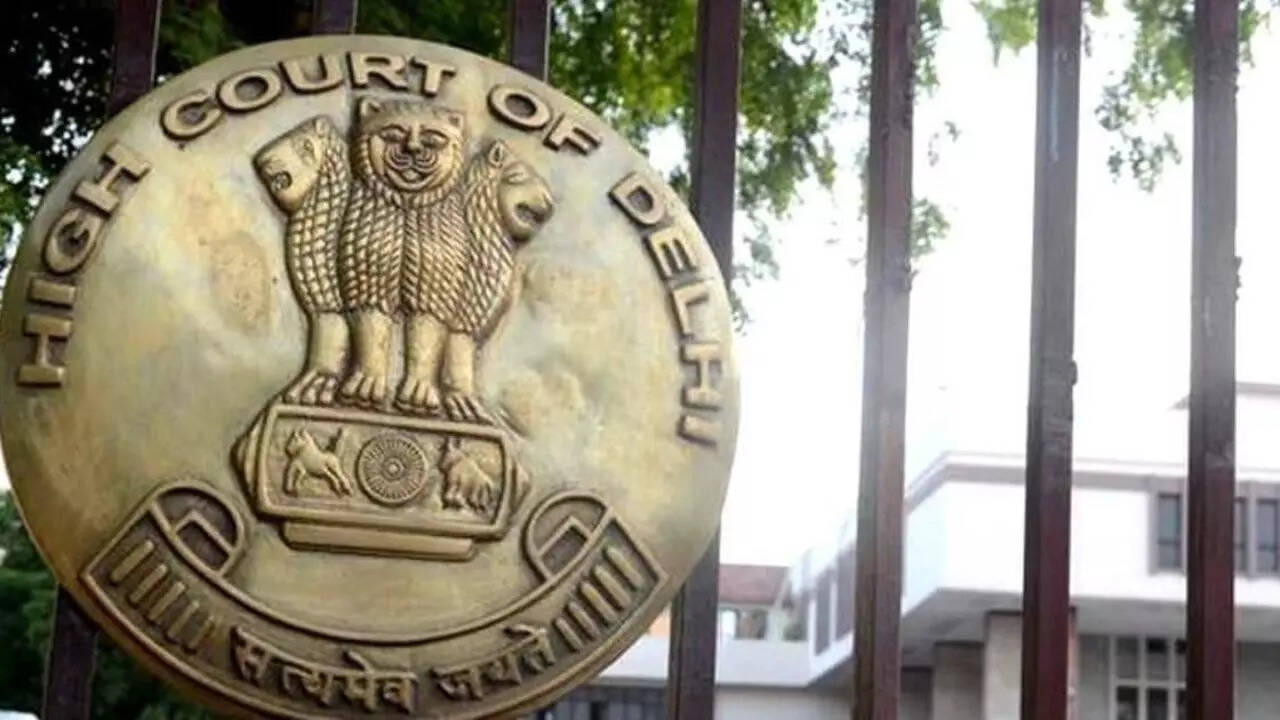
The Delhi High Court has ruled that the work of homemakers should be recognized and valued, granting maintenance to an estranged wife under the Protection of Women from Domestic Violence Act. The court rejected the notion that a non-earning spouse is idle, emphasizing the significant yet often overlooked contributions homemakers make to family life. These include managing households, caring for children, supporting their spouse’s career, and adapting to frequent relocations.
The case arose after a magisterial court denied interim maintenance to the woman, arguing she was capable of working but had chosen not to. The High Court clarified that having the ability to earn does not justify withholding maintenance. It highlighted the unpaid yet vital work homemakers perform, which often goes unrecognized and unacknowledged in financial terms.
The court also acknowledged societal pressures on women to leave their careers after marriage and the challenges they face re-entering the workforce later. It awarded Rs 50,000 to the wife, finding no evidence of her current or past employment. This ruling underscores the need for legal systems to recognize the economic value of domestic labor and ensure fair treatment for homemakers in disputes.
This decision matters globally as it challenges stereotypes about gender roles and unpaid work. It highlights the importance of valuing caregiving and household contributions, which are often invisible yet essential to family well-being. The case sets a precedent for courts worldwide to consider such factors when determining maintenance or alimony, promoting greater equity in marital relationships.
The ruling reflects growing international efforts to combat gender-based discrimination and promote women’s rights. By acknowledging the worth of homemakers' labor, the Delhi High Court has taken a significant step toward achieving gender equality in legal matters. This case not only benefits individual families but also contributes to broader societal progress by redefining traditional notions of work and value.
Verticals
worldasia
Originally published on Times of India on 2/23/2026