
Obstacle Avoidance: What is it, how to use it effectively and when it might fail
Space.com
by James Abbott February 24, 2026
AI-Generated Deep Dive Summary
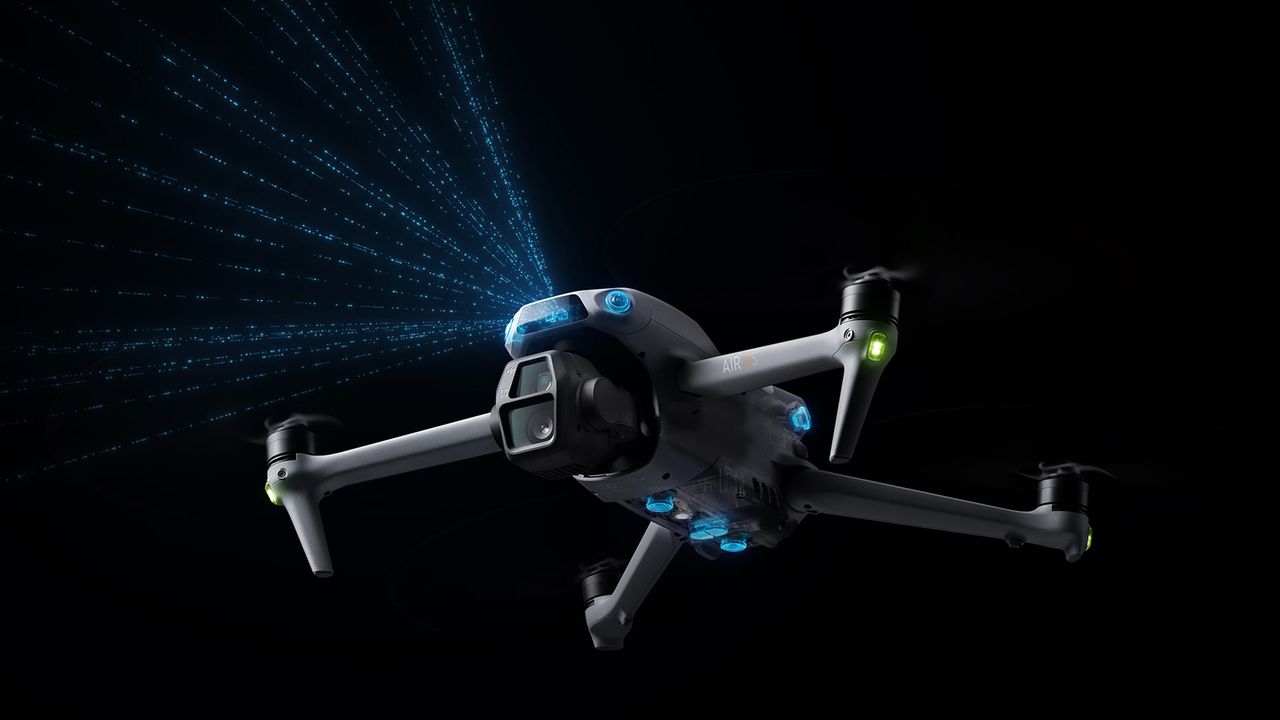
Obstacle Avoidance (OA) is a cutting-edge feature in advanced drones, particularly DJI models like the Mavic 4 Pro and Air series, designed to prevent collisions by detecting and navigating around obstacles. While it significantly enhances safety during flight, it’s crucial to note that OA isn’t foolproof. Errors can occur due to sensor limitations, especially in complex or low-light environments, meaning pilots should always exercise caution and not solely rely on this feature.
DJI drones equipped with OA use a combination of six vision sensors and an infrared time-of-flight (ToF) sensor to detect obstacles from as close as 20 inches to up to 98 feet. This system employs binocular vision, providing 360-degree obstacle detection, and alerts pilots through visual and audio warnings in the DJI Fly app. The feature offers different modes: Brake, which halts the drone upon detecting an obstacle; Normal Bypass, allowing the drone to navigate around obstacles safely; and Nifty Bypass, enabling more subtle adjustments but with a higher collision risk
Verticals
spacescience
Originally published on Space.com on 2/24/2026