
Once isolated, this remote part of Greece is now accessible
Sydney Morning Herald
by Kate ArmstrongFebruary 13, 2026
AI-Generated Deep Dive Summary
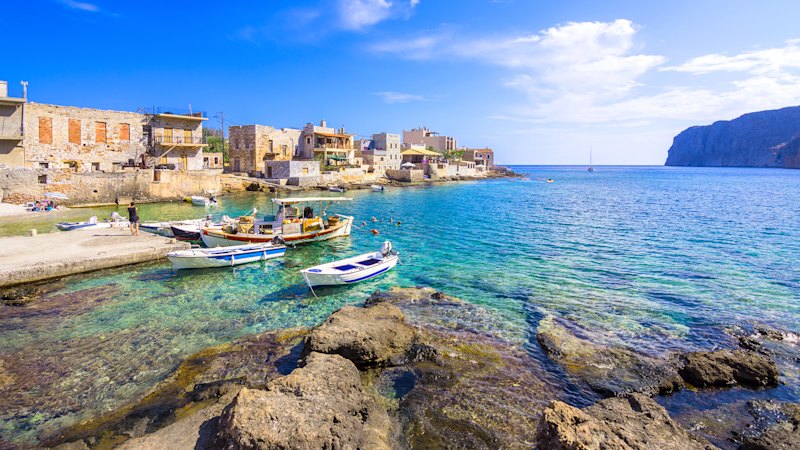
Once an isolated and inaccessible region of Greece, the Mani area—situated at the southernmost tip of the Peloponnese peninsula—is now more accessible than ever before. Known as the "middle finger" of three peninsulas extending from the mainland, this remote area has captivated visitors with its rugged landscapes, ancient ruins, and untouched natural beauty. The region’s history is deeply tied to its isolation, with British writer Patrick Leigh Fermor famously describing it as a place he never wanted to leave after exploring it in the mid-20th century. While the Mani remains remote, recent improvements in infrastructure have made it easier for travelers to discover its hidden gems.
The Mani’s landscape is a blend of towering cliffs, crystal-clear waters, and Byzantine-era structures. The area is dotted with abandoned towers built by rival clans during the 17th to 19th centuries, as well as numerous small churches that hint at the region’s rich history. Visitors can explore winding roads that lead to hidden coves, Byzantine chapels, and ancient Roman mosaics. The region’s natural beauty is equally captivating, with pebbled beaches, arid hillsides blanketed in wildflowers, and dramatic coastal vistas.
For travelers seeking an authentic Greek experience, the Mani offers a unique opportunity to step away from the well-trodden tourist paths. Villages like Areopoli and Vathia provide a glimpse into traditional life, while nearby attractions such as the Diros Caves and Cape Tainaron offer stunning natural wonders. The region’s charm lies in its ability to transport visitors back in time, with many of its landmarks untouched by modern development.
Exploring the Mani is an adventure that caters to both history enthusiasts and nature lovers.
Verticals
worldaustralia
Originally published on Sydney Morning Herald on 2/13/2026