
Open Questions | Abraham Newman on ‘weaponised interdependence’ in ‘neo‑royalist’ Trump era
South China Morning Post
by Meredith ChenFebruary 22, 2026
AI-Generated Deep Dive Summary
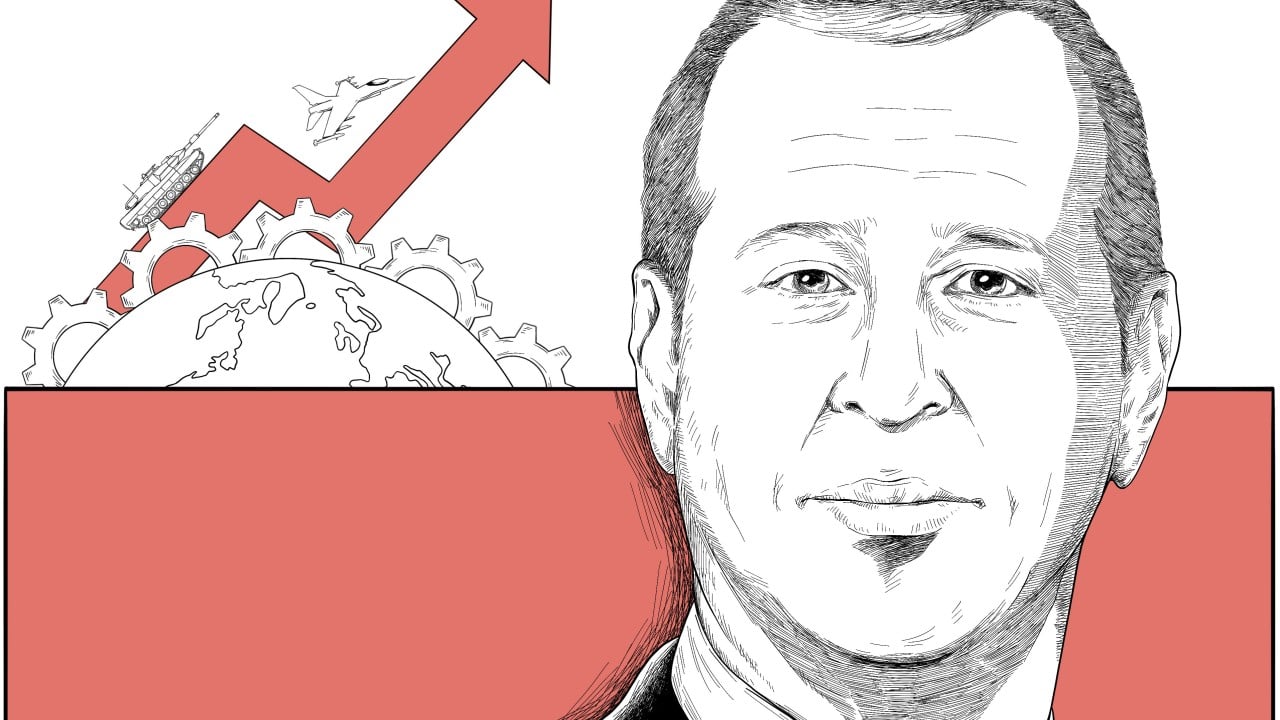
Abraham Newman, a political scientist at Georgetown University, explores the concept of "weaponised interdependence" in his recent work, arguing that globalisation has created highly centralised economic networks that states can exploit for power and control. In an era where traditional notions of decentralised globalisation have been challenged by rising geopolitical rivalries, Newman highlights how major powers like the US leverage these interconnected systems to exert influence. This shift marks a departure from the earlier perception of globalisation as a decentralising force, instead revealing a world where economic interdependence has become a tool for coercion.
Newman and co-author Henry Farrell illustrate this through examples such as the iPhone supply chain, dominated by a few key players like TSMC or Samsung, and global financial transactions routed through major banks. These networks, while appearing to offer decentralised benefits, are in fact concentrated in control points that states can target. Newman argues that this centralisation has allowed nations to weaponise interdependence, using it to monitor adversaries, disrupt supply chains, or isolate opponents from critical economic systems.
This dynamic has profound implications for global politics, particularly during the "neo-royalist" Trump era. As major powers increasingly view economic networks as instruments of state power, the concept of weaponised interdependence reflects a shift from the liberal ideals of free markets to one where markets are shaped by vulnerability and strategic control. Newman’s analysis underscores how this evolution challenges traditional notions of globalisation and highlights the growing importance of understanding these interconnected yet fragile systems in shaping international relations today.
Verticals
worldasia
Originally published on South China Morning Post on 2/22/2026