
'Operated from behind the scene': Delhi court on Youth Congress chief Uday Bhanu Chib in AI summit protest case
Times of India
by KOUSHIKI SAHAFebruary 24, 2026
AI-Generated Deep Dive Summary
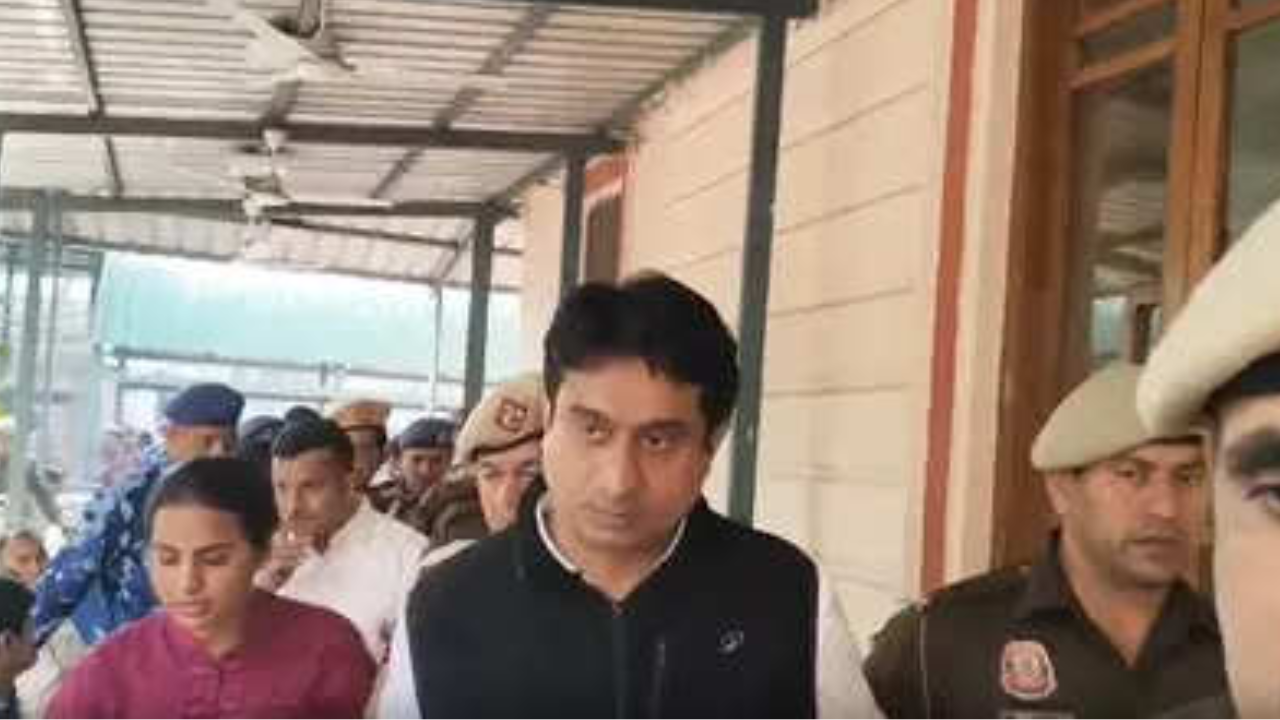
Delhi court has sent Youth Congress president Uday Bhanu Chib to police custody for four days, accusing him of being the "mastermind" behind a shirtless protest at the India AI Impact Summit in February 2023. The Delhi Police alleged that Chib orchestrated anti-national slogans and attempted to create a riot-like situation during the protest. While the police sought seven days to interrogate him, the court ruled this period excessive, granting custody until February 28.
The court emphasized that prolonged police custody cannot be justified solely on grounds of "sovereignty of the State" or "national security." It stated that Chib should be allowed to meet his counsel during questioning, as permitted by law. Additionally, the court granted Chib access to the FIR copy, rejecting the police's claim that it was a sensitive matter. The judge noted that withholding the FIR violated legal safeguards and could prejudice the defense.
Public Prosecutor Atul Srivastav argued that Chib, though not physically present at the protest, played a central role in planning and monitoring the event through communication with co-conspirators. He claimed custodial interrogation was necessary to uncover digital evidence, trace funding for the protest, and recover additional material. The court agreed, stating that Chib's role as a "behind-the-scenes operator" made him a key figure in the conspiracy.
The AI Impact Summit protest involved men wearing T-shirts with images of Prime Minister Narendra Modi and US President Donald Trump, along with slogans against the government and the India-US trade deal. Delhi Police alleged that Chib conspired with others to obstruct police officials and create chaos during the event.
This case highlights tensions between free speech and public order in India. It also raises questions about the role of political leaders in protests, even if they are not physically present. The court's decision to limit custody while allowing interrogation reflects a balance between investigative needs and individual rights, setting a legal precedent for similar cases.
Verticals
worldasia
Originally published on Times of India on 2/24/2026