
Opinion | China seeks to cultivate a food supply immune to geopolitical shocks
South China Morning Post
by Genevieve Donnellon-MayFebruary 22, 2026
AI-Generated Deep Dive Summary
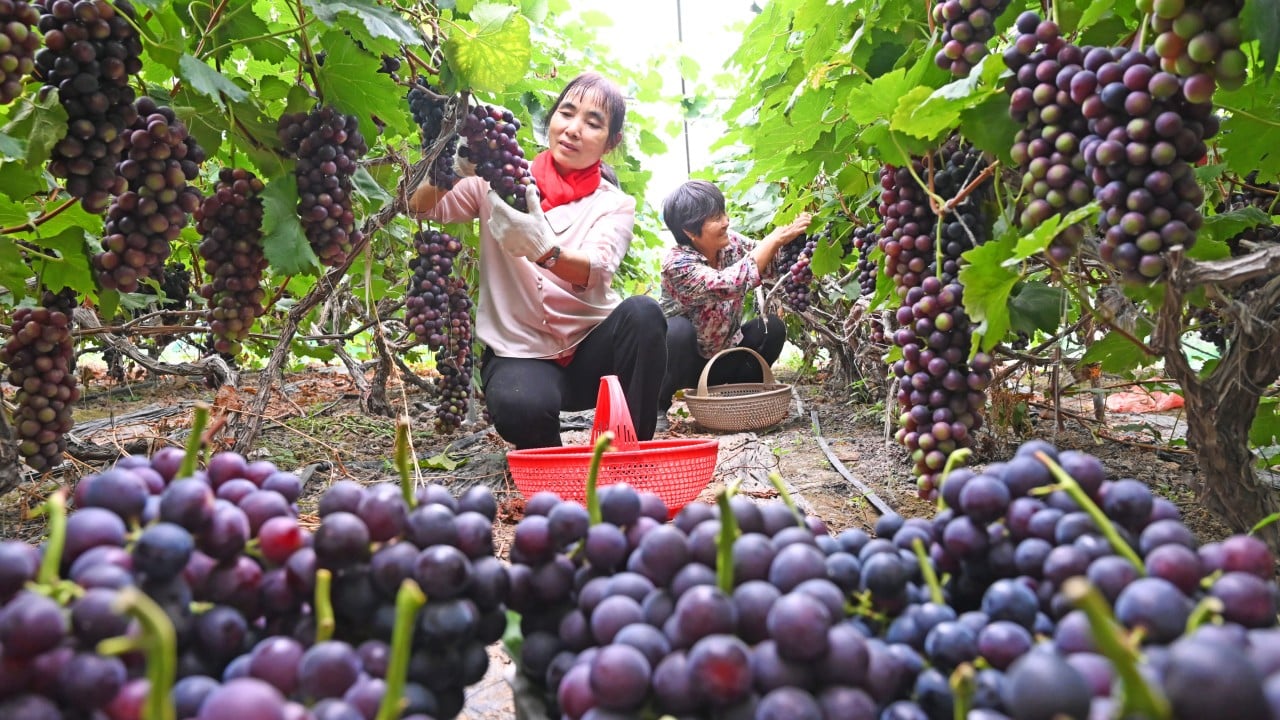
China is shifting its agricultural strategy to ensure food security amid growing geopolitical tensions and climate change threats. The country’s 2026 "No. 1 document," released by the Communist Party of China and State Council, emphasizes national security, technological self-reliance, and agricultural resilience as central goals. This policy aims to stabilize food production, enhance disaster resistance, and diversify imports to reduce reliance on any single country or region. By expanding high-standard farmland, advancing biotechnology, and addressing labor shortages, Beijing is working to create a more efficient and sustainable agricultural system.
Food security has long been a top priority for China, given its massive population of 1.4 billion people. The government maintains self-sufficiency in staple foods like rice and pork while relying on global markets for non-staples such as soybeans. However, the country faces significant challenges, including limited arable land, water scarcity, soil degradation, and a aging agricultural workforce. These factors, compounded by climate change and shifting diets, make it an uphill battle to ensure food stability.
The new policy reflects Beijing’s recognition of the risks posed by over-reliance on imports and vulnerable supply chains. By diversifying sources and investing in agricultural innovation, China aims to insulate its food supply from geopolitical shocks and market disruptions. This strategic shift could have far-reaching implications for global trade patterns, potentially scrambling markets across the Americas and Southeast Asia.
The policy’s emphasis on technological advancement and sustainability aligns with global trends toward resilient agriculture. By prioritizing biotechnology and disaster resilience, China is not only addressing immediate food security concerns but also positioning itself as a leader in innovative farming practices. This focus on efficiency and quality could reshape global agricultural markets and set new standards for food production and trade.
In an increasingly uncertain world, where geopolitical tensions and climate change threaten food supplies, China’s strategic pivot toward self-reliance signals a broader recognition of the fragility
Verticals
worldasia
Originally published on South China Morning Post on 2/22/2026