
Opinion | Despite Supreme Court ruling, Trump has legal cards for tariffs in hand
South China Morning Post
by James David SpellmanFebruary 24, 2026
AI-Generated Deep Dive Summary
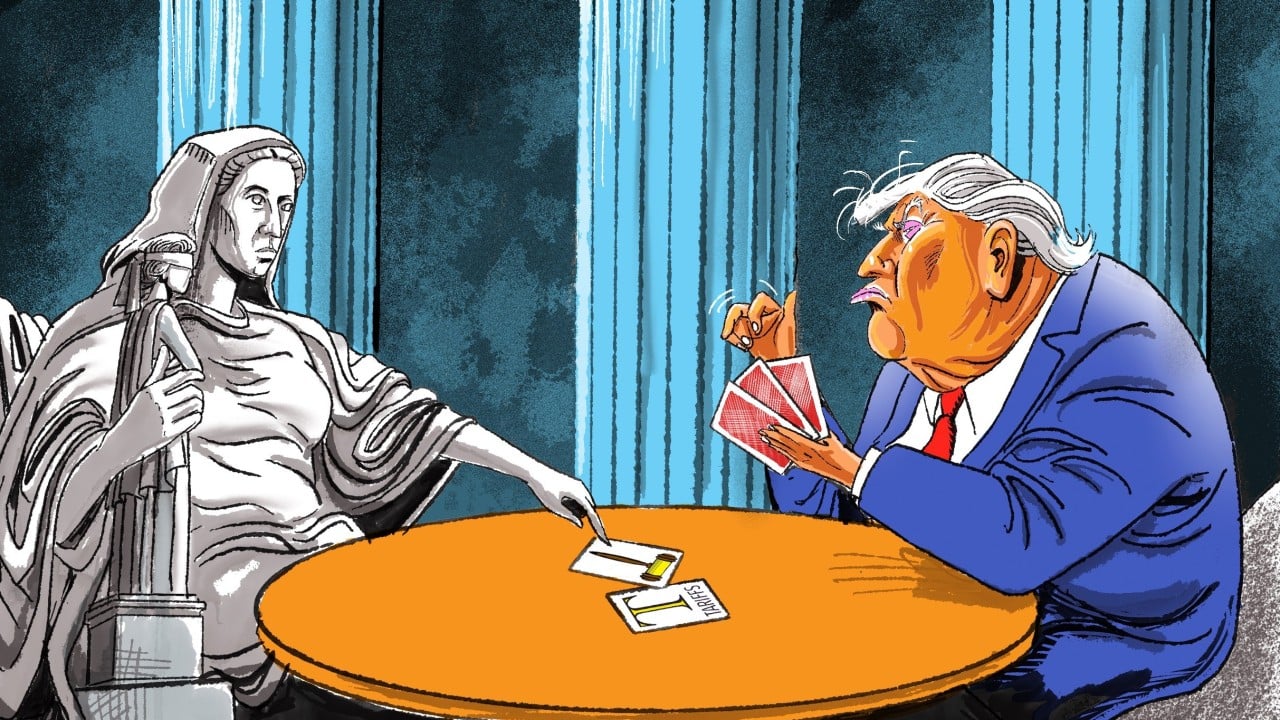
The U.S. Supreme Court’s recent ruling has significantly curtailed President Donald Trump’s ability to impose tariffs using the International Emergency Economic Powers Act (IEEPA). The court determined that IEEPA does not grant presidential authority to levy tariffs, reaffirming Congress’s exclusive constitutional power over taxation, including tariffs. This decision marks a major legal setback for Trump’s trade policies, which have long been a cornerstone of his economic agenda. Despite this ruling, Trump has turned to alternative legal tools to maintain his protectionist approach. He announced new tariffs under Section 122 of the Trade Act of 1974, raising import duties from 10% to 15%, effectively circumventing the IEEPA limitations.
The use of Section 122 is a novel strategy for Trump, as it has never been tested in court. This statute allows the president to impose temporary import surcharges of up to 15% if deemed necessary to address significant balance-of-payments deficits and prevent U.S. dollar depreciation. Unlike IEEPA, Section 122 requires no formal inter-agency process or investigation, giving Trump greater flexibility to act swiftly. However, this move has raised concerns among U.S. trading partners, particularly in Asia and Europe, who are now reassessing their trade strategies. The European Parliament has even suspended work on a key trade deal with the U.S., signaling growing international uncertainty.
The ruling and subsequent actions have deepened global trade tensions, with financial markets reacting negatively. Stocks and the dollar fell,
Verticals
worldasia
Originally published on South China Morning Post on 2/24/2026